Vincent ShakirNovember 24, 20264 Mins read25

Truck Automation: A New Look at Hidden Safety Risks
Federal safety officials want to learn more about a potential risk linked to truck automation and similar systems in other vehicles. As vehicles take on more driving tasks, drivers may become less ready to take control. This could raise new safety concerns for commercial truck drivers.
The National Highway Traffic Safety Administration (NHTSA) wants to study how drivers sit while using these systems. The agency also wants to learn how body position affects a driver’s ability to take control of a vehicle. The findings could help shape future safety features and truck driver training programs.
The Federal Register notice was filed on November 24, 2026. It is set for publication on November 25.
Federal Study Could Help Shape Truck Automation Safety
Level 2 (L2) driving automation allows a vehicle to control both speed and steering. These systems can reduce the amount of work a driver must do behind the wheel. However, drivers must still watch the road and be ready to take control.
NHTSA notes that these systems may help improve safety. Yet, they may also create new risks. Some systems may struggle with certain road and traffic conditions. Drivers may also place too much trust in the technology.
These concerns are worth noting for long-haul truck drivers. Many spend hours each day on open highways. Long periods of driving with less need for driver input could affect how alert and ready a driver remains.
Driver Body Position Could Affect Safety
Many road safety studies focus on where drivers look while driving. NHTSA now wants to take a closer look at how drivers sit. The agency wants to find out if certain body positions make it harder to take control of a vehicle.
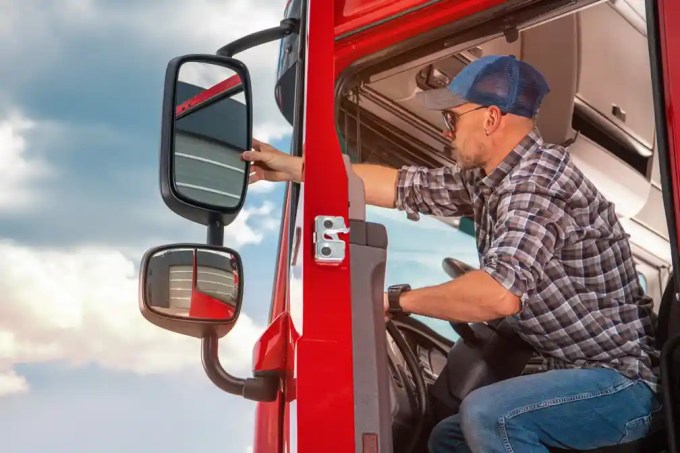
Drivers normally use their hands and feet to steer, speed up and slow down. When a vehicle performs these tasks, a driver may change the way they sit. They may lean back, slouch or even cross their legs.
These changes could make it harder to reach the wheel or brake pedal quickly. A driver may be watching the road but still need more time to react. For a truck driver, even a short delay could be a safety concern when traffic comes to a sudden stop.
How NHTSA Plans to Conduct the Study
The proposed study will involve up to 2,780 licensed adult drivers. Most will take part in an online survey. A small group will take part in tests using a driving simulator.
The study will include:
- 1,650 drivers who closely reflect the general U.S. population.
- 1,100 more drivers who use vehicles with Level 2 features.
- 30 drivers who will take part in driving simulator tests.
Each of the 30 drivers will complete four test drives. They will sit in different positions during the tests. At certain points, they will need to take back control of the vehicle.
The tests will take place on simulated highways. Most of the drives will involve simple road and traffic conditions. Researchers will also give drivers mental tasks to draw some of their focus away from the road. The goal is to learn how well drivers respond when the system reaches its limits.
Truck Automation Is Already Part of the Industry
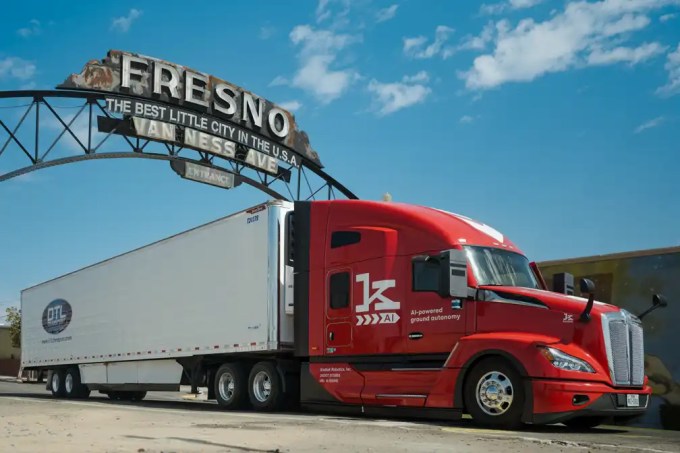
Some heavy-duty trucks already use technology that helps drivers steer and control their speed. These features can also help trucks stay in their lanes and maintain a safe distance from other vehicles.
In 2019, Daimler Trucks North America introduced Level 2 driving automation on the Freightliner Cascadia. The system combined cruise control that adjusts to traffic with steering assistance. These features help drivers perform certain tasks but do not replace the need for a truck driver.
Truck drivers must still watch the road and respond to hazards. NHTSA has also looked at other risks tied to advanced truck safety systems. The proposed study could help truck makers and fleet safety teams find ways to make these tools safer.
Earlier Research Raises Safety Questions
NHTSA points to a study released in July 2024 by the Insurance Institute for Highway Safety (IIHS) and the Highway Loss Data Institute (HLDI). The study looked at the safety benefits of partial driving automation in certain passenger vehicles.
Researchers found little evidence that partial automation helped prevent more crashes than existing crash prevention features alone. That does not mean all driver safety systems fail to prevent crashes. However, the findings raise questions about the added safety benefits of these systems.
Federal officials have also taken steps to track safety risks through crash reporting for automated vehicles. More research could help explain how drivers use these tools and what risks may arise. The findings could also offer useful insight for the trucking industry.
Truck Automation and Future Driver Monitoring
The NHTSA study could help shape future driver monitoring systems. Some driver-facing systems already track where a driver is looking. Future systems could also place more focus on how a driver sits behind the wheel.
NHTSA has also announced plans to study how well these tools detect driver fatigue. Meanwhile, the American Transportation Research Institute (ATRI) has launched a separate study on the safety benefits of driver-facing cameras. These efforts could help the trucking industry better understand the role of in-cab safety tools.
Truck makers may find ways to help drivers stay in positions that allow them to take control quickly. Fleets could also use the findings to improve driver training and safety rules. Owner-operators may find the results helpful when choosing new trucks or safety features.
For now, NHTSA has not proposed any new rules for driver monitoring. The notice does not require truck drivers or fleets to install new equipment.
Important Questions for Commercial Truck Drivers
The proposed study has some limits that are worth noting. It focuses on the general driving public rather than commercial truck drivers. Also, only 30 people will take part in the simulator tests.
Truck drivers face different challenges than most passenger vehicle drivers. They spend long hours on the road and must control much larger and heavier vehicles. More research may be needed to learn how the findings apply to commercial trucks.
NHTSA Seeks Public Comments
NHTSA plans to seek federal approval before moving forward with the study. The agency will allow 60 days for public comments. Truck drivers, motor carriers and trucking groups can share their views through Regulations.gov using docket number NHTSA-2026-0299.
The notice does not change any current trucking rules. However, the study could help shape future truck designs, safety features and driver training.
As truck automation becomes more common, the role of the human driver remains vital. Learning how drivers respond when these systems reach their limits could help make the roads safer for everyone.