dayileyvasOctober 29, 20264 Mins read12
Kodiak AI Signs New Deal for 75 Autonomous Trucks
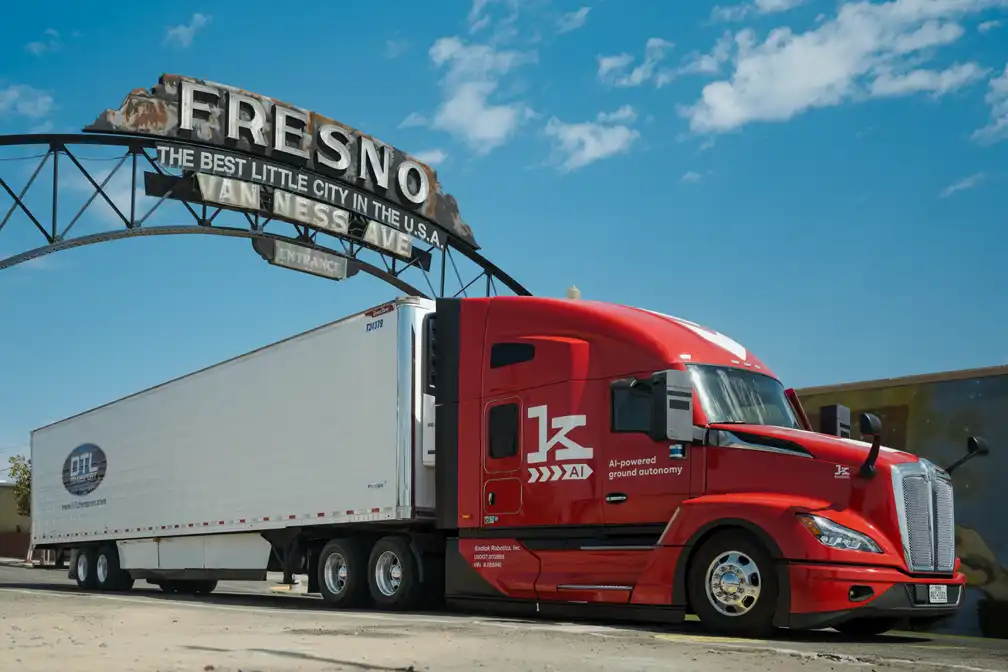
Kodiak AI has signed a binding agreement with California-based DTL Transport to deploy 75 autonomous trucks in commercial freight operations. Announced on October 28, 2026, the agreement marks another step toward expanding driverless trucking on major U.S. highways.
Under the agreement, DTL Transport will own and operate the trucks, while Kodiak will provide its autonomous driving technology. The trucks are expected to operate on routes connecting Texas, Georgia, and other parts of the southern United States.
According to additional reporting from TechCrunch, deliveries of the 75 trucks are expected to begin in 2028. The companies have not announced a complete deployment schedule.
Kodiak AI and DTL Transport Reach New Agreement
The agreement involves Kodiak’s autonomous driving system, known as the Kodiak Driver. DTL Transport will integrate the technology into 75 trucks within its own fleet. DTL is a California-based freight carrier specializing in long-distance team operations. The company transports produce and other goods for major grocery customers.b Rather than purchasing autonomous trucking services from a separate carrier, DTL will operate the vehicles itself.
The arrangement follows Kodiak’s Driver-as-a-Service business model. Under this structure, DTL will pay Kodiak a fee based on the number of miles traveled using its autonomous driving technology.
Kodiak describes the agreement as the first publicly announced binding deal involving an interstate trucking company operating driverless trucks in its own fleet under this model. The companies did not disclose the agreement’s financial value or the per-mile fee.
Where Will the 75 Autonomous Trucks Operate?
Kodiak and DTL plan to introduce the trucks on two major freight corridors:
- Dallas to El Paso, Texas: Interstate 10 corridor.
- Dallas to Atlanta, Georgia: Interstate 20 corridor.
Kodiak has already conducted autonomous truck testing on both routes. The company said additional routes could be introduced as operations expand. These highways are important freight corridors connecting distribution centers, major cities, and interstate shipping networks.
Kodiak also noted that autonomous operations could allow DTL to move freight without the driving-hour restrictions that apply to human truck drivers. However, the agreement does not mean all 75 trucks are already operating without drivers. Deployment is planned for a future date, and the companies have not announced when the entire fleet will enter service.
Agreement Follows Autonomous Trucks Testing in California
The new agreement follows a pilot program conducted by Kodiak and DTL in September 2026. During that program, a truck equipped with the Kodiak Driver transported perishable freight approximately 225 miles between Fresno and Los Angeles. The operation used Interstate 5 and California State Route 99.
According to Kodiak, the deliveries marked the first commercial freight transported using autonomous Class 8 truck technology under California’s new heavy-duty autonomous vehicle testing permit. The permit was issued by the California Department of Motor Vehicles.
Although the truck’s driving functions were automated, a human safety operator remained behind the wheel during the California pilot. The distinction is important because California’s testing program is not the same as unrestricted commercial driverless operations. The September pilot gave Kodiak and DTL an opportunity to evaluate the technology while transporting commercial freight.
How the Driver-as-a-Service Model Works
Kodiak’s business strategy involves providing autonomous driving technology to trucking companies rather than requiring those companies to rely entirely on a separate autonomous carrier. Under the Driver-as-a-Service model, the customer owns and operates the trucks while paying Kodiak to use its driving system.
This arrangement could allow established motor carriers to integrate autonomous technology into their existing fleets, dispatch systems, and customer operations. Kodiak has also operated a different model in which it owns and operates trucks to transport freight for customers.
The DTL agreement represents a move toward supplying autonomous driving technology directly to commercial carriers. Kodiak CEO Don Burnette said the agreement supports the company’s long-term business strategy and its plans to expand autonomous trucking.
DTL President and CEO Lucky Dosanjh said the technology is intended to complement the company’s existing professional workforce while expanding freight capacity. Neither company announced plans to eliminate specific driver positions as part of the agreement.
Kodiak Plans Additional Driverless Truck Operations
The agreement with DTL is part of Kodiak’s broader effort to expand autonomous freight transportation. The company plans to begin driverless highway freight service for IKEA before the end of 2026.
That service is expected to operate along Interstate 45 between Dallas and Houston, Texas. Kodiak has also deployed its technology in industrial transportation operations. As of June 30, 2026, the Kodiak Driver was installed in 35 driverless trucks owned and operated by Atlas Energy Solutions.
Those vehicles operate in industrial settings rather than the same public-highway environment planned for DTL’s long-distance freight operations. Kodiak has committed to expanding the Atlas fleet to 100 trucks by mid-2027. These projects show how the company is pursuing autonomous transportation in both industrial and interstate trucking operations.
What the Agreement Means for Truck Drivers
The agreement highlights the continued development of autonomous trucks and their potential role in long-distance freight transportation. For trucking companies, the technology could eventually provide additional capacity on routes where freight must move over long distances. Autonomous systems may also change how some carriers organize dispatching, equipment maintenance, fleet supervision, and freight operations. However, the long-term effects on truck driver employment remain uncertain.
DTL has stated that it intends to integrate the technology alongside its existing workforce. The company has not announced specific changes to its driver staffing. Autonomous trucking also continues to face questions involving safety performance, regulatory oversight, operating conditions, and how driverless vehicles will interact with other highway users.
The latest agreement represents a commercial commitment, not the immediate deployment of 75 driverless trucks. With deliveries expected to begin in 2028, Kodiak and DTL still have additional steps ahead before the planned fleet enters service.
For now, the announcement shows that autonomous trucking technology is moving beyond individual testing programs toward longer-term agreements with established freight carriers.