dayileyvasAugust 14, 20264 Mins read302
Kodiak Receives California Permit to Test Autonomous Trucks
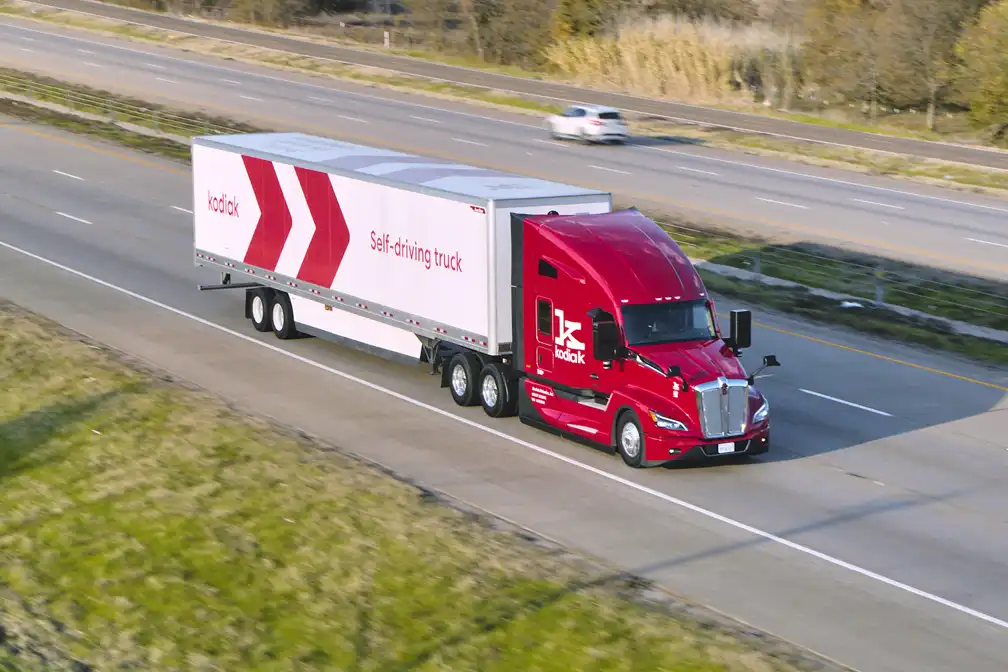
California has issued Kodiak a permit to test heavy-duty autonomous trucks on public roads, marking another step in the state’s newly expanded autonomous vehicle program.
Kodiak AI announced on August 14 that it received a heavy-duty commercial Autonomous Vehicle Testing Permit from the California Department of Motor Vehicles. The permit was issued August 13 under regulations that recently opened California roads to autonomous vehicle testing involving trucks weighing more than 10,000 pounds.
The permit does not allow Kodiak to immediately operate fully driverless trucks in California. Under the current authorization, a human safety driver must remain behind the wheel during testing.
The development comes as California’s new autonomous truck regulations are facing a legal challenge from Teamsters California, adding another layer to the ongoing debate over driverless trucks in the state.
Kodiak Permit Allows Autonomous Truck Testing
California previously prohibited autonomous vehicle testing for vehicles weighing more than 10,000 pounds.
That changed when the California DMV approved new regulations on April 28. The regulations created a process allowing companies to seek permits for heavy-duty autonomous vehicle testing on public roads.
Kodiak has now received a permit under the expanded Autonomous Vehicle Tester program.
According to the company, the permit allows its autonomous trucks to operate on California roads as long as a human safety driver is aboard.
That distinction is important. The permit represents the first stage of California’s autonomous truck permitting process rather than approval for unrestricted driverless commercial operations.
Human Safety Driver Required Under Kodiak Permit
California’s new system uses a phased approach for autonomous heavy-duty vehicles.
The process begins with drivered testing, which requires a human safety driver. Companies could later move toward driver-out testing and eventually driver-out deployment if they receive the necessary approvals.
Kodiak’s new permit applies only to the first stage.
This means motorists and commercial drivers sharing California roads with Kodiak’s test trucks should still see a person behind the wheel during operations conducted under this permit.
Kodiak described the authorization as the first step toward expanding its autonomous trucking operations across the country.
Statements about the future expansion, safety benefits, and other expected results come from Kodiak and represent the company’s plans and expectations.
California Opens Roads to Heavy-Duty Autonomous Trucks
California’s decision is significant because the state had previously excluded heavy-duty commercial vehicles from its autonomous testing program.
The new regulations changed that policy.
Companies that meet California’s requirements can now seek permission to test autonomous trucks and other heavy vehicles on public roads.
However, receiving a drivered testing permit does not automatically authorize a company to remove the safety driver.
Moving to driver-out operations would require additional approval under the state’s phased system.
For truck drivers, that means California has begun allowing autonomous heavy-duty truck testing, but there remains a regulatory difference between a truck being tested with a person behind the wheel and one operating without anyone in the cab.
Kodiak Permit Comes During Teamsters Lawsuit
The permit arrives shortly after Teamsters California filed a lawsuit against the California DMV challenging the regulations that opened the state to heavy-duty autonomous vehicle testing.
Teamsters California filed the lawsuit on August 5 in Alameda County Superior Court.
The union alleges that the DMV did not properly study or disclose the potential economic, employment, and safety effects of allowing autonomous heavy-duty trucks on California roads before adopting the regulations.
The lawsuit asks the court to invalidate the regulations.
Those are allegations made by Teamsters California. A court has not determined that the DMV violated the law.
The union has also raised concerns about potential truck driver job losses and the safety of operating heavy autonomous vehicles on public roads.
California’s DMV regulations, meanwhile, have continued moving forward while the legal challenge is pending. Kodiak’s permit was issued eight days after Teamsters California announced its lawsuit.
There is currently no indication that the lawsuit itself has suspended Kodiak’s permit.
Kodiak Already Operates Driverless Trucks Elsewhere
While Kodiak’s California permit requires a human safety driver, the company already has experience operating trucks without anyone in the cab elsewhere.
Kodiak says its autonomous driving technology is currently used in long-haul trucking, industrial trucking, and defense applications.
The company has also deployed driverless technology in customer-owned semi-trucks and has worked with several companies in the trucking and freight industries.
However, operations in other states do not determine what Kodiak can do in California.
The company must follow California’s permitting requirements before progressing from drivered testing toward driver-out operations in the state.
What Kodiak’s Permit Means for Truck Drivers
The immediate change is relatively limited: Kodiak can now test autonomous heavy-duty trucks on California public roads with a human safety driver behind the wheel.
The permit does not mean California has approved widespread fully driverless trucking.
However, the authorization is significant because it shows that the state’s recently adopted autonomous truck regulations are moving from the rulemaking stage into actual permits.
The next major development would come if Kodiak or another company seeks and receives authorization for driver-out testing.
At the same time, the Teamsters lawsuit creates a separate legal question over whether the regulations that established this process were adopted properly.
That means two developments are now happening at once. California is beginning to issue permits under its new autonomous truck rules, while those same rules are being challenged in court.
For commercial drivers, the distinction between testing with a safety driver, driver-out testing, and full driverless deployment will remain important as California’s autonomous trucking program develops.