dayileyvasAugust 11, 20262 Mins read286
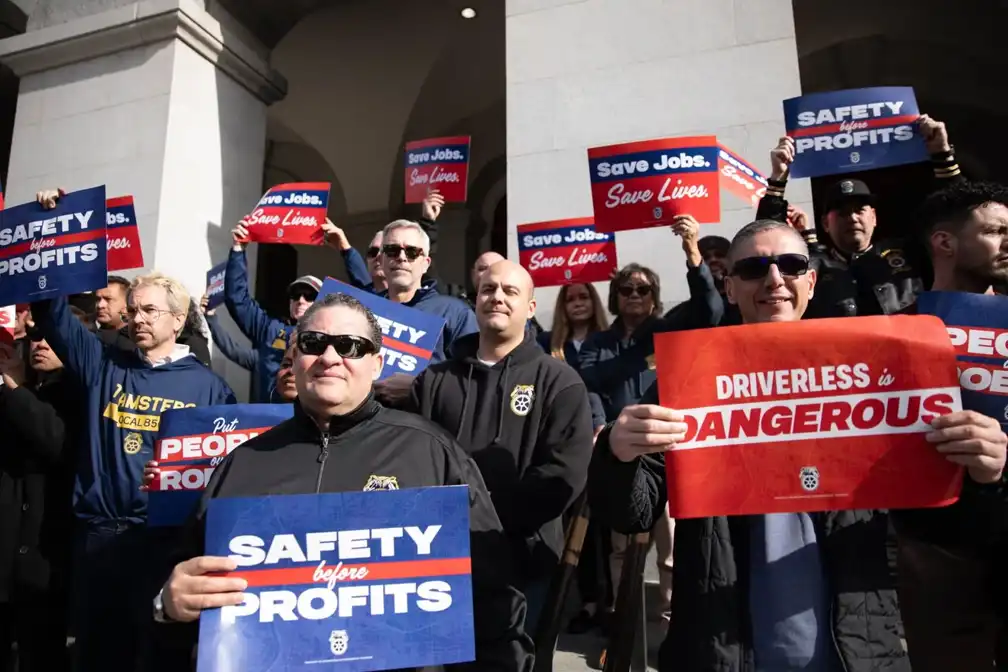
Driverless Trucks: Teamsters Challenge California DMV Rules
A legal battle over Driverless Trucks is underway in California after Teamsters California filed a lawsuit challenging the state’s new regulations that allow manufacturers to apply for permits to test and eventually deploy autonomous heavy-duty trucks on public roads.
The lawsuit, filed in Alameda County Superior Court, argues that the California Department of Motor Vehicles (DMV) did not follow required rulemaking procedures before adopting the regulations earlier this year. The case does not challenge a specific trucking company or autonomous vehicle developer. Instead, it seeks to overturn the DMV’s regulations and require the agency to complete additional studies before the rules move forward.
Driverless Trucks Rules Face Court Challenge
California adopted new autonomous vehicle regulations in April 2026, creating a pathway for manufacturers to apply for permits to test and deploy heavy-duty autonomous commercial vehicles weighing more than 10,000 pounds on public roads.
Before the rule change, California generally prohibited testing autonomous heavy-duty trucks. Under the new framework, companies must still apply for permits and meet a series of testing, reporting, and safety requirements before operating commercial driverless trucks in the state. The regulations do not automatically authorize companies to begin widespread commercial operations.
Why the Teamsters Filed the Lawsuit
According to Teamsters California, the DMV failed to complete the level of economic analysis required under state law before adopting the regulations.
The union argues the agency improperly used a streamlined rulemaking process intended for regulations with limited economic impacts instead of conducting a broader review of how autonomous heavy-duty trucks could affect jobs, businesses, and the public.
The lawsuit also alleges the DMV did not adequately evaluate potential public safety impacts or provide sufficient opportunities for public review before finalizing the regulations. Teamsters California is asking the court to invalidate the rules until those requirements are met.
DMV Regulations Include Multiple Requirements
While the lawsuit challenges the rulemaking process, the DMV’s regulations include several requirements before heavy-duty autonomous trucks can operate commercially.
Manufacturers must complete extensive testing, demonstrate the safety of their autonomous driving systems, submit safety documentation, and comply with reporting requirements covering crashes, system failures, miles traveled, and other operational data.
The DMV also has authority to place restrictions on testing locations, operating conditions, fleet size, and other permit conditions.
California DMV Has Not Responded to the Lawsuit
The California DMV has not publicly responded to the allegations made in the lawsuit. Multiple news outlets reported that the agency declined to comment because the case involves pending litigation.
Autonomous vehicle industry groups, however, have defended California’s regulatory process, saying the rules were developed over several years with input from government agencies, industry representatives, labor organizations, and other stakeholders before being approved.
What the Lawsuit Means for Truck Drivers
The lawsuit does not immediately stop autonomous truck testing or automatically suspend California’s regulations.
Instead, the case asks the court to determine whether the DMV followed the legal procedures required to adopt the new rules. Unless a court orders otherwise, manufacturers may continue seeking permits under the current regulatory framework.
For truck drivers, the case could influence how quickly autonomous trucking expands in California and whether additional economic or safety reviews will be required before broader deployment of Driverless Trucks.
Driverless Trucks Remain a Closely Watched Issue
California has become one of the most closely watched states in the debate over autonomous commercial vehicles. Supporters of the technology argue it could improve freight efficiency and safety over time, while labor organizations continue raising concerns about workforce impacts and regulatory oversight.
The outcome of the Teamsters’ lawsuit could help determine how California approaches future autonomous trucking deployments and may influence similar discussions in other states considering regulations for Driverless Trucks.