Aurora Expands Driverless Truck Operations With New Fleet
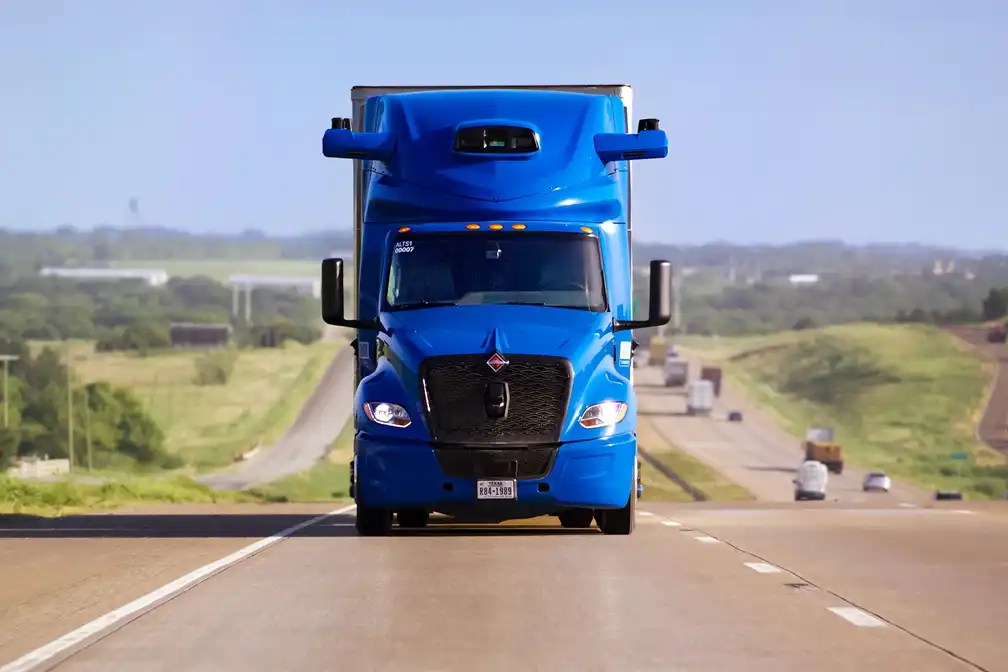
Aurora has announced the deployment of its second generation of driverless Class 8 trucks, marking another step in the company’s expansion of autonomous freight operations in the United States.
According to the company, the new trucks are designed for commercial service and will begin operating across its existing freight network in the Sun Belt. The announcement comes as interest in autonomous trucking continues to grow, although the technology remains limited to select routes and carriers.
While the update does not change current regulations for commercial drivers, it signals continued investment in driverless freight technology that could shape the industry’s future.
Aurora Expands Its Driverless Trucking Program
Aurora said its second-generation driverless trucks are built on a new hardware platform intended to support larger commercial deployments.
The company stated that the new trucks feature upgraded computing systems, sensors, and redundant safety systems designed for long-haul freight operations. Aurora also said the new platform was developed with manufacturing at scale in mind as it works toward broader commercial deployment.
According to the company, the latest trucks will operate on existing freight routes in the southern United States, where Aurora has already been testing and operating autonomous vehicles.
Aurora Reports Nearly 440,000 Driverless Miles
As part of the announcement, Aurora said its autonomous trucks have completed nearly 440,000 driverless miles since launching commercial operations.
The company said those miles were accumulated while transporting freight on public highways without a driver in the cab. Aurora stated that the experience gained during those operations has helped refine both its hardware and software systems.
Expansion Plans Include More Trucks and Customers
Aurora also outlined plans to expand production of its autonomous truck platform.
According to the company, it is working with manufacturing partner Roush to produce approximately 1,000 autonomous trucks per year once production reaches full capacity.
Aurora also announced that one customer plans to purchase up to 500 trucks equipped with the company’s autonomous driving system. The company did not indicate when those trucks would be delivered or enter commercial service.
The announcement reflects continued investment in autonomous freight technology as companies seek to expand commercial deployments beyond pilot programs.
What this Means for Truck Drivers
The latest announcement does not change any current federal rules governing commercial drivers.
Drivers are still required to comply with existing FMCSA regulations, including commercial driver’s license requirements, hours-of-service rules, and vehicle inspection standards.
However, Aurora’s expansion highlights the continued development of autonomous trucking technology. Several companies are testing or deploying self-driving Class 8 trucks on limited freight corridors, particularly in the southern United States.
Supporters of autonomous trucking argue the technology could improve freight efficiency and address certain operational challenges. Others have raised questions about safety, workforce impacts, and how autonomous trucks will be integrated into the nation’s transportation system over the long term.
Those issues continue to be discussed by regulators, industry groups, carriers, and professional drivers.
Driverless Trucking Continues to Evolve
Aurora‘s latest announcement represents another milestone in the gradual expansion of autonomous freight operations.
While commercial driverless trucking remains limited to specific routes and operating conditions, companies continue investing in the technology and increasing real-world testing and commercial deployments.
For truck drivers, the announcement does not affect day-to-day operations today. However, it offers another indication that autonomous trucking remains an active area of development that could influence the future of freight transportation in the years ahead.
 dayileyvasJuly 30, 20262 Mins read33