dayileyvasJuly 30, 20263 Mins read258
DEF Software Updates Expand for Volvo and Mack Trucks
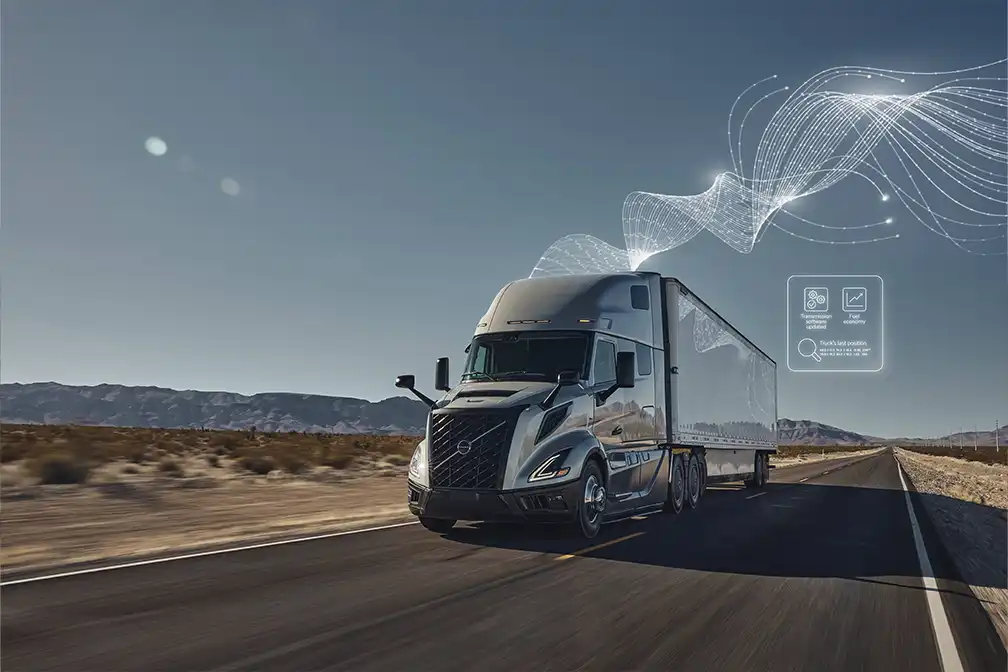
Volvo Trucks North America has announced new DEF Software updates designed to give truck operators more flexibility when dealing with diesel emissions system issues. The update follows recent guidance from the U.S. Environmental Protection Agency (EPA) that allows manufacturers to revise how certain emissions-related speed restrictions are applied.
Mack Trucks is also introducing similar software updates for eligible trucks, making the two manufacturers among the latest to begin implementing the changes. The updates are intended to reduce the impact of emissions system faults while continuing to require repairs and compliance with federal emissions standards.
What the DEF Software Update Changes
The new DEF Software changes how trucks respond when a fault is detected in the diesel exhaust fluid (DEF) or selective catalytic reduction (SCR) emissions system.
Under previous calibration requirements, some trucks could eventually be limited to a maximum speed of 5 mph if the issue was not repaired. According to Volvo Trucks North America, the updated software raises the final speed limitation to 25 mph, giving operators more flexibility to reach a repair facility instead of being restricted to extremely low speeds.
The software also extends the amount of operating time available before the truck reaches the final inducement stage. Instead of roughly four hours, eligible trucks may have up to 160 operating hours before the final speed restriction is applied, depending on the fault.
The software does not eliminate the need to repair emissions-related problems. Drivers and fleets are still required to correct the issue to maintain compliance with federal emissions regulations.
Why the DEF Software Update is Being Introduced
The software updates follow revised EPA guidance announced earlier this month as the agency works toward broader changes to heavy-duty truck emissions requirements.
The EPA has proposed eliminating the long-standing 5 mph derate requirement in a future rulemaking. While that proposal has not yet been finalized, the agency issued guidance allowing manufacturers to revise their software so that trucks can continue operating at higher speeds while repairs are arranged.
Volvo said the changes are intended to reduce unnecessary operational disruptions while still ensuring that emissions-related faults are repaired.
Which Trucks are Eligible for the DEF Software Update
Volvo Trucks North America said the updated DEF Software will be installed on new trucks and will also become available for many existing vehicles.
According to the company, the rollout includes:
- New Volvo trucks produced with the updated software.
- Many eligible Volvo heavy-duty truck models built since 2010 through dealer-installed software updates.
- A phased rollout that is expected to continue through 2027.
Mack Trucks is implementing similar software updates for eligible Mack vehicles, although availability may vary depending on the truck model and engine configuration.
Truck owners should contact their authorized Volvo or Mack dealer to determine whether their vehicle qualifies for the software update and when it will become available.
How the Update Could Affect Truck Operations
For truck owners and fleet operators, the updated DEF Software could reduce downtime caused by emissions system faults.
Instead of being limited to 5 mph after the final inducement stage, eligible trucks will be able to continue operating at speeds of up to 25 mph. While the updated speed is still intended to encourage prompt repairs, it provides greater flexibility for drivers who need to reach a safe location or repair facility.
The longer operating window before the final inducement stage may also give fleets more time to schedule repairs without immediately disrupting deliveries.
However, the software does not remove emissions requirements or eliminate the obligation to repair malfunctioning DEF or SCR systems.
Manufacturers Continue Implementing EPA Guidance
Volvo and Mack are among the latest truck manufacturers to begin implementing the EPA’s revised guidance through updated software.
The changes represent an interim step while EPA continues working on its broader proposal to revise heavy-duty emissions regulations. If the proposed rule is finalized, additional changes to emissions inducement requirements could follow in the future.
For now, the manufacturers’ announcements provide truck owners with a clearer timeline for when eligible vehicles may begin receiving the updated software.
What Happens Next
The rollout of the new DEF Software is expected to continue over the coming months as manufacturers expand availability across additional truck models.
Eligible Volvo owners can receive the update on new vehicles or through dealer-installed software on qualifying existing trucks. Mack is following a similar approach for its eligible vehicles.
Although the software provides more operating flexibility, emissions system repairs remain required, and truck owners are encouraged to work with their dealers to determine eligibility and update availability.