Vincent ShakirFebruary 17, 20263 Mins read1.3k
EPA Final Rule Rescinds Vehicle GHG Standards
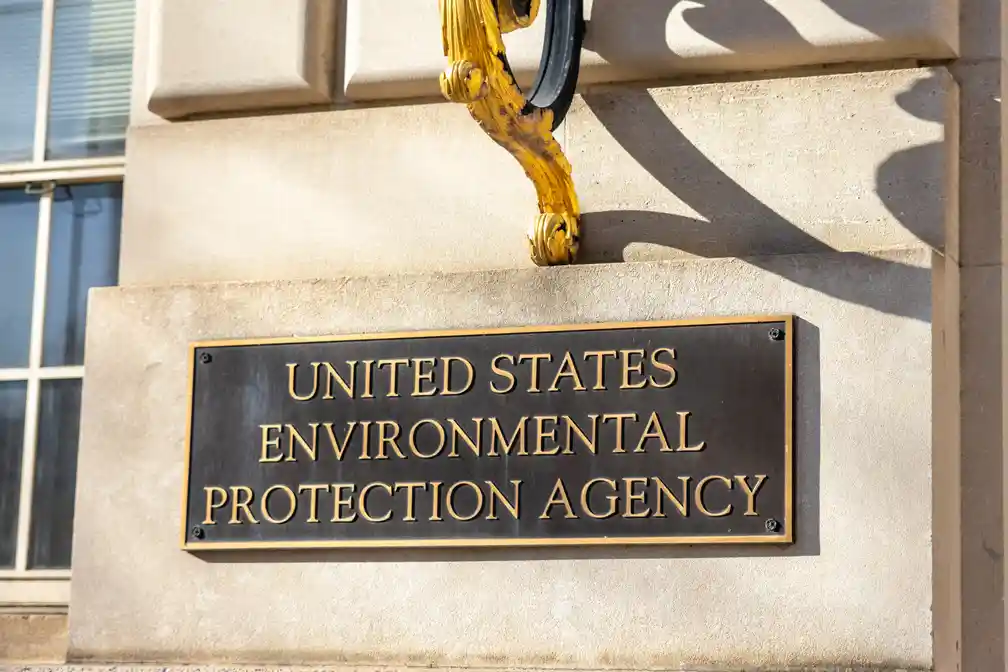
The Environmental Protection Agency (EPA) has issued a final rule that will rescind the agency’s 2009 Greenhouse Gas Endangerment Finding. The rule also repeals greenhouse gas (GHG) emission standards for light-duty, medium-duty, and heavy-duty vehicles and engines. The action is scheduled for publication in the Federal Register on February 18, 2026.
The EPA says the decision is based on its reading of the Clean Air Act (CAA). The agency states that CAA section 202(a)(1) does not authorize it to regulate GHG emissions in response to global climate change concerns. The rule cites statutory interpretation, legal precedent, and agency analysis.
What the EPA Final Rule Changes
The final rule rescinds the Administrator’s 2009 findings of contribution and endangerment. It also removes all GHG emission standards issued under CAA section 202(a)(1).
According to the EPA, the agency determined that the statute does not support the earlier framework. The rule explains that key terms such as “air pollution,” “cause,” “contribute,” and “reasonably be anticipated to endanger” must be read in context.
The EPA states that it is not finalizing additional repeal bases that appeared in the proposal stage. Instead, the final action rests on legal interpretation and related conclusions.
Heavy-Duty Trucks and Engine Standards
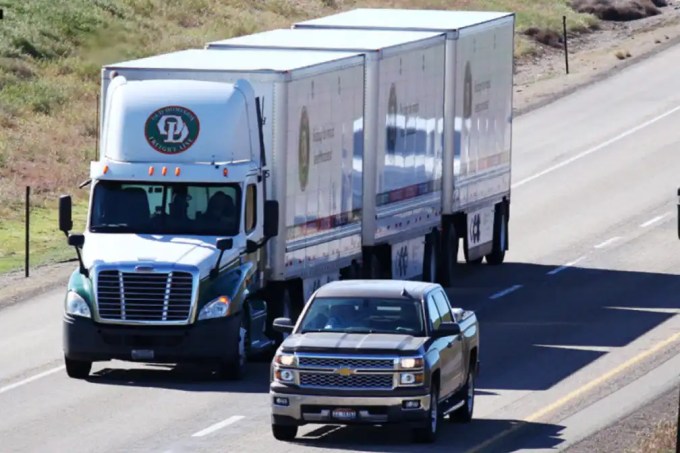
The trucking industry is directly affected by the repeal of heavy-duty vehicle and engine GHG standards. These standards applied to model years starting with MY 2012. They extended through MY 2027 and beyond.
With this rule, manufacturers of heavy-duty trucks and engines will no longer face federal GHG requirements. The EPA states that the final action removes regulations tied to:
- Heavy-duty GHG emission limits
- Test procedures
- Averaging, banking, and trading (ABT) programs
- Reporting and recordkeeping rules
- Fleet-average compliance provisions
The EPA also clarifies that manufacturers no longer have current or future obligations related to GHG measurement, reporting, or compliance.
EPA Clarifies What Remains Unchanged
While GHG standards are being removed, other emissions programs remain in place. The agency states that this rule does not change:
- Criteria pollutant standards
- Hazardous air pollutant regulations
- Corporate Average Fuel Economy (CAFE) testing
- Fuel economy labeling
This means heavy-duty trucks must still meet limits for pollutants such as nitrogen oxides (NOₓ) and particulate matter (PM). Diesel emissions systems designed to control smog-forming pollutants are still required.
EPA: Legal Interpretation
The final rule focuses heavily on statutory language. The agency concludes that the phrase “air pollution” in CAA section 202(a)(1) refers to pollution with local or regional health effects.
The agency also states that section 202(a)(1) does not grant “procedural discretion” to issue standalone findings that automatically trigger regulation. The rule argues that findings and standards must be linked.
In addition, the EPA states that the 2009 Endangerment Finding separated the analysis of endangerment from the analysis of causation or contribution.
The final rule references Supreme Court decisions. These include West Virginia v. EPA, Utility Air Regulatory Group v. EPA, and Loper Bright Enterprises v. Raimondo. The agency says these cases reinforce limits on agency authority.
EPA’s Conclusions on Climate Impact
The EPA states that modeling submitted during the comment period played a role in its analysis. The agency also conducted its own review.
According to the rule, even the complete elimination of GHG emissions from U.S. vehicles would produce very small modeled changes in global metrics. The agency describes these effects as “de minimis.”
The agency estimates that eliminating all U.S. vehicle GHG emissions would result in:
- About 0.013 °C difference in global mean surface temperature (GMST) by 2050
- About 0.037 °C difference by 2100
- Roughly 0.09 cm difference in global sea level rise (GSLR) by 2050
- About 1.40 cm difference by 2100
The EPA states that these modeled values fall within normal measurement variability. Based on this, the agency concludes that vehicle GHG standards do not materially affect the public health and welfare concerns cited in 2009.
Public Comments and Hearings
The EPA reports receiving approximately 572,000 written comments. These comments came from more than 31,000 unique entities.
The agency also held four days of virtual public hearings. More than 600 speakers provided testimony.
Comments covered a wide range of topics. These included legal interpretation, economic impact, regulatory authority, and climate science. The agency states that it reviewed all timely submissions.
Effective Date and Judicial Review
The final rule becomes effective 60 days after publication in the Federal Register.
The EPA notes that judicial review is available under CAA section 307(b)(1). Petitions for review must be filed with the U.S. Court of Appeals for the District of Columbia Circuit.
What This Means for Trucking
For truck and engine manufacturers, the repeal removes federal GHG emission standards under CAA section 202(a)(1). Compliance plans built around CO₂ limits may no longer apply at the federal level.
For fleets and drivers, the rule does not change existing standards for criteria pollutants. It does not alter diesel emissions system requirements tied to NOₓ or PM controls.
The broader impact may depend on state policies, vehicle technology trends, and any legal challenges that follow publication.