Vincent ShakirJune 15, 20264 Mins read46
Volvo, Mack Trucks Recalled Over Wheel Detachment Risk
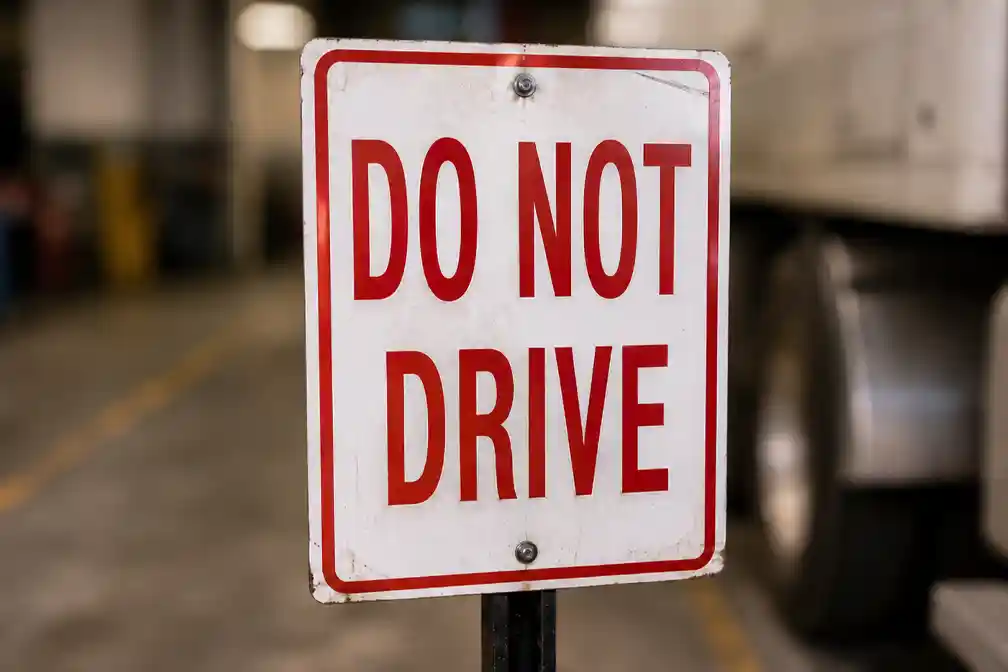
Certain newer Mack Trucks and Volvo trucks are under “Do Not Drive” recalls because a wheel-mounting problem could allow lug nuts to loosen and a wheel to detach.
The recalls affect hundreds of 2026 and 2027 model-year commercial trucks in the United States. Federal recall documents say affected vehicles should not be driven until dealers inspect and repair the wheel mounting area.
The issue involves masking material that may have been left between the wheels and axle hubs during a painting process. As that material compresses, it can reduce the clamping force on the wheel. That may allow the lug nuts to loosen.
A wheel and tire assembly that separates from a moving truck can cause a loss of control. It can also create a serious road hazard for other drivers.
Mack Trucks Recall Covers Several Models
Mack Trucks is recalling certain 2026 Anthem trucks, 2026-2027 Pioneer, Pinnacle and Granite trucks, and 2027 Anthem trucks.
The National Highway Traffic Safety Administration listed the Mack recall under campaign number 26V351. The recall covers 644 U.S. trucks.
Mack’s safety recall materials also list 741 vehicles overall. That total includes 644 in the United States, 71 in Canada, 10 in Mexico and 16 export vehicles. The affected Mack Trucks models were built from June 3, 2025, through May 19, 2026.
Owners are advised not to drive affected Mack trucks until the repair has been performed. VINs involved in the Mack recall became searchable on NHTSA.gov on May 31, 2026.
Volvo Trucks Also Included in Do Not Drive Recall
Volvo Trucks North America is recalling certain 2026 VAH trucks, 2026-2027 VN, VHD and VNL trucks, and 2027 VNR trucks.
NHTSA listed the Volvo recall under campaign number 26V350. The agency said 155 U.S. trucks are potentially affected.
Volvo’s related safety recall documents also list affected model-year 2026-2027 VAH, VHD, VNL, VNM, VNR, VNR (4), and VNL (4) vehicles built from June 16, 2025, through May 19, 2026.
Owners were advised not to drive the affected vehicles until the repair is completed. VINs involved in the Volvo recall became searchable on NHTSA.gov on May 29, 2026.
Why the Mack Trucks Recall Matters to Drivers
This recall is more urgent than a routine service notice because both recalls carry a Do Not Drive warning.
For commercial truck drivers, that can mean an affected truck may need to be parked right away. A company driver may have to wait for a fleet safety department to confirm whether the truck is included. Another unit may be assigned while repairs are arranged.
For owner-operators, the recall may cause a more direct business impact. A truck that cannot be driven can mean missed loads, lost revenue, and possible schedule problems until the truck is inspected and repaired.
The recall documents say the repair is free. However, the dealer instructions also note that towing or technician travel may be considered on a case-by-case basis due to the nature of the Do Not Drive recall.
What Caused the Wheel Problem?
The recall documents say the issue came from masking material used during painting.
That material may have remained between the wheel and axle hub. Because it had a similar outer profile to the hub, operators may not have recognized the error during production.
When the wheel was installed, the material created a “soft joint” between the wheel and hub instead of a hard mounting surface. As the material compressed, the wheel lug nuts could lose torque.
The reports say there is no warning that may occur before the defect becomes a problem. That detail is important for drivers because the issue may not be obvious during normal operation.
Mack Trucks and Volvo Repairs Require Wheel-End Inspection
Dealers will inspect the wheel and hub mating surfaces. If masking material is found, dealers will remove it. They will also inspect related wheel-end parts and replace worn components if needed.
The repair instructions show that technicians must secure the vehicle, chock the wheels, raise the wheel end, remove the lug nuts, and remove the wheel. They must then inspect all axles for the paint masking ring.
If the masking ring is present, technicians are instructed to remove foreign material. If the vehicle has brake drums, the drums must be removed so the joints can be checked for debris. The hub, studs, drums, and wheels must also be inspected for damage.
Once the inspection and repair steps are complete, the wheels are reinstalled and tightened using standard procedures.
No Crashes or Injuries Reported
The recall records do not show any crashes or injuries tied to the defect.
Volvo reported four warranty claims, with no field reports, crashes, or injuries related to the issue. Mack Trucks reported one warranty claim and two field reports, with no crashes or injuries.
Both companies described the recalls as proactive safety actions. Still, the Do Not Drive warning makes the recalls important for drivers and fleets that operate the affected trucks.
Fleets and Dealers Face Compliance Steps
The recalls also matter for fleets, dealers, and safety departments.
Dealers are instructed not to release affected vehicles until the recall repair is completed. Federal recall correspondence also reminds manufacturers that vehicles with a known safety defect cannot be sold, offered for sale, imported, or introduced into interstate commerce until the defect has been remedied.
For motor carriers, the first step is to verify VINs against the recall. Fleet maintenance teams may need to locate affected trucks, take them out of service, and schedule dealer inspections.
For drivers, the most practical issue is whether the assigned truck is included in the recall. If it is, the truck should not be operated until the required inspection and repair have been completed.