dayileyvasJuly 10, 20262 Mins read58
EPA Proposes Changes to Truck Emissions Rule, Including End to DEF Derates
The U.S. Environmental Protection Agency (EPA) has proposed changes to the federal Truck Emissions Rule that would eliminate diesel exhaust fluid (DEF) derates on newly manufactured heavy-duty trucks and revise several emissions compliance requirements for manufacturers.
The proposal, announced July 9, would also reduce certain warranty requirements, extend compliance timelines, and provide additional flexibility for engine manufacturers transitioning to stricter emissions standards. EPA estimates the proposal could reduce compliance costs for the trucking industry, but the changes are not yet final and must first complete the federal rulemaking process.
Truck Emissions Rule would eliminate DEF derates
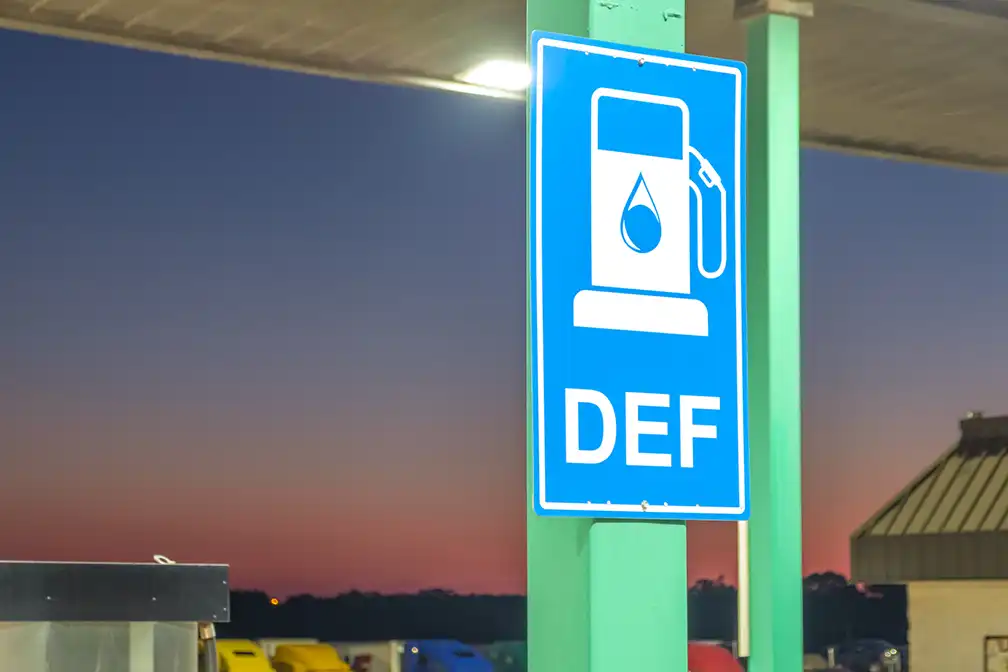
One of the most significant parts of the proposal would eliminate DEF derates for newly manufactured highway trucks and other diesel-powered equipment.
A DEF derate is a system that automatically reduces engine power or limits vehicle speed when the emissions system detects certain faults, such as problems with the DEF system or related components. Under current systems, some trucks may eventually enter a reduced-speed mode until repairs are made.
Instead of automatically reducing vehicle speed, EPA is proposing that future trucks provide drivers with visible or audible warnings when a DEF-related issue occurs, allowing operators to continue driving until they can safely address the problem.
The agency is also requesting public comments on whether similar guidance should be developed for trucks and equipment already in service.
Other proposed changes to the Truck Emissions Rule
In addition to addressing DEF derates, EPA is proposing several other revisions to the Truck Emissions Rule, including:
- Reducing emissions-related warranty requirements for heavy-duty diesel engines.
- Providing manufacturers with additional time before certain regulatory requirements take effect.
- Allowing temporary nonconformance penalties for some heavy-duty diesel engines that cannot immediately meet future nitrogen oxide (NOx) standards.
- Giving manufacturers greater flexibility during the transition to newer emissions technologies.
According to EPA, the proposal would maintain the existing heavy-duty NOx emissions standards while preserving nearly 90% of the expected nitrogen oxide emissions reductions established under the current rule.
Why EPA says the proposal is needed
EPA said truck and engine manufacturers, suppliers, dealerships, and trucking fleets have expressed concerns that portions of the current Truck Emissions Rule are difficult to meet within the required timeline.
The agency said the proposed revisions are intended to provide additional flexibility while allowing manufacturers more time to ensure new emissions technologies perform reliably under real-world operating conditions.
EPA also estimates the proposal could reduce compliance costs by approximately $12 billion and lower the cost of a new heavy-duty truck by as much as $6,000 per vehicle, although those figures are agency estimates included in the proposal.
What the proposal means for truck drivers
If finalized, the proposed Truck Emissions Rule could affect the design and operation of future heavy-duty trucks rather than trucks already on the road.
For drivers purchasing new equipment in the coming years, one of the most noticeable changes could be the elimination of automatic DEF-related speed restrictions on newly manufactured trucks. Instead, drivers would receive alerts indicating a problem with the emissions system while retaining the ability to continue operating until repairs can be made safely.
The proposal does not change hours-of-service regulations, commercial driver’s license requirements, or roadside inspection procedures.
Public comments will be accepted before any changes take effect
The proposed Truck Emissions Rule is not yet in effect.
EPA will open a 45-day public comment period and hold a public hearing before deciding whether to finalize the proposal. The agency may revise the proposal based on feedback received during that process.
Until a final rule is issued, the current federal emissions requirements for heavy-duty trucks remain in place.