Vincent ShakirFebruary 4, 20263 Mins read635
EPA Expands DEF Oversight After Ongoing Trucking Issues
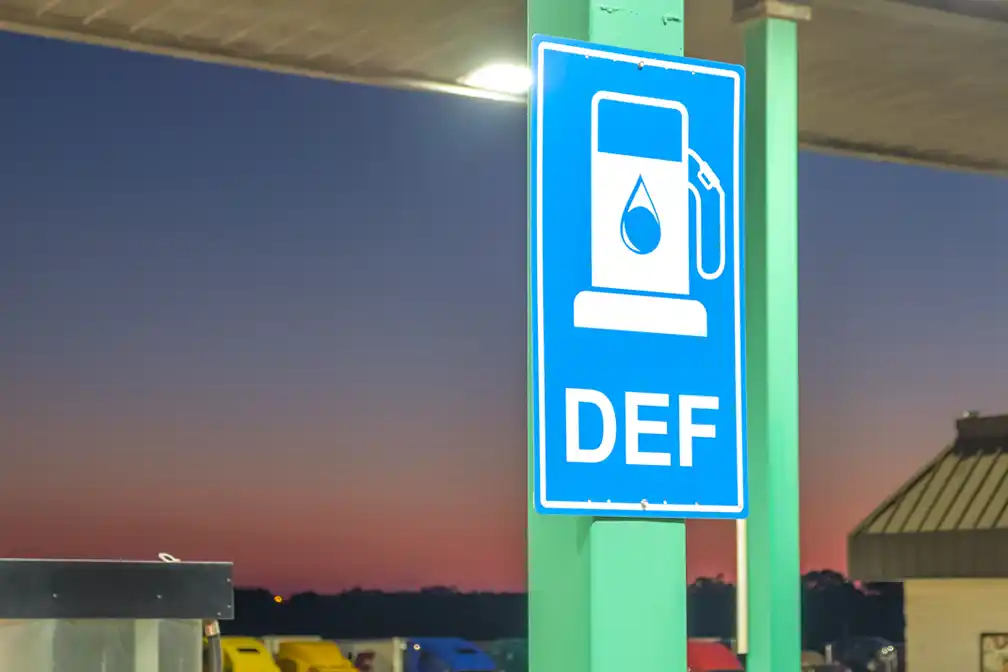
The Environmental Protection Agency (EPA) has taken a new step to address ongoing Diesel Exhaust Fluid (DEF) problems affecting truck drivers, farmers, and diesel equipment operators. On February 3, 2026, EPA Administrator Lee Zeldin announced that the agency is demanding detailed information from major diesel engine manufacturers to better understand persistent DEF system failures.
The action follows EPA guidance issued in August 2025 that reduced severe engine derates tied to DEF faults. EPA now says additional data is needed to determine why failures continue and whether further regulatory changes are required.
DEF System Failures Continue to Impact Truck Drivers
DEF system failures remain a serious concern across the trucking industry. When these systems malfunction, trucks can suddenly lose power or be forced into reduced-speed operation. In some cases, vehicles were previously limited to as little as five miles per hour within hours of a fault.
EPA says these sudden slowdowns create safety risks on highways and lead to delays, missed loads, and higher costs for drivers and fleets. While recent software guidance has helped reduce the severity of these events, the agency believes deeper issues may still exist.
According to EPA, reliable systems are essential for both safety and productivity in trucking operations.
EPA Demands Data From Engine Manufacturers
Using its authority under Section 208(a) of the Clean Air Act, EPA is requiring diesel engine manufacturers to submit detailed DEF-related data. The request applies to the top 14 on-road and nonroad manufacturers, which together account for more than 80 percent of all products used in these systems.
EPA is seeking information related to DEF:
- Warranty claims
- Failure rates
- Repair records
The request covers emission control products from model years 2016, 2019, and 2023. EPA says the data will help determine whether problems are linked to specific product generations or design issues.
Manufacturers have 30 days to respond. EPA noted that failure to comply could lead to further inquiries or penalties.
How August 2025 Guidance Reduced Harsh Derates
EPA’s current efforts build on guidance issued in August 2025 that significantly changed how DEF-related faults affect trucks and equipment. Before that guidance, an issue could quickly force a truck into unsafe low-speed operation or complete shutdown.
Under the revised DEF guidance for heavy-duty trucks:
- A warning light may appear for up to 650 miles or 10 hours after a fault
- Mild engine derates then apply, allowing normal operation for up to 4,200 miles or about two work weeks
- After roughly four work weeks, speed is limited to 25 mph until repairs are made
For nonroad equipment, EPA removed any impact for the first 36 hours before a slight torque reduction begins.
EPA says these changes were designed to give operators time to schedule repairs without creating roadway hazards or shutting down operations.
DEF Software Updates Still Under EPA Review
EPA has been meeting with manufacturers to monitor progress on software updates tied to the August guidance. The agency says it has encouraged manufacturers to provide relief as quickly as possible.
However, EPA also noted that software updates alone may not fully resolve failures. The new data request is intended to identify whether component quality, materials, or system design are contributing to ongoing problems.
The information collected will help guide EPA’s next steps in 2026, including possible DEF-related rulemaking.
New Standards Begin With Model Year 2027 Trucks
In addition to addressing existing fleets, EPA has already set requirements for future trucks. Beginning with model year 2027, all new on-road diesel trucks must be designed to avoid sudden and severe power loss after running out of DEF.
EPA says this requirement is meant to prevent abrupt shutdowns while still maintaining compliance with emissions standards.
Right-to-Repair Guidance for Nonroad Equipment
EPA recently issued guidance clarifying that Americans have the right to repair DEF systems on farm and other nonroad diesel equipment. Under this guidance, operators may fix broken DEF systems themselves rather than relying solely on dealerships.
EPA says this step will save time and money while broader system improvements continue.
EPA Reviews DEF Role in Heavy-Duty NOx Rule
The EPA is also working on reconsideration of the 2022 Heavy-Duty Engine and Vehicle NOx rule. As part of that review, the agency is evaluating whether DEF-related derates are still necessary for emissions compliance.
EPA stated that protecting air quality and public health remains a priority, but reliable system operation is also critical for truck drivers and equipment operators.
DEF Has Long Affected Diesel Trucks and Equipment
These systems have been a standard part of diesel emissions systems since 2010. While designed to reduce nitrogen oxide emissions, these systems have also introduced operational challenges for trucking and agriculture.
EPA says its latest actions reflect continued concerns raised by truck drivers and other operators nationwide. By collecting manufacturer data and reviewing existing rules, the agency aims to reduce DEF failures, improve safety, and limit downtime across the trucking industry.