dayileyvasMay 5, 20263 Mins read131
Union Pacific-Norfolk Southern Merger Could Shift Freight Off Highways
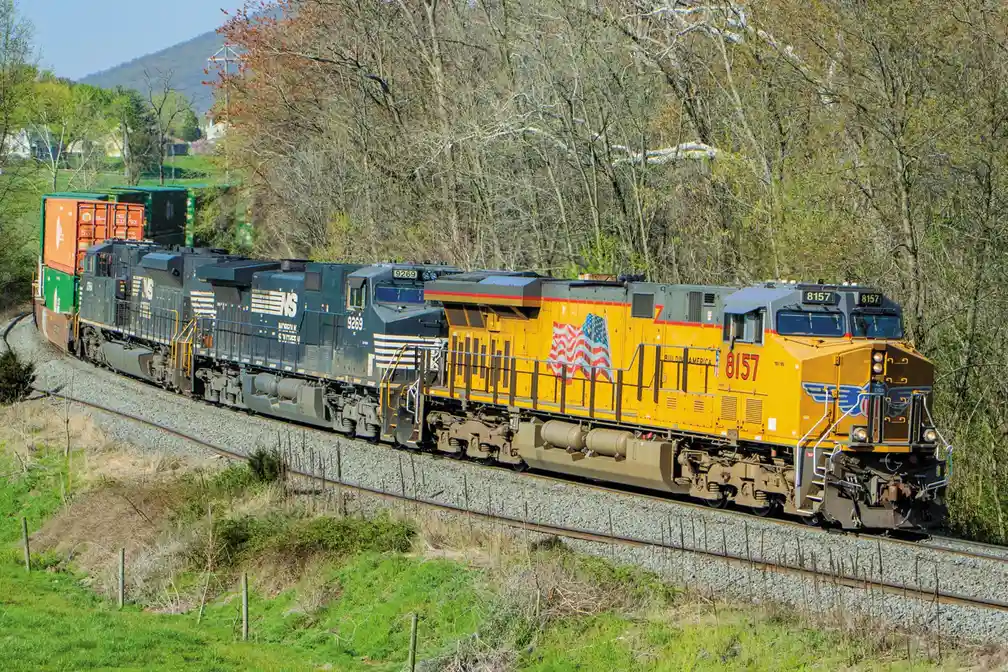
A proposed merger between Union Pacific and Norfolk Southern could reshape how freight moves across the United States, with possible long-term effects for trucking.
The two railroad companies have filed an updated application with the U.S. Surface Transportation Board (STB) seeking approval to combine their networks into what would become a coast-to-coast freight rail system spanning roughly 50,000 miles.
Union Pacific says the merger would create faster rail service, reduce shipping costs, and remove an estimated 2.1 million trucks from U.S. highways each year.
For truck drivers, that claim stands out because it points to a major shift in how some freight could move in the future.
What the Rail Merger Would Change
Today, freight moving by rail across the country often transfers between different railroad companies before reaching its destination. That process can add time, handling, and cost.
Under the proposed merger, Union Pacific and Norfolk Southern say many of those shipments could move on single-line rail service, meaning freight would stay on one railroad system from origin to destination.
According to the companies, the merger would:
- convert 10,000 existing freight lanes from interline service to single-line service
- create 88,000 new county-to-county shipping lanes with new rail access
- add six new manifest train routes
- launch seven new intermodal lanes with seven-day-a-week service
- create a new intermodal connection between Northern California and the Southeast
- add roughly 1.6 million annual intermodal container loads to rail service
Supporters say these changes would make rail more competitive for long-haul freight that now often moves by truck.
How the Rail Merger Could Affect Truck Drivers
Not every truckload can move by rail. Time-sensitive deliveries, short-haul freight, local distribution, refrigerated shipments, and last-mile delivery will still depend heavily on trucks.
However, some freight categories could shift.
Intermodal freight, where containers move by rail for long distances and by truck for pickup and final delivery, is one area that could grow if the merger is approved.
That could mean:
- more long-haul container freight is moving by rail
- fewer trucks on some interstate corridors
- stronger competition for dry van freight in certain lanes
- increased demand for regional drayage and local delivery moves near rail hubs
In other words, the merger may not reduce trucking overall, but it could change where trucking demand is strongest.
Railroads Say There Are Broader Benefits
Union Pacific says moving more freight by rail would bring broader transportation benefits.
The company estimates the merger would:
- remove about 2.1 million trucks annually from highways
- reduce shipping costs by $3.5 billion per year
- cut nearly 3.8 million metric tons of carbon dioxide emissions annually
- lower emissions because rail can produce up to 75% less carbon emissions than trucks, depending on the shipment type and distance
Railroads argue that less highway congestion could improve traffic flow and reduce wear on roads.
Critics Raise Competition Concerns
Not everyone supports the deal.
Competing railroads have raised concerns that combining two major freight carriers could reduce competition in parts of the rail market and give large rail companies greater pricing power.
Some industry voices also question whether promised service improvements will happen as planned.
That matters because large rail mergers are complex. Integrating routes, equipment, labor systems, and technology can take years, and federal regulators will closely review the application before making a decision.
The companies themselves note that many projected benefits are forward-looking statements, meaning expected outcomes are not guaranteed and depend on regulatory approval, economic conditions, and successful integration.
What Trucking Should Watch
For truck drivers, the merger is worth watching because it could influence freight patterns, especially in long-haul lanes where truck and rail already compete.
Key questions include:
- Will intermodal rail take a larger share of long-distance freight?
- Could fewer trucks on highways improve congestion?
- Will regional trucking near rail terminals grow?
- How will shipping rates respond if rail becomes more competitive?
The STB is expected to review the updated filing closely, and the approval process could take more than a year.
For now, the proposed Union Pacific-Norfolk Southern merger remains a plan on paper, but if approved, it could become one of the biggest freight transportation changes in decades.