dayileyvasMay 5, 20263 Mins read399
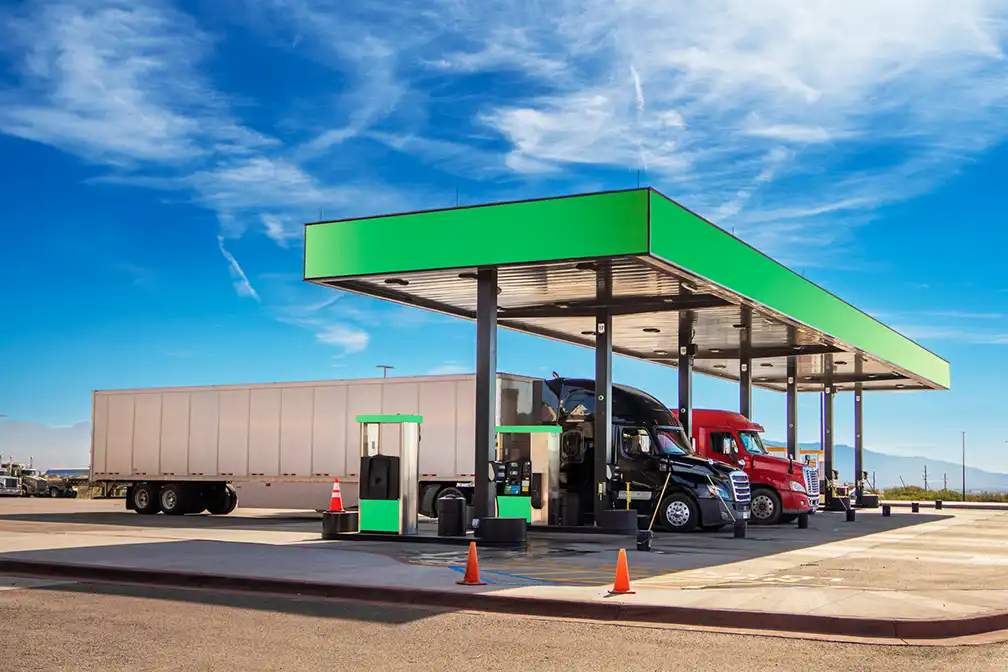
Diesel Prices Jump Sharply Across the U.S. as Fuel Costs Rise Again
Trucking costs moved higher this week as Diesel Prices posted a sharp nationwide increase, led by a major spike in the Midwest and steady gains across nearly every U.S. region.
According to the latest weekly data from the U.S. EIA, the national average price for on-highway diesel climbed to $5.640 per gallon on May 4. That is an increase of 28.9 cents from the previous week’s average of $5.351.
The jump marks one of the largest weekly diesel increases seen this year. It also pushes national diesel costs more than $2.14 per gallon higher than one year ago, adding more pressure to freight operations already dealing with tight margins and changing market conditions.
Midwest Sees the Biggest Diesel Prices Increase
The largest weekly rise in Diesel Prices happened in the Midwest.
Fuel in the region climbed from $5.131 to $5.742 per gallon, a sharp increase of 61.1 cents in one week.
That regional spike stands out because the Midwest is one of the country’s most important freight corridors. Major east-west and north-south truck routes run through states such as Illinois, Indiana, Ohio, Missouri, and Iowa. Higher fuel costs in that region can quickly affect linehaul costs, surcharge calculations, and freight pricing across the national trucking network.
Other regions also posted increases:
- East Coast: up 7.9 cents to $5.504
- Gulf Coast: up 16.6 cents to $5.178
- Rocky Mountain: up 24.7 cents to $5.517
- West Coast: up 10.1 cents to $6.631
- California: up 13.2 cents to $7.360, the highest diesel average in the nation
Even where weekly increases were smaller, diesel remains elevated compared with historic averages.
Global Oil Concerns Help Push Diesel Prices Higher
Another reason Diesel Prices moved up this week is the continued uncertainty in global oil markets.
Over the past several weeks, oil prices climbed sharply as traders watched tensions near the Strait of Hormuz, one of the world’s most important shipping routes for crude oil exports. Roughly one-fifth of global oil trade moves through that narrow waterway, so any disruption there can quickly affect fuel markets worldwide.
More recently, oil prices eased after reports that shipping traffic continued moving through the region. However, markets remain cautious because supply concerns have not fully disappeared. That uncertainty continues to ripple into U.S. fuel markets, including diesel.
For trucking, global oil swings often show up quickly at the pump. When crude markets become unstable, Diesel Prices usually react fast, adding pressure to fleet fuel budgets and owner-operator operating costs.
Rising Crude Oil Costs Add More Pressure
The latest federal crude oil data also shows fuel production costs moving higher.
Recent figures show:
- Domestic crude first purchase prices rose 6.8% to $62.44 per barrel
- Imported crude costs increased 8.3% to $55.83 per barrel
- Refiner acquisition costs for domestic crude climbed 5.4% to $64.77 per barrel
- Composite crude acquisition costs rose to $63.51 per barrel
Higher crude prices usually feed directly into diesel production costs. Since diesel powers freight, agriculture, construction, and manufacturing, demand often stays firm even when prices rise. That can keep diesel markets tight longer than gasoline markets.
Gas Prices Also Rose
Regular gasoline also moved higher this week.
The national gasoline average climbed 32.9 cents to $4.452 per gallon, with the Midwest again posting one of the largest increases, rising 51.5 cents week over week.
Still, gasoline is not the main fuel concern for commercial trucking.
For fleets and owner-operators, Diesel Prices remain one of the largest operating expenses on the road. A sharp weekly jump like this can quickly affect:
- fuel budgets
- fuel surcharge rates
- carrier operating margins
- spot market pricing
- Overall freight costs moving through the supply chain
When diesel rises quickly, trucking often feels the impact first.
What Trucking Should Watch Next
The key question now is whether this week’s increase is temporary or the start of another upward trend in Diesel Prices.
Several factors could shape fuel costs in the coming weeks:
- refinery output levels
- crude oil price movement
- global supply concerns
- seasonal freight demand
- broader economic conditions affecting diesel use
For now, the latest data shows one clear trend: Diesel Prices are moving sharply higher again, and fuel costs are back in focus across the trucking industry.
RELATED: Diesel Prices Follow a Better Trend Across the U.S, Latest Spot Market Results: Season Trends Seen Industry-Wide & New Truck Traffic Ban in PA: Improved Safety the Goal