Vincent ShakirApril 30, 20264 Mins read285
California Opens Door to Autonomous Trucks Under New DMV Rules
New California Rules Allow Autonomous Trucks in Freight Testing
California has approved a major new set of autonomous vehicle rules. These rules now allow heavy-duty autonomous trucks to be tested and deployed on public roads.
The new regulations were adopted April 28 by the California Department of Motor Vehicles. They mark a major change in how the state handles self-driving vehicle technology. Until now, California did not allow autonomous vehicles weighing more than 10,000 pounds to operate under its AV permit system. That ban has now been lifted.
Under the new rules, autonomous vehicle manufacturers can apply for permits for heavy-duty trucks used in freight operations. This opens California to larger self-driving commercial vehicles for the first time. For the trucking industry, this is an important shift.
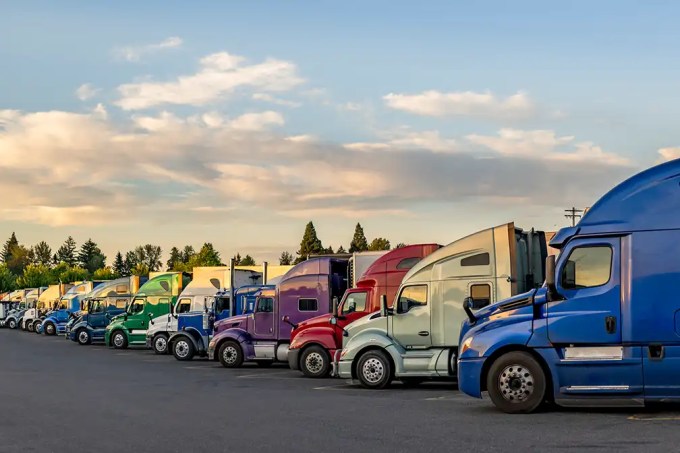
Autonomous truck companies have spent years testing in states such as Texas and Arizona. California had remained closed to that kind of freight testing. That is no longer the case. California is now building an official legal path for autonomous trucks to enter one of the busiest trucking markets in the country.
Autonomous Trucks Must Follow Normal Laws
The California DMV says autonomous freight trucks will still have to follow normal commercial vehicle laws. The new rules do not give these trucks special treatment.
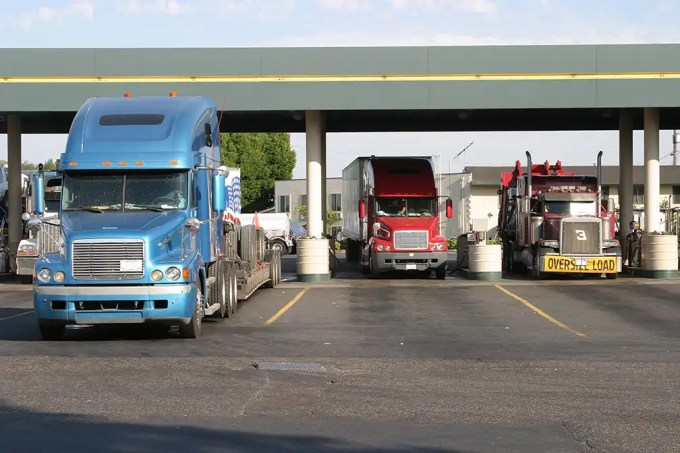
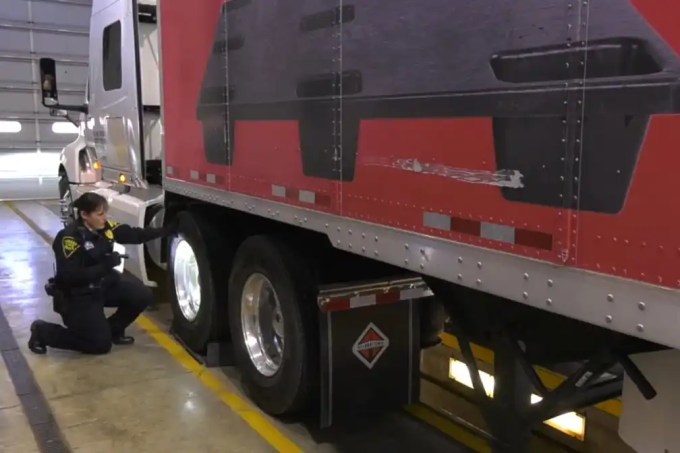
Heavy-duty autonomous vehicles must still stop at California Highway Patrol weigh stations. They must also follow all state and federal commercial motor vehicle requirements. That means these trucks will still face the same scales, inspections, and enforcement areas used by regular carriers.
This matters to truck drivers because autonomous trucks will not be separated from normal freight traffic.
These trucks will operate on the same highways. They will move through the same port areas, warehouse zones, and mountain passes. They will also pass through the same weigh stations and inspection points.
As more permits are issued, commercial drivers in California will likely begin seeing more autonomous trucks sharing road space.
California Requires Long Testing Process for Autonomous Trucks
The state is not allowing autonomous truck companies to move straight into full commercial operation. Instead, California created a multi-step permit process.
Manufacturers must first test with a human safety driver in the vehicle. After that, they must complete driverless testing. Only then can they apply for commercial deployment.
The DMV is also requiring a large amount of testing miles. Heavy-duty autonomous vehicle companies must complete 500,000 miles of testing during each phase of the permit process.
Manufacturers must also submit a structured safety case. This report must show that the truck’s hardware, software, and operating system meet California’s safety standards. In simple terms, California wants proof that the vehicle can safely function before it is allowed to move freight under a commercial permit.
For truck drivers, this means driverless freight trucks are not being released overnight. The state is forcing AV companies through a long review and testing system first.
Police and DMV Now Have Stronger Control Over AV Companies
California’s new rules also give more power to law enforcement and state regulators. If an autonomous vehicle commits a moving violation, law enforcement agencies can now issue what is called a Notice of AV Noncompliance. This creates a direct reporting process when an autonomous vehicle breaks traffic laws.
The California DMV can also place limits on autonomous vehicle companies if public safety becomes a concern. Those limits may involve fleet size. They may also involve speed, weather conditions, or the areas where the vehicles are allowed to operate.
In more serious cases, the DMV can suspend or restrict a manufacturer’s permit. That means autonomous truck companies will be under close watch once they begin operating in freight lanes. This is especially important in busy commercial areas where any unsafe movement by a large truck can quickly affect surrounding traffic.
New Emergency Rules
California also added several rules dealing with crashes, closures, and emergency scenes. Autonomous vehicle manufacturers must now have two-way communication systems. Those systems must respond to first responder calls within 30 seconds.
Companies must also update first responder plans every year. In addition, emergency crews must have access to manual override systems if needed.
The new regulations also allow local emergency officials to create electronic geofencing zones during public safety incidents. These are temporary restricted areas placed around an emergency scene. When that happens, autonomous vehicles are not allowed to enter the zone. If an autonomous vehicle is already inside the area, the manufacturer must direct it to leave within two minutes.
Companies that fail to obey those orders could face permit restrictions or suspension. For truck drivers, this means California wants autonomous trucks to clear accident scenes and emergency areas quickly instead of becoming another roadside obstacle.
DMV to Collect More Safety Data
The California DMV is also expanding what autonomous vehicle companies must report. Manufacturers will now have to report system failures, hard braking events, vehicle immobilizations, collision details, and total vehicle miles traveled.
This gives the state more detailed information on how autonomous trucks perform in real traffic. California also adopted new standards for remote operations workers. These are the off-site personnel who may help guide or assist autonomous vehicles from another location.
The state says those workers must now meet licensing, training, and permit standards. This shows California is not simply opening the road and stepping away. The state is putting a much larger tracking and oversight system in place as autonomous freight vehicles begin entering the market.
California Becomes Major State to Watch for Autonomous Trucks
California handles some of the largest freight volumes in the United States. Its ports, warehouse districts, and interstate corridors move a huge amount of commercial traffic every day. Because of that, this regulatory change carries weight across the trucking industry.
By removing the old ban on autonomous vehicles over 10,001 pounds, California is giving autonomous freight companies access to one of the most important shipping states in the country. Some parts of the new rules are already active. Other parts will take effect over the next several months.
As those deadlines arrive, truck drivers may begin seeing more autonomous test vehicles, including larger freight trucks, on California roads. The rules do not mean driverless trucks will suddenly be everywhere. But they do mean California has officially entered the next stage of autonomous truck development.