dayileyvasJune 17, 20263 Mins read298
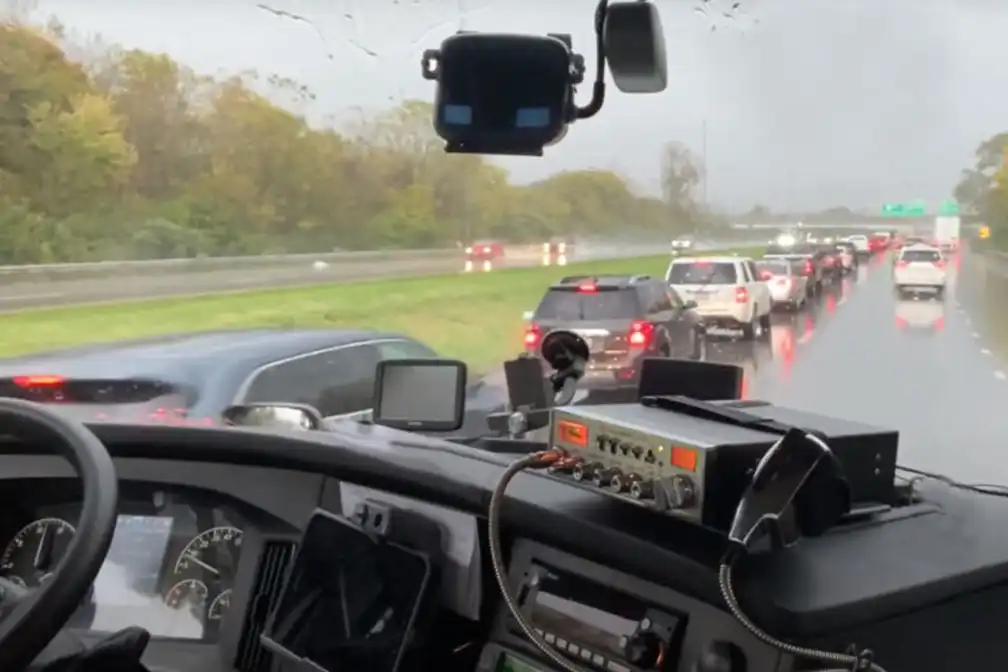
ATRI Launches New Driver-Facing Cameras Study, Seeks Fleet Data
ATRI Looking for Real-World Safety Data on Driver-Facing Cameras
The American Transportation Research Institute (ATRI) is asking motor carriers to participate in a new research project focused on the safety impacts of driver-facing cameras (DFCs).
The study, titled Safety Impacts of In-Cab Monitoring, aims to determine whether driver-facing cameras are linked to measurable improvements in fleet safety and operational performance. ATRI says data collection is now open and will continue through July 24, 2026. The research organization is seeking participation from carriers that have fully deployed driver-facing cameras across their fleets.
The new effort builds on ATRI’s previous research examining truck driver attitudes toward DFCs and other in-cab monitoring technologies. That earlier research found significant concerns about privacy among drivers, but it also identified carrier policies and management strategies that increased driver acceptance of the technology.
Why This Research Matters
Supporters argue that the systems can help identify risky behaviors, reduce crashes, improve coaching programs, and provide evidence during accident investigations. Critics often raise concerns about privacy, monitoring practices, and how camera footage may be used by carriers.
ATRI hopes this latest study will move the discussion beyond opinions by collecting actual before-and-after safety data from fleets that have implemented driver-facing cameras.
According to ATRI, researchers will analyze whether statistical relationships exist between the deployment of in-cab monitoring systems and changes in safety outcomes. The study will also examine how carriers manage camera data, coach drivers, and use monitoring systems to improve safety performance.
The results could help fleets make future technology investments while also providing drivers with better information about the real-world impacts of driver-facing cameras.
What Data Carriers Will Be Asked to Provide
Participating carriers will be asked to compare two separate one-year periods:
- A one-year period before driver-facing cameras were deployed.
- A one-year period after driver-facing cameras were fully deployed throughout the fleet.
For each period, ATRI is requesting detailed safety and operational data, including:
Crash and Safety Metrics
Carriers will be asked to report:
- Total fleet mileage.
- Total DOT-reportable crashes.
- Tow-away crashes.
- Injury crashes.
- Fatal crashes.
- Crashes determined by FMCSA to be non-preventable.
- Moving violations and citations.
- Unsafe Driving CSA scores.
- Seatbelt violations.
- Hand-held mobile device violations.
- Hours-of-service violations.
Driver Behavior Alerts
The survey also requests information on safety events captured by onboard systems, including:
- Speeding alerts.
- Hard-braking alerts.
- Following-distance alerts.
- Lane-departure alerts and weaving events.
Other Safety Technologies
To help researchers isolate the effects of driver-facing cameras, carriers will also identify whether they were using other technologies before, during, or after deployment, including:
- Lane departure warning systems.
- Forward collision warning systems.
- Automatic emergency braking.
- Speed limiters.
- Adaptive cruise control.
- Road-facing cameras.
- Blind-spot monitoring systems.
- Backup cameras and sensors.
- Electronic stability control.
ATRI Also Wants Feedback on Driver-Facing Cameras Policies
In addition to safety statistics, ATRI is collecting information about how fleets use driver-facing cameras.
Participating carriers will be asked whether their systems:
- Record only during safety events.
- Continuously record activity.
- Are used for driver coaching.
- Are used for disciplinary purposes.
- Include privacy modes during off-duty periods.
- Use artificial intelligence for behavior monitoring or coaching.
Researchers are also providing space for carriers to share additional comments and insights about their experiences deploying the technology.
Why Carrier Participation Is Important
ATRI says all submitted data will remain confidential and that published results will only be presented in an aggregated, non-identifying format.
Because driver-facing cameras continue to generate strong opinions across the industry, the quality of the final research will depend heavily on participation from fleets that have firsthand experience with the technology.
For carriers, the study provides an opportunity to help shape future discussions about safety technology investments, driver coaching programs, litigation defense strategies, and privacy protections. For drivers, the findings could offer valuable insight into whether driver-facing cameras are producing measurable safety benefits and which deployment practices are associated with the best outcomes.
ATRI’s data collection period will remain open through Friday, July 24, 2026.