dayileyvasMay 27, 20263 Mins read394
British Columbia Passes Dash Cameras Requirement for Commercial Trucks
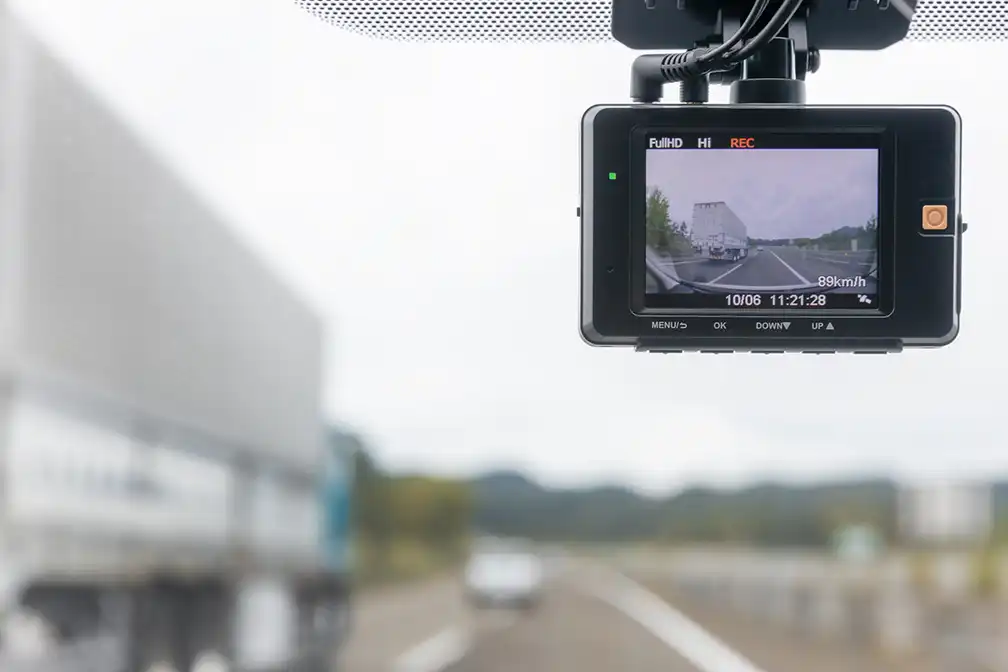
A new law in British Columbia will require commercial trucks to use forward-facing dash cameras. This makes the province the first jurisdiction in Canada to mandate the technology for commercial vehicles.
The legislation, known as Bill M217, or the Dashboard Cameras in Commercial Vehicles Act, recently passed third reading in the British Columbia Legislature with unanimous support from lawmakers. The bill was introduced by Kamloops-North Thompson MLA Ward Stamer and is expected to take effect six months after receiving Royal Assent.
Supporters say the measure could improve highway safety, speed up crash investigations, and provide evidence that protects professional truck drivers when they are not at fault in a collision.
New Law Requires Outward-Facing Dash Cameras
Under the legislation, commercial trucks operating on British Columbia highways will be required to use outward-facing dashboard cameras.
According to Stamer, the bill was inspired by concerns raised after several fatal crashes along Highway 5 in British Columbia. He first advocated for mandatory dash cameras in 2023 while serving as mayor of Barriere.
“This bill started with families along Highway 5 who have buried loved ones after preventable crashes,” Stamer said in a statement announcing the bill’s passage.
“Dash cameras save lives. They hold drivers accountable. And they make sure that when a crash happens, the evidence is there, not lost, not disputed, not buried in a year-long investigation.”
The legislation received support from members of all political parties in the provincial legislature.
Trucking Industry Groups Backed the Proposal
The British Columbia Trucking Association supported the proposal during the legislative process.
According to supporters of the bill, commercial drivers are often not responsible for crashes involving large trucks. The association has stated that between 75% and 80% of collisions involving a commercial vehicle are not the fault of the commercial driver.
Advocates argue that forward-facing cameras can provide immediate video evidence following a crash. As a result, investigations may move more quickly, and disputes about fault may be resolved faster.
The concept has been discussed in British Columbia for several years. In 2023, the British Columbia Chamber of Commerce formally recommended that the provincial government evaluate mandatory dashboard cameras for commercial trucks.
The chamber cited several potential benefits, including:
- Improved highway safety
- Evidence in crash investigations
- Better driver accountability
- Reduced insurance and accident-related costs
- Fewer disruptions to freight movement after major crashes
Supporters also pointed to data showing that large trucks account for less than 1% of all crashes in British Columbia but are involved in nearly 20% of fatal collisions.
Privacy Concerns Addressed in the Final Bill
One issue discussed during the bill’s review process involved driver privacy.
To address those concerns, the legislation applies only to cameras facing outward toward the roadway. The law does not require cameras inside truck cabs.
Supporters said limiting the requirement to outward-facing cameras allows fleets and regulators to collect crash evidence while avoiding concerns about constant monitoring of drivers inside the vehicle.
The British Columbia Chamber of Commerce had previously recommended that any dashboard camera program include guidelines for privacy protections and the storage of recorded data.
Why Dash Cameras Have Become More Common in Trucking
Dash cameras have become increasingly common throughout the trucking industry in recent years.
Many fleets already use forward-facing cameras to document traffic conditions, record incidents, and help defend drivers involved in collisions. Some insurance companies also offer incentives to fleets that adopt camera systems.
Industry groups argue that recorded footage can provide an objective account of events following a crash. In some cases, video evidence may help clear drivers of responsibility when another motorist causes an accident.
Supporters of the British Columbia law believe a province-wide requirement will expand those benefits across the commercial transportation sector.
What This Means for U.S. Truck Drivers
The new law applies only to commercial vehicles operating in British Columbia and does not create any new federal requirements for truck drivers in the United States.
However, the legislation could still affect some U.S.-based carriers.
American trucking companies that operate routes into British Columbia may eventually need to ensure their vehicles comply with the province’s dash camera requirements. Carriers involved in cross-border freight should watch for implementation details as the law moves toward its effective date.
The measure could also attract attention from transportation officials and industry groups elsewhere in North America. If the program is viewed as successful, other provinces or states may examine whether similar requirements could improve safety and crash investigations.
For now, British Columbia stands alone as the first Canadian jurisdiction to require outward-facing dash cameras in commercial trucks, marking a notable policy change for the trucking industry.