Vincent ShakirMay 27, 20266 Mins read477
Supreme Court Denial Leaves Non-Domiciled CDL Fight Unresolved
Supreme Court Rejects Florida Non-Domiciled CDL Lawsuit
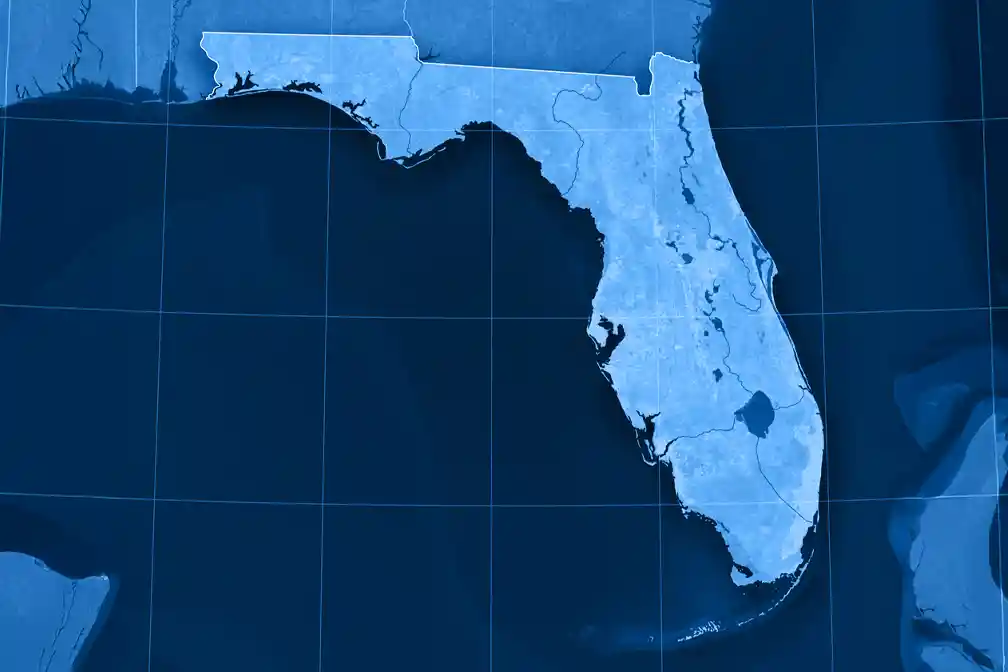
The U.S. Supreme Court has declined to hear a lawsuit from Florida against California and Washington regarding non-domiciled CDL rules.
The case focused on how those states issue commercial driver’s licenses to some foreign drivers. It also raised questions about English skills, immigration status, and CDL testing rules.
The Court issued its order on May 26, 2026. The order was short. It denied Florida’s request for permission to file a bill of complaint against the two states. The Court did not give a full reason for the denial.
Justice Clarence Thomas dissented from the decision. Justice Samuel Alito joined him. Thomas argued that the Court should have allowed Florida’s case to move forward.
The decision does not settle the main trucking issue. The Court did not rule on whether California or Washington violated federal CDL rules. It also did not decide whether either state issued CDLs in an improper way.
Instead, the ruling means Florida’s claims will not move forward in that court.
For the trucking industry, the case leaves a much larger question unresolved. That question is how states issue a non-domiciled CDL or other CDLs to foreign drivers. It also raises concerns about whether all CDL holders meet federal rules for testing, English skills, and legal status.
Florida’s Case Was Tied To A Fatal Truck Crash
Florida’s lawsuit was linked to a fatal crash on the Florida Turnpike.
The crash happened on August 12, 2025. According to Justice Thomas’ dissent, truck driver Harjinder Singh was driving a tractor-trailer when he tried to make a U-turn across the median. The area was marked for official use only.
The dissent says Singh’s trailer blocked both lanes of traffic. A minivan traveling behind the truck could not avoid the crash. All three people in the minivan died.
Singh was later arrested for vehicular homicide.
The dissent also says law enforcement later found that Singh likely could not read road signs. After the crash, the Federal Motor Carrier Safety Administration tested Singh’s English skills. According to the dissent, FMCSA found that Singh could not answer most verbal questions in the test. It also found that he could identify only one out of four highway signs.
That crash became part of a wider fight over CDL standards.
Florida argued that California and Washington had issued CDLs in ways that conflicted with federal law.
What Florida Claimed Against California And Washington
Florida accused California and Washington of going against federal law.
The state claimed the two states gave commercial driver’s licenses to illegal aliens who could not read English. The dissent says federal law and rules bar states from issuing CDLs unless applicants meet certain standards. Those standards include passing a driver test, understanding English, and showing proper immigration status.
According to the dissent, Singh failed his CDL test at least 10 times in Washington. The dissent also says he failed at least one time in California. Even so, it says both states later provided Singh with CDLs.
The document also says Washington later admitted it made a mistake when it licensed Singh. The dissent cites reports saying Washington also admitted mistakes involving 685 other non-citizens who were issued full-term CDLs.
California’s role was different. According to the dissent, California issued Singh a non-domiciled CDL. The dissent says California stated that Singh first failed his driver test, but later passed before the license was issued.
Florida also made a broader legal claim. It argued that California and Washington laws conflicted with federal law if those laws stopped licensing officials from asking applicants about immigration status. Florida also argued that the two states’ licensing practices created a public nuisance.
The Supreme Court did not rule on those claims. It did not decide whether they were right or wrong. The Court only denied Florida’s request to bring the case.
Why The Non-Domiciled CDL Case Matters To Trucking
This case matters to trucking because it touches several issues that are already under close watch.
The first issue is English proficiency. Federal rules require commercial drivers to meet certain English standards. The dissent ties that issue to road signs, highway safety, and the ability to operate a heavy tractor-trailer safely.
The second issue is non-domiciled CDL oversight. A non-domiciled CDL is used for certain drivers who are not domiciled in the state that issues the license. The source material says California issued Singh a non-domiciled CDL. It also says federal rules at the time required a valid work authorization.
The third issue is state licensing consistency. Truck drivers cross state lines every day. A CDL issued in one state is used in many other states. If one state’s CDL process is questioned by another state, it can create doubt across the industry.
That matters for drivers. It also matters for carriers, safety teams, recruiters, and compliance officers.
The Supreme Court did not settle those questions. As a result, the trucking industry may continue to see legal and regulatory attention on CDL eligibility.
Possible Impact On Commercial Truck Drivers
Most CDL holders will not see a direct change from this Supreme Court order.
The Court did not change federal CDL rules. It did not create a new English proficiency rule. It did not order any state to revoke licenses or rule that any CDL is invalid.
Still, the case could matter to drivers in several ways.
Drivers with a non-domiciled CDL may face more review as states and federal officials look more closely at licensing practices. Drivers whose CDLs were issued under disputed or mistaken conditions could face new checks if agencies find problems.
Foreign drivers and CDL applicants may also see closer reviews. Those reviews may involve work authorization, immigration status, and English skills. Those issues were central to Florida’s claims.
Company drivers and owner-operators may also feel indirect effects.
Fatal crashes involving commercial trucks often bring more public attention to the whole industry. They can also lead to more pressure on regulators and law enforcement. That may mean more roadside checks, closer review of driver records, and tighter hiring standards from carriers.
The case may also affect how drivers view fairness in the industry. Some drivers may see this as a question of whether all CDL holders are being held to the same rules. Others may see it as part of a larger debate over how states and federal agencies handle foreign CDL applicants.
Either way, the issue is likely to remain part of the trucking policy debate.
What Carriers And Compliance Teams Should Watch
Motor carriers may have the most practical reason to follow this story.
Carriers are responsible for making sure their drivers are qualified. A valid CDL is a key part of that process. But this case raises a hard question. What happens if a state-issued CDL is later questioned?
That could create problems for fleets.
If a driver’s CDL was issued by mistake, or if questions later arise about whether the driver met federal rules, a carrier may face risk. That risk could involve compliance, insurance, lawsuits, or safety audits.
The case does not mean carriers should assume every non-domiciled CDL is a problem. It also does not mean every foreign driver is unqualified.
But it does show why careful checks matter.
Safety departments and compliance officers may want to pay close attention to driver qualification files. They may also want to review CDL status, work documents when needed, and English proficiency rules.
Recruiters may also need to watch this issue closely. If rules around non-domiciled CDL holders become stricter, some applicants may need more records before they can be hired. That could slow the hiring process for some fleets.
It could also affect driver supply in some parts of the industry.
The Legal Fight Is Not Fully Over
The Supreme Court’s decision ends this specific attempt by Florida to sue California and Washington in the nation’s highest court.
But it does not end the national debate over CDL standards.
Justice Thomas argued that the Supreme Court should not refuse to hear disputes between states when no other court can hear them. He wrote that Florida had no other judicial forum for this type of case against California and Washington.
That legal issue may matter in future state disputes. But for trucking, the more important issue is practical.
States, federal agencies, carriers, and drivers are still dealing with the same core question: who should qualify for a CDL, and how should those rules be enforced?
That question has not gone away.
Non-Domiciled CDL Standards Remain Under Scrutiny
The main takeaway for the trucking industry is clear.
The Supreme Court did not resolve the fight over the non-domiciled CDL issue. It also did not settle the debate over English proficiency or state licensing practices.
Florida’s lawsuit will not move forward at the Supreme Court. But the concerns raised in the case remain active in trucking.
Those concerns include highway safety, CDL testing, license accuracy, state oversight, and carrier responsibility.
For commercial truck drivers, the issue is bigger than one court order. It is also bigger than one fatal crash.
The larger question is whether CDL standards are being applied the same way across the country. Truck drivers operate under federal rules every day. Many also work across several states in the same week.
That makes consistent CDL enforcement important.
When drivers, carriers, and states do not follow the same standards, it can create safety concerns. It can also create confusion for fleets and drivers who are trying to stay compliant.
The Supreme Court’s denial did not answer those concerns.
For now, the non-domiciled CDL licensing fight remains unresolved.