New Turnpike Toll Rates Approved for 2027: What Truck Drivers Need to Know
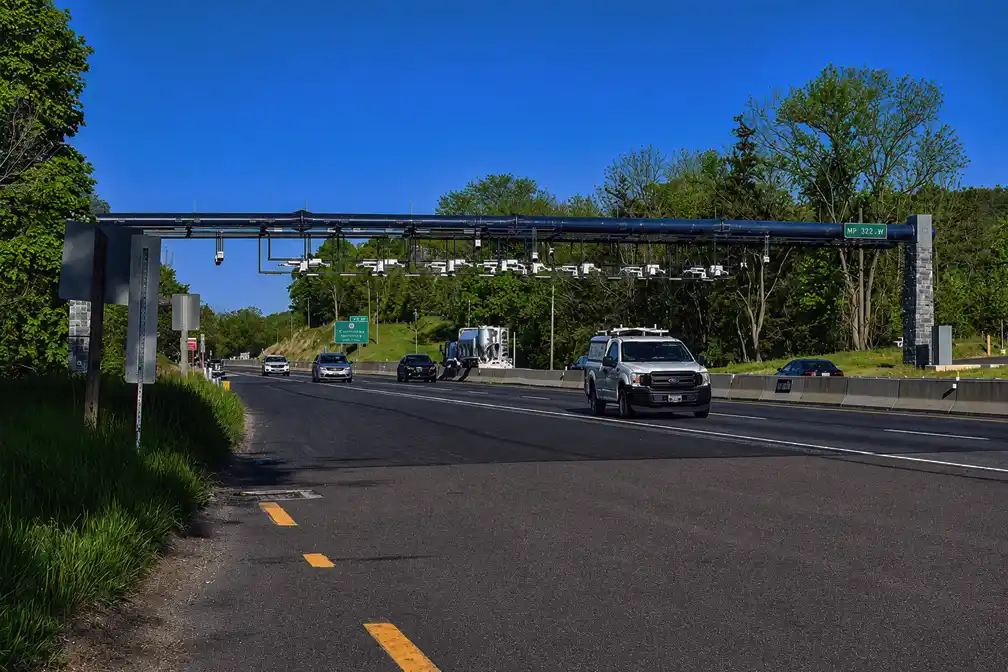
The Pennsylvania Turnpike Commission has approved new Turnpike Toll Rates that will take effect on January 3, 2027, continuing the annual increases that have been in place for nearly two decades. While the latest increase is smaller than in recent years, it will still affect commercial carriers that regularly travel through one of the nation’s busiest toll highways.
The Commission says the new rates are necessary to meet long-term financial obligations created by state law while continuing to maintain and operate the Turnpike system. Officials also note that the 2027 increase is the lowest annual toll increase since 2014.
New Turnpike Toll Rates Take Effect in January
The approved Turnpike Toll Rates represent a 3.5% increase across the Pennsylvania Turnpike system beginning January 3, 2027. The increase was approved during the Commission’s July meeting and follows the financial plan established under Pennsylvania’s Act 44.
On the Turnpike’s mainline and Northeast Extension, where tolls are based on both the distance traveled and the number of roadway segments used, the per-mile rate will increase from 7.3 cents to 7.5 cents, while the segment fee will rise from $1.13 to $1.17. Toll amounts will continue to be rounded to the nearest cent. Other sections of the Turnpike that do not use segment-based pricing will receive a standard 3.5% increase.
Although the increase applies to all vehicles, commercial trucks that travel long distances on the Turnpike will see the greatest impact because of the higher toll classifications assigned to heavy vehicles.
E-ZPass Remains the Lowest-Cost Option
Trucking companies and owner-operators using E-ZPass will continue to receive the lowest toll rates available on the Pennsylvania Turnpike.
According to the Commission, drivers who use E-ZPass pay approximately 50% less than those billed through Toll By Plate. More than 85% of Turnpike customers already use E-ZPass because of the lower costs and faster travel through the toll system.
For fleets that frequently operate through Pennsylvania, the savings can add up over hundreds of trips each year, making E-ZPass an important tool for controlling operating expenses.
The Commission also notes that drivers can estimate trip costs before traveling by using the PA Turnpike Toll Calculator, allowing carriers to better plan routes and budgets.
Why Turnpike Toll Rates Continue to Increase
Many truck drivers ask why tolls continue to rise nearly every year.
According to the Pennsylvania Turnpike Commission, the annual increases are largely tied to Act 44, legislation passed in 2007 and later amended by Act 89 in 2013. Instead of increasing statewide transportation taxes, the law requires the Commission to help fund transportation projects across Pennsylvania using toll revenue while also paying debt associated with those obligations.
Since 2008, the Commission says it has contributed more than $8 billion toward statewide transportation funding. Officials also point out that before Act 44 became law, the Pennsylvania Turnpike increased tolls only five times during its first 64 years of operation.
The entire 2027 toll increase will be used to repay existing Act 44 debt service rather than fund new Turnpike construction projects, according to the Commission.
Toll Revenue Funds Turnpike Operations
Unlike many highways, the Pennsylvania Turnpike does not receive state tax dollars for its day-to-day operations. Instead, the roadway relies primarily on toll revenue to maintain the system and provide services to motorists.
According to the Commission, toll revenue helps fund:
- Highway maintenance and infrastructure improvements.
- Twenty-four-hour roadside assistance.
- Seventeen service plazas located along the Turnpike.
- A dedicated Pennsylvania State Police troop assigned to the roadway.
- Snow removal and year-round maintenance operations.
Officials say they have also focused on controlling spending and managing debt while continuing to modernize the Turnpike’s tolling system. They maintain that, despite the annual increases, Pennsylvania’s toll rates remain in the middle range compared with other major toll roads, bridges, and tunnels across the United States.
What the New Turnpike Toll Rates Mean for Truck Drivers
For truck drivers, the latest increase means slightly higher transportation costs beginning in January 2027.
Carriers that operate regularly along Interstate 76 and the Pennsylvania Turnpike corridor will likely factor the new toll expenses into future operating budgets and freight pricing. While the 3.5% increase is smaller than previous annual adjustments, it continues a long-running trend that has become a predictable cost of doing business in Pennsylvania.
Drivers and fleets that already use E-ZPass will continue to receive the lowest available rates, while those relying on Toll By Plate can expect significantly higher charges. As fuel, maintenance, insurance, and labor costs remain important concerns across the trucking industry, toll expenses continue to be another operating cost that carriers must manage when planning routes through the state.
 dayileyvasJuly 24, 20263 Mins read629