dayileyvasJuly 17, 20262 Mins read226
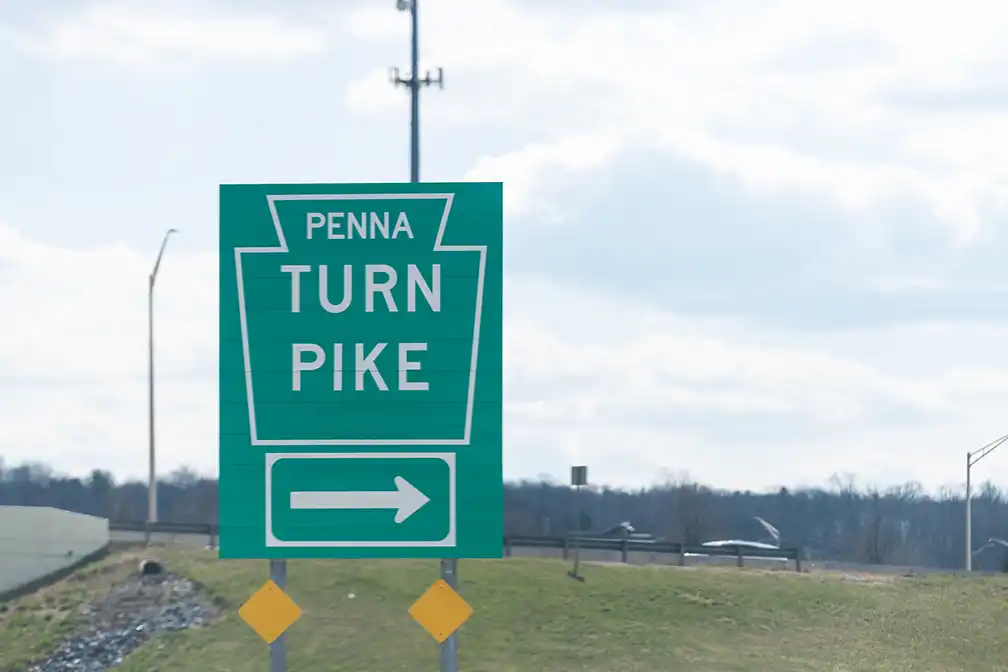
PA Turnpike, State Police Expand Toll Enforcement
The PA Turnpike and the Pennsylvania State Police (PSP) have announced the results of a joint enforcement initiative aimed at drivers with unpaid tolls, suspended vehicle registrations, and other traffic violations.
According to the Pennsylvania Turnpike Commission (PTC), the operation targeted motorists who continued using the highway despite having vehicle registrations suspended because of unpaid tolls. Officials said the initiative is part of an ongoing effort to improve compliance with Pennsylvania’s electronic tolling system while supporting highway safety.
PA Turnpike Enforcement Results
The Pennsylvania Turnpike Commission said officers conducted more than 200 traffic stops during enforcement operations held in April.
According to the agency:
- More than 90% of the stopped drivers resolved or began resolving their unpaid toll obligations.
- One enforcement day resulted in the collection of more than $48,000 in outstanding tolls.
- Officials estimate an additional $130,000 in unpaid tolls could be recovered from drivers contacted during the operation.
- One driver allegedly owed more than $100,000 in unpaid tolls.
The agencies said similar enforcement efforts are expected to continue throughout the year.
When Unpaid Tolls Can Affect Registration
Officials reminded drivers that Pennsylvania law allows vehicle registrations to be suspended when a registered owner accumulates:
- Four unpaid Toll By Plate invoices, or
- At least $250 in unpaid tolls and administrative fees.
According to the Pennsylvania Turnpike Commission, more than 200,000 warning notices have been issued since 2018, and approximately 67,000 vehicles currently have suspended registrations because unpaid toll obligations have not been resolved.
Drivers operating a vehicle with a suspended registration may face additional penalties under Pennsylvania law.
How the PA Turnpike Electronic Toll System Works
The PA Turnpike converted to all-electronic tolling, eliminating traditional cash toll booths across the highway.
Drivers using E-ZPass pay tolls automatically through a transponder, while those without an E-ZPass account travel using Toll By Plate. Cameras record the vehicle’s license plate, and an invoice is mailed to the registered owner.
If invoices remain unpaid, late fees may be added. Continued nonpayment can eventually result in collections and registration suspension.
Broader Enforcement Efforts Continue
The latest operation is part of a broader enforcement strategy on the PA Turnpike.
In recent months, the Pennsylvania Turnpike Commission has expanded partnerships with the Pennsylvania State Police to conduct joint traffic enforcement operations targeting unpaid tolls, aggressive driving, and other roadway violations.
The Commission has also worked with the Pennsylvania Attorney General’s Office to strengthen toll collection efforts involving motorists with significant outstanding balances.
Officials said these partnerships are intended to improve compliance while promoting fairness for customers who regularly pay their tolls.
What Truck Drivers Should Know
Commercial trucks make up a significant share of traffic on the PA Turnpike, making electronic tolling part of many carriers’ day-to-day operations.
Although the recent enforcement campaign primarily targeted drivers with suspended registrations and unpaid tolls, it serves as a reminder for motor carriers and owner-operators to ensure toll accounts remain current and that Toll By Plate invoices are addressed promptly.
The Pennsylvania Turnpike Commission noted that toll revenue funds the operation, maintenance, and improvement of the highway system because the roadway does not receive tax dollars for its daily operations.
RELATED: New Love’s Location Opens in Alabama on I-22, NTDAW Deals and Free Items for Truckers: Know It All & Latest from CVSA: When to Place Drivers Out of Service