Vincent ShakirNovember 18, 20265 Mins read56
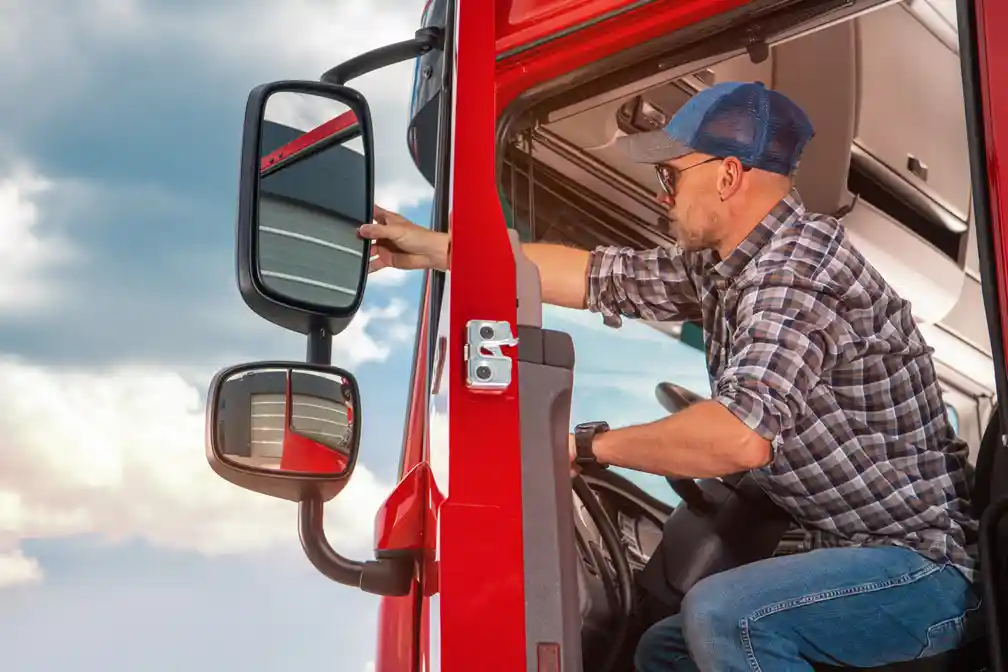
FMCSA Weighs New Plan to Replace Truck Mirrors
The Federal Motor Carrier Safety Administration (FMCSA) is reviewing a new request that could allow more commercial trucks to replace traditional truck mirrors with cameras and screens inside the cab.
The request comes from Safety Vision, LLC. The company wants federal approval for its View Smart camera system as an alternative to the two side mirrors now required on commercial trucks.
FMCSA published the notice on November 18, 2026. The agency is seeking public comments before making a decision.
If approved, the exemption would give motor carriers another option for how drivers view traffic around their trucks. However, the agency has not yet approved the request.
How Cameras Could Replace Traditional Truck Mirrors
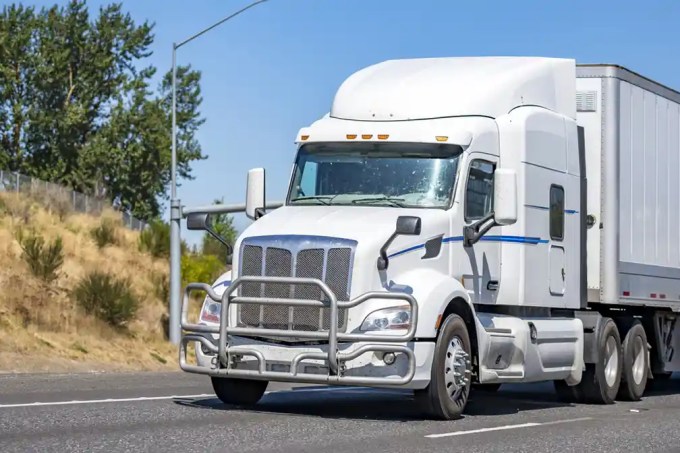
Federal rules generally require commercial trucks operating in interstate commerce to have a mirror on each side. These mirrors must allow drivers to see traffic behind and alongside their vehicles.
Safety Vision wants to replace those mirrors with its View Smart camera system.
The system uses weatherproof cameras mounted on both sides of a truck. Each camera has two lenses that provide different views of the road.
Video from the cameras appears on screens inside the cab. The screens are mounted near the windshield pillars on each side of the driver.
According to Safety Vision, this setup gives drivers a wider view than standard mirrors.
The company also says its system can reduce blind spots. Smaller camera housings may remove some of the areas blocked by large side mirrors.
These are claims made by Safety Vision in its application. FMCSA has not yet determined whether this system provides the same level of safety as traditional mirrors.
What the Change Could Mean for Truck Drivers
Truck drivers depend on their mirrors throughout the day. They use them when changing lanes, turning, backing, and checking traffic around their trailers.
A camera system could change how drivers perform these tasks.
Instead of looking at large mirrors outside the cab, drivers would watch video screens. These screens would show the areas captured by the cameras.
Safety Vision says its system can also provide warnings when vehicles or people get close to the truck.
The cameras can detect objects within certain areas. The system can then highlight nearby vehicles or pedestrians on the screen and sound an alert.
This feature could be useful when making tight turns or moving through crowded areas.
The company also claims the system provides better views in low light. Its screens can adjust their brightness as lighting conditions change.
For drivers working at night or in poor light, these features could offer another way to watch nearby traffic.
However, the actual benefits would depend on how well the system performs during daily use.
Safety Questions Remain About Truck Mirror Cameras
While camera systems may offer better views in some situations, they also raise questions about equipment reliability.
Traditional truck mirrors work without electricity. Camera systems depend on cameras, screens, and electrical parts.
Drivers may need to know what happens if a camera stops working or a screen loses its video feed.
Weather is another concern. Snow, ice, mud, and road salt can collect on equipment mounted outside a truck.
These conditions raise questions about how well cameras maintain a clear view during long trips.
Drivers may also need time to adjust to watching screens instead of traditional mirrors.
These are general concerns about camera-based equipment. They are not confirmed problems with Safety Vision’s system.
The company’s application describes its cameras as weatherproof. However, the published notice does not provide detailed independent test results about equipment failures or performance in severe weather.
FMCSA must review the application and safety information before deciding whether the equipment offers safety equal to or better than traditional mirrors.
Other Truck Mirror Camera Systems Already Have Approval
Safety Vision is not the first company to seek federal approval for this technology.
FMCSA has already granted exemptions for several camera systems that can replace truck mirrors.
For example, Stoneridge has an exemption for its MirrorEye system. That exemption runs through February 12, 2029.
Vision Systems North America also has approval for its Smart-Vision system. Its exemption runs through January 15, 2030.
Other approved systems include products from Convoy Technologies, Safe Fleet, and Rosco Vision.
In July 2024, FMCSA approved another system that uses cameras instead of standard mirrors. That decision is covered in TruckDriverNews.com’s earlier report on Convoy Technologies’ camera system approval.
These approvals show that mirrorless technology is already permitted on some commercial vehicles.
However, each exemption applies to specific equipment and includes its own conditions.
In a separate exemption for Vision Systems North America, FMCSA requires drivers to check the camera system before operating their vehicles.
Drivers must also inspect the system at the end of the day and report defects. Carriers must repair those defects before operating the trucks again.
Those requirements do not automatically apply to Safety Vision. They show how camera systems can bring added inspection duties for drivers and fleets.
Massachusetts Also Moves Toward Mirrorless Trucks
Federal exemptions are not the only recent developments involving truck mirrors.
Massachusetts is preparing to allow certain commercial vehicles to use approved camera systems instead of traditional mirrors beginning November 30, 2026.
The state authorization includes rules for driver training, equipment inspections, maintenance, and required records.
Drivers using qualifying systems must learn how the screens work and how to respond if the equipment fails.
The state will initially recognize certain systems from Stoneridge, Safe Fleet, and Rosco Vision. Safety Vision’s View Smart system is not among those initially listed.
More details about the state’s requirements are available in TruckDriverNews.com’s report on Massachusetts rules allowing cameras to replace truck mirrors.
The Massachusetts action does not mean that every truck can remove its mirrors. Vehicles must meet the state’s requirements and have qualifying equipment covered by an active federal exemption.
Safety Vision Reports Experience With Transit Buses
Safety Vision says it has supplied camera systems to transit bus operators since 2024.
The company reports positive feedback about image quality, viewing angles, and equipment reliability.
It also reports that drivers experienced less fatigue while using the equipment.
However, those buses continued to use their required rearview mirrors.
That difference matters because Safety Vision is now asking FMCSA to allow its cameras to replace traditional truck mirrors.
The published notice does not give a total number of buses equipped with the system. It also does not provide detailed crash rates or independent safety test results.
These details may become important as FMCSA reviews the company’s application.
FMCSA Seeks Public Comments on Truck Mirrors Proposal
FMCSA is accepting public comments on Safety Vision’s request through December 18, 2026.
The company is seeking a five-year exemption from 49 CFR 393.80(a), the federal rule covering rearview mirrors.
Drivers, fleet owners, safety officials, and other interested parties can submit comments through Regulations.gov.
The docket number is FMCSA-2026-3707.
FMCSA will review the comments along with the company’s application and safety information.
The agency must decide whether the proposed system is likely to provide safety equal to or better than the level required under existing rules.
If approved, the exemption would allow qualifying motor carriers to use Safety Vision’s system under conditions set by FMCSA.
The request does not change current mirror rules for other trucks. It also does not require any carrier to install camera equipment.
For now, Safety Vision’s application remains under review. The agency’s final decision will determine whether another camera-based system can take the place of traditional truck mirrors.