dayileyvasNovember 12, 20263 Mins read223

Truck Mirrors to Be Optional for Some Massachusetts Trucks
Traditional truck mirrors will no longer be required on certain commercial vehicles operating in Massachusetts beginning November 30, 2026. The Massachusetts Registry of Motor Vehicles (RMV) will allow eligible vehicles to use approved digital camera monitoring systems instead.
Trucking companies and drivers must follow requirements covering equipment installation, inspections, maintenance, training, and documentation. The change does not require trucking companies to remove conventional mirrors. Instead, it provides an alternative for vehicles equipped with qualifying technology.
Digital Cameras to Replace Traditional Truck Mirrors
Camera monitoring systems use exterior cameras to capture images of the areas surrounding a commercial vehicle. These images appear on digital screens inside the cab, allowing drivers to monitor traffic beside and behind their vehicles. According to the RMV, these systems may improve visibility, expand viewing angles, and reduce blind spots under certain driving conditions.
Unlike conventional mirrors, digital systems depend on electronic components to provide drivers with a clear view of surrounding traffic. As a result, proper maintenance and equipment reliability are important parts of the Massachusetts authorization.
Which Commercial Vehicles Qualify?
The authorization applies to commercial motor vehicles that meet at least one of the following conditions:
- Have a vehicle or combination weight or weight rating exceeding 10,001 pounds.
- Transport nine or more people, including the driver, for compensation.
- Transport 16 or more people, including the driver, without compensation.
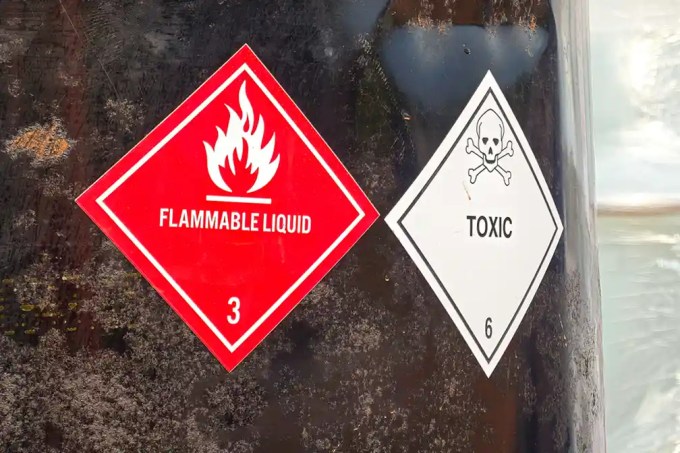
- Carry hazardous materials requiring federal placards.
The RMV will initially recognize three camera monitoring systems:
- Safe Fleet Bus and Rail MirrorLESS.
- Rosco Vision CV Digital.
- Stoneridge MirrorEye.
Each system must remain covered by an active exemption from the Federal Motor Carrier Safety Administration (FMCSA). Other camera systems do not automatically qualify under the Massachusetts authorization.
New Inspection Requirements for Truck Drivers
Drivers operating commercial vehicles without traditional truck mirrors will have additional equipment inspection responsibilities. Before operating a vehicle, drivers must confirm that the camera monitoring system works correctly. This includes checking cameras, screens, mounting hardware, lenses, and heating or defrosting equipment.
Drivers must also inspect the system after completing their daily operations. Any problems must be recorded in the driver vehicle inspection report or another required maintenance record. Motor carriers must correct equipment defects before allowing the vehicle to return to service.
During vehicle inspections, authorities cannot issue a violation solely because an eligible vehicle lacks conventional mirrors. However, damaged equipment, malfunctioning systems, or missing documentation may result in inspection failures or citations.
Driver Training Required Before Operating Mirrorless Trucks
Motor carriers must provide training before assigning drivers to vehicles equipped with approved mirror replacement systems. The training must combine classroom instruction with practical driving experience. Drivers must learn how digital displays differ from conventional truck mirrors, particularly when judging distances and monitoring nearby vehicles.
Training must also cover:
- Lane changes, turns, merging, and backing.
- Driving at night and during poor weather.
- Identifying equipment damage or system failures.
- Inspecting and maintaining camera components.
- Responding safely when equipment stops working.
Carriers must maintain training records for participating drivers. Additional instruction may be necessary when drivers switch to different camera systems or when equipment undergoes significant changes.
What Happens if a Camera System Fails?
Trucking companies must establish written procedures for equipment failures that occur while a vehicle is operating. These procedures must explain how drivers should stop safely, contact dispatch, and determine whether the vehicle requires towing or other assistance. Applicable federal exemption conditions also remain in effect.
For example, FMCSA’s exemption for the Stoneridge MirrorEye system prohibits continued vehicle operation following a camera or monitor failure until the equipment is repaired or compliant conventional mirrors are installed.
Documentation Requirements for Motor Carriers
Vehicle owners and trucking companies must notify the Massachusetts RMV when installing qualifying camera systems or registering vehicles already equipped with the technology.
The required notice must be filed within five calendar days of the applicable event. Updated information must also be submitted following significant changes, including equipment replacement or a change in vehicle ownership.
Drivers must carry copies of the installation notice, Massachusetts authorization, applicable federal exemption, and installation certification. These records must be available when requested by authorized enforcement or inspection personnel.
Traditional Truck Mirrors Still Required for CDL Testing
The authorization does not change commercial driver’s license (CDL) skills testing requirements. CDL applicants must continue using conventional mirrors throughout their skills examinations. Vehicles equipped with digital camera systems may be used for testing only if they also have the required traditional mirrors. Applicants cannot rely on camera displays as substitutes during the examination.
Federal Exemptions Remain in Effect
Federal regulations generally require commercial trucks and truck tractors to have rearview mirrors on both sides. However, FMCSA has granted exemptions allowing certain camera monitoring systems to replace these mirrors. Stoneridge first received its exemption in 2019, followed by a five-year renewal in 2024.
The current MirrorEye exemption runs through February 12, 2029, unless FMCSA ends it earlier. Massachusetts will recognize qualifying systems for as long as their federal exemptions remain valid. The RMV may also suspend or withdraw its authorization if safety or compliance concerns arise.
The agency plans to release additional filing instructions and program guidance before November 30. For trucking companies adopting mirrorless technology, the upcoming change provides another equipment option while establishing specific responsibilities for drivers, vehicle owners, and motor carriers.