Vincent ShakirNovember 11, 20264 Mins read10
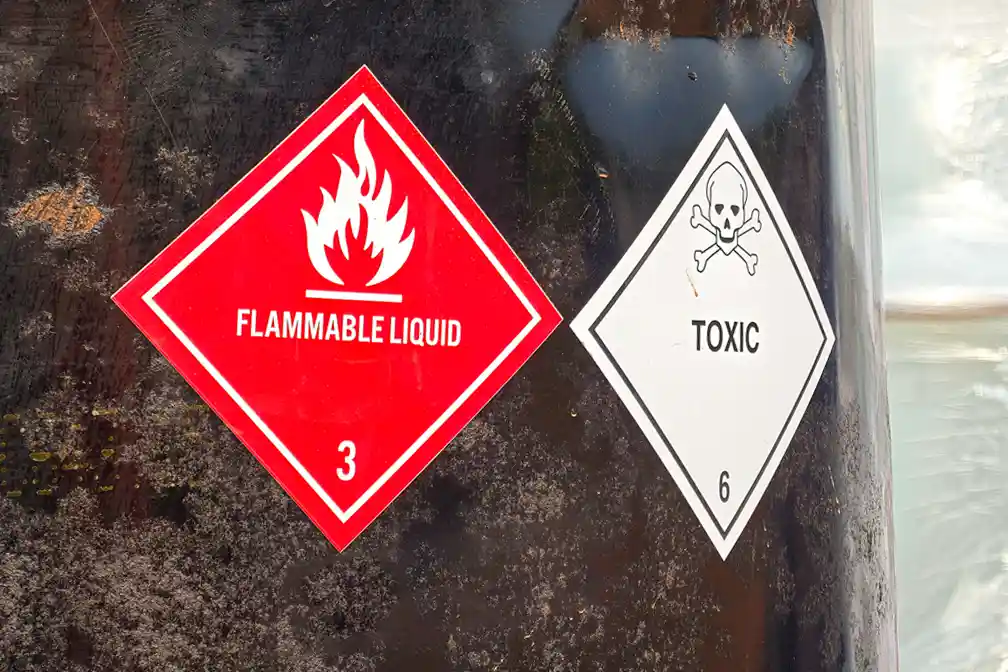
PHMSA Reviews Hazmat Security Plans for Trucking
The federal government is reviewing paperwork rules for hazardous materials security plans. These plans help protect certain types of dangerous cargo during transport. The review brings new attention to rules that already affect some truck drivers, owner-operators, and trucking companies.
PHMSA Reviews Hazardous Materials Security Plans
The Pipeline and Hazardous Materials Safety Administration (PHMSA) has scheduled a notice for November 12, 2026. The notice appears in the Federal Register. It asks for public comments on existing paperwork rules for hazmat security plans.
PHMSA wants to renew federal approval for these paperwork rules. The agency is not creating new rules for truck drivers. Instead, it is reviewing the work companies must do to meet current security requirements.
The notice also gives trucking companies a chance to share their views. They can comment on the time and work needed to keep these plans up to date.
Which Truck Drivers Hauling Hazardous Materials Are Covered?
Not every truck driver hauling hazardous materials is covered by these rules. The requirements depend on the type of cargo and the amount being hauled.
Under 49 CFR 172.800, companies that haul certain hazardous materials must have a written security plan. These shipments can include some types of explosives, toxic materials, flammable gases, and other dangerous cargo.
Some rules apply to large bulk loads. Federal rules define a large bulk quantity as more than 792 gallons of liquid or gas, or 6,614 pounds of solid material, in one container.
However, not every large tank load requires a security plan. The type of material and its hazard class also matter. This is why some tanker drivers may be covered while others are not.
What Security Plans Mean for Hazmat Truck Drivers
A hazmat security plan is not just paperwork kept in an office. It can also affect what drivers must do while hauling certain loads.
Under 49 CFR 172.802, these plans must cover three main areas. They must address employee security, steps to prevent unwanted access to cargo, and ways to protect shipments while they are being moved.
For drivers, this may mean taking extra steps to keep a truck and its load secure. A company’s plan may include rules for stops, staying in touch with dispatch, and reporting unusual activity.
The exact steps can differ from one company to another. Federal rules do not require all carriers to use the same security methods.
Drivers who have duties under a security plan must also receive training for those duties. This training is separate from the basic security awareness training required for hazmat workers.
What Happens When a Truck Hauling Hazardous Materials Breaks Down?
Security duties do not always end when a truck stops moving. They may still apply after a breakdown or crash.
PHMSA has explained how these rules can apply when a truck carrying covered hazardous materials becomes disabled. In a 2010 federal guidance letter, the agency addressed how carriers must protect a shipment after an accident.
The agency explained that security plans must address how to protect the truck until it can be repaired or towed. They must also cover the security of any cargo that must be moved to another vehicle.
For drivers, this means a breakdown may involve more than getting roadside help. The carrier’s security plan may also set steps for keeping the load safe while repairs or towing are arranged.
If a crash causes hazardous materials to spill, emergency crews may take control of the scene. In that case, the duties of the carrier may depend on who has control of the cargo.
These rules are already in place. The new PHMSA notice does not change them.
Hazardous Materials Security Plans Come With Paperwork
The new federal review also shows how much work goes into hazmat security plans.
According to figures listed in the PHMSA notice, the agency estimates 43,128 respondents and 55,974 yearly responses for its security plan paperwork program. It also estimates 425,854 hours of work each year.
These numbers include more than trucking companies. Other types of transport are also part of the program.
Still, the figures show that keeping security plans up to date takes time. Companies must review risks, keep records, and make changes when needed.
Federal rules require security plans to be reviewed at least once each year. Companies must also update them when changes in their work make new steps necessary.
For small trucking businesses, these duties can mean more time spent on paperwork and training. This can add to the work needed to run a hazmat trucking operation.
What Owner-Operators and Carriers Need to Know
The rules can also affect owner-operators who haul certain hazardous materials.
An owner-operator working under their own motor carrier authority may need a written security plan for covered loads. This means the driver may also be in charge of meeting the rules that apply to the business.
A driver leased to another trucking company may instead follow that carrier’s security plan. The exact duties depend on how the business is set up and which company is covered by the rules.
Motor carriers must make sure their plans address the risks linked to the loads they haul. They must also make sure workers know their assigned security duties.
Federal rules require security plans to be kept in writing. The plans must be available to federal officials who have the authority to review them.
Workers must also have access to the parts of the plan they need to carry out their duties.
These are not new requirements. The PHMSA review does not create a new deadline for trucking companies to comply.
PHMSA Accepting Comments Through January 11
PHMSA is asking for public comments on its paperwork rules. The agency wants to know if the information it collects is needed and whether its time estimates are correct.
The deadline for comments is January 11, 2027. Trucking companies and other affected businesses can share their views on the work required to keep security plans in place.
The federal review does not put current security rules on hold. Carriers hauling covered hazardous materials must still follow the rules that apply to their loads.
For truck drivers, the main point is that some hazmat loads come with added security duties. These rules can affect daily trips, roadside stops, and how cargo is handled when problems occur.