dayileyvasNovember 11, 20263 Mins read55
Border Cargo Inspections Target Trade Fraud at Otay Mesa
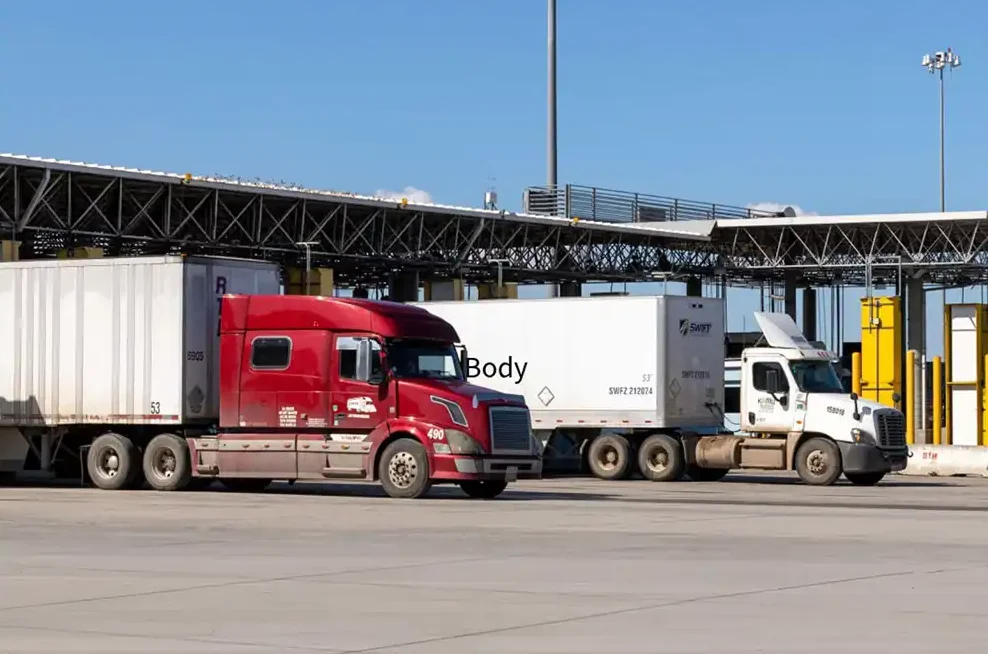
Border cargo inspections at the Otay Mesa Cargo Export facility targeted suspected trade violations during a five-day joint operation by U.S. Customs and Border Protection and Mexican customs officials. CBP announced the results November 6. Operation Trade Bridge took place October 19–23, 2026, and concentrated on in-bond shipments, particularly high-value electronics and textiles.
For commercial truck drivers, the practical relevance is the connection between shipment paperwork, physical cargo inspections and cross-border deliveries. The announcement describes a targeted enforcement operation—not a new inspection requirement for every truck crossing the border.
What Officials Examined During Border Cargo Inspections
CBP worked with Mexico’s Agencia Nacional de Aduanas de México, known as ANAM, and Homeland Security Investigations.
Officials examined potential undervaluation, inaccurate country-of-origin claims, transshipment concerns and discrepancies in customs documents.
CBP reported concerns involving:
- Declared merchandise values.
- Harmonized Tariff Schedule classifications.
- Cargo descriptions and quantities.
- Country-of-origin information.
The 80% Figure Does Not Cover All Border Freight
Officials said they offloaded and inspected 80% of the shipments targeted for the operation. That percentage does not mean 80% of all trucks at Otay Mesa were inspected. It also does not mean 80% of inspected shipments violated customs rules.
The announcement did not provide the total number of targeted shipments, an overall violation rate or a breakdown of completed enforcement actions. Those distinctions matter when evaluating the operation’s scale. A percentage drawn from a selected group of shipments cannot be used to describe the experience of every driver moving through the crossing.
Why Shipment Details Matter to Truck Drivers
For a driver assigned to move a cross-border load, customs information is more than an administrative detail. Questions about the shipment can affect how the trip proceeds, even when the driver did not prepare the underlying customs entry.
A physical examination may involve unloading freight rather than simply reviewing documents. That creates a different operational situation from a routine document check. However, CBP did not publish inspection-duration figures or estimate delays associated with Operation Trade Bridge. The announcement therefore does not support a claim that the operation caused a particular number of lost driving hours or widespread border congestion.
It also does not identify truck drivers as responsible for the reported discrepancies. Questions about merchandise value, tariff classification or origin may require information from other parties involved in the shipment.
Agencies Compared Records Across the Border
CBP said U.S. and Mexican officials compared export records, commercial documents and Mexican customs information during the operation.
The agencies plan additional verification involving manufacturers, importers, exporters and documentation supporting origin claims. They also intend to expand information sharing and coordinate further targeted enforcement.
The announcement includes scrutiny of potentially improper claims for preferential tariff treatment under the United States-Mexico-Canada Agreement. It does not announce a change to the agreement’s rules.
Practical Questions for Cross-Border Operations
The operation highlights several questions relevant to a carrier handling a shipment selected for examination.
Who can answer questions about the cargo description? Who has the supporting customs records? Who should receive notice if the shipment needs additional review?
Those are operational considerations, not new instructions issued by CBP in this announcement. The release does not prescribe a new driver checklist or assign responsibility for resolving every documentation issue.
Similarly, inspection selection alone should not be described as proof that a driver, carrier or shipper committed wrongdoing. Any specific allegation requires its own supporting evidence.
Follow-Up Findings Remain Pending
The immediate news is the completion of a targeted cargo-enforcement operation and the agencies’ plan to continue reviewing certain shipments and trade records.
For truck drivers, its relevance lies in understanding why a load may receive closer scrutiny and why accurate, consistent shipment information matters to cross-border operations.
What remains unknown is equally important: CBP has not announced the final outcome of the pending reviews, a total financial recovery or a quantified effect on truck-processing times.