Vincent ShakirNovember 9, 20264 Mins read47
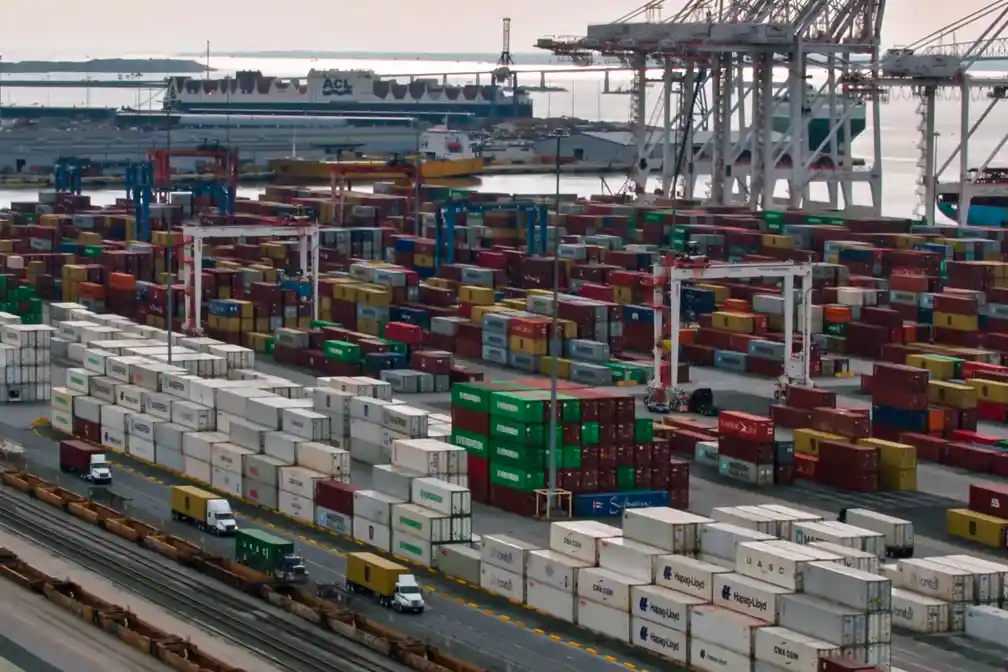
Important Port Fee Delay: What Happens Now for Truckers
The United States and China have extended a port fee suspension into early January 2027. The decision delays possible shipping cost increases that could affect freight moving through U.S. ports and the trucking companies that serve them.
For the U.S. trucking industry, the move may help prevent added costs from affecting freight movement. This is most relevant to truck drivers who haul containers, serve port terminals, or move goods tied to imports and exports.
The U.S. Office of the United States Trade Representative (USTR) confirmed the extension in a Federal Register notice dated November 9, 2026. The suspension will remain in place through January 9, 2027.
Why the Port Fee Delay Matters to Trucking
A large amount of freight moving through U.S. ports continues its trip by truck. Containers arrive by ship before being moved to warehouses, rail yards, and distribution centers.
Drayage drivers handle many of these short trips. Other truck drivers move the goods farther inland after containers are unloaded.
Changes in ocean shipping costs can affect this freight network. If shipping becomes more costly, importers and exporters may change how much freight they move or which ports they use.
Those choices can affect the number of loads available to trucking companies.
By extending the port fee suspension, the United States is delaying one possible source of added costs. However, the decision does not guarantee more freight, higher trucking rates, or increased driver pay.
It also does not reduce costs that trucking companies already face, such as fuel, insurance, and equipment expenses.
What Port Fees Are Being Delayed?
The suspended fees are part of a U.S. trade investigation into China’s role in the global shipping and shipbuilding industries.
In April 2025, USTR announced measures aimed at certain ships connected to China. The agency later changed parts of the plan.
The measures included fees on ships owned or operated by Chinese companies. They also covered certain Chinese-built ships operated by companies outside China.
Some foreign-built ships used to transport vehicles were included as well.
The original port fee system involved substantial charges. For example, one category included a starting fee of $50 per net ton for vessels owned or operated by Chinese companies.
Another category included a charge based on vessel size or the number of containers unloaded, whichever amount was higher. The exact charges depend on the applicable rules and later changes.
These are maritime fees, not charges paid directly by truck drivers or motor carriers.
The trade action also included added duties on certain Chinese ship-to-shore cranes and other cargo-handling equipment. Such equipment is used to load and unload freight at ports.
The latest extension keeps the specified maritime fees and equipment duties suspended while trade talks continue.
U.S. and China Extend Port Fee Suspensions
The United States first suspended these measures for one year beginning November 10, 2025.
That decision followed trade talks between the two countries. The suspension was set to expire in November 2026.
With talks still underway, USTR proposed another two-month extension in October. The agency has now made that decision final.
China announced a similar extension on November 9.
According to Reuters, China will continue suspending special port fees on U.S.-linked vessels until January 10, 2027.
China also extended its suspension of an investigation involving shipping, shipbuilding, and related supply chains.
The two decisions mean that certain shipping-related charges will remain on hold in both countries while talks continue.
For companies moving freight across the world, the extensions provide more time before these suspended charges could return.
Industry Groups Disagree Over Port Fees
The decision follows comments from businesses and groups with different views on the proposed charges.
USTR reported receiving about 60 unique comments on the latest extension proposal.
Some supported keeping the fees on hold. They warned that allowing the charges to take effect could raise shipping costs and disrupt trade.
Others raised concerns about U.S. exports. They argued that added costs could make it harder for American goods to compete in overseas markets.
These concerns matter to freight transportation because exporters rely on trucks, trains, and ships to move products to buyers.
Other commenters opposed extending the suspension.
They argued that the fees were needed to address China’s role in the shipping industry. They also said the measures could help support investment in U.S. shipbuilding and related businesses.
The disagreement reflects a larger trade issue. The federal government is weighing concerns about shipping costs against efforts to support domestic maritime industries.
What the Port Fee Extension Means for Truck Drivers
The most direct trucking connection involves drivers and carriers that depend on port activity.
Drayage owner-operators and port-based fleets rely on a steady movement of containers. Changes in shipping routes or cargo volumes can affect their work.
Regional drivers serving warehouses near ports may also be affected by changes in import activity.
For long-haul drivers, the connection is less direct. Some loads begin with imported goods, while others involve products headed overseas.
The port fee suspension may help avoid shipping costs that could affect these freight movements. Still, there is no confirmed estimate of how the extension will affect truckload demand.
The USTR notice does not report any change in trucking jobs, driver wages, freight rates, or container volumes.
It also creates no new CDL, Hours of Service, or commercial vehicle safety rules.
What Happens When the Port Fee Pause Ends?
The next key date is January 10, 2027.
The current U.S. suspension runs through 11:59 p.m. Eastern Time on January 9. USTR says it will keep watching the situation and may consider more action before the deadline.
That could include another extension or changes to the existing trade measures. The agency has not announced a final decision about what will happen after the suspension expires.
For trucking companies that serve ports and international freight customers, the next decision could be important.
For now, the two-month extension keeps the specified fees on hold and delays one possible source of higher ocean shipping costs.
The effect on trucking will depend on future trade decisions and how shipping companies, importers, and exporters respond.