dayileyvasNovember 6, 20264 Mins read20
CVSA Releases 2026 Brake Safety Week Results: 2,369 Vehicles Out of Service
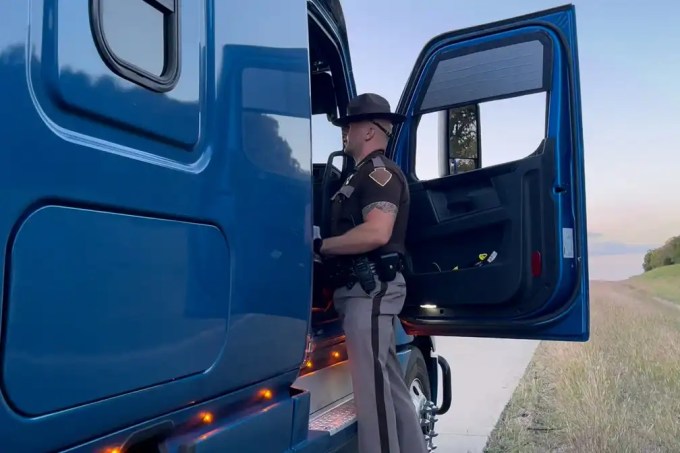
The Commercial Vehicle Safety Alliance (CVSA) released the results of its 2026 Brake Safety Week on November 6. Inspectors conducted 15,528 commercial motor vehicle inspections across the United States, Canada, and Mexico. Of those inspections, 2,369 vehicles were placed out of service for brake-related violations, representing 15.3% of all vehicles inspected.
The remaining 13,159 vehicles, or 84.7%, had no brake-related out-of-service violations. The annual enforcement campaign took place August 23–29, 2026, with participation from 51 jurisdictions across North America. This year’s inspections placed additional attention on brake drums and rotors while examining other critical braking components.
Brake Safety Week Results by Country
The United States accounted for most of the inspections conducted during the seven-day campaign. According to CVSA, the results by country were:
- United States: Inspectors conducted 14,165 inspections and placed 2,134 vehicles out of service for brake-related violations, resulting in an out-of-service rate of 15.1%.
- Canada: Inspectors conducted 1,306 inspections and placed 232 vehicles out of service, resulting in an out-of-service rate of 17.8%.
- Mexico: Inspectors conducted 57 inspections and placed three vehicles out of service, resulting in an out-of-service rate of 5.3%.
Canada recorded the highest brake-related out-of-service rate, followed by the United States and Mexico. These figures represent vehicles inspected during the campaign rather than the overall commercial vehicle population in each country.
Most Inspections Followed Level I Standards
CVSA reported that 14,150 inspections, approximately 91% of the total, were North American Standard Level I Inspections. A Level I Inspection is a 37-step procedure that examines both the driver’s operating requirements and the mechanical condition of the commercial vehicle.
During the brake portion of these inspections, officers examine several components, including brake adjustment, slack adjusters, brake chambers, linings, pads, return springs, and camshafts.
Inspectors also review air pressure, air loss, air tanks, hoses, tubing, fittings, and tractor protection systems. Parking and emergency brakes, breakaway systems, and anti-lock braking systems are also checked. The inspections are intended to identify mechanical conditions that could affect a commercial vehicle’s braking performance.
Brake Drums and Rotors Were a Major Focus
This year’s Brake Safety Week placed special attention on the condition of brake drums and rotors. CVSA reported 141 drum and rotor violations, which resulted in 64 vehicles being placed out of service.
Air disc braking systems accounted for 97 of the reported violations. These included 32 broken rotors, 45 rusted rotors, and 20 cases involving metal-to-metal contact. Inspectors also identified 36 broken brake drums involving S-cam braking systems.
Hydraulic braking systems accounted for eight additional violations. These included one broken rotor, three rusted rotors, and four cases of metal-to-metal contact.
CVSA noted that an individual vehicle or vehicle combination could have more than one violation. Damaged brake drums and rotors can affect braking efficiency. Broken components may also separate from a moving vehicle, creating hazards for other motorists.
Nearly Half of Out-of-Service Vehicles Met the 20% Brake Criterion
One of the most significant findings involved vehicles with multiple defective brakes. Inspectors placed 1,176 vehicles out of service under the 20% defective brake criterion established.
These vehicles represented 49.6% of all vehicles placed out of service for brake-related violations during the campaign. Under this criterion, a vehicle or vehicle combination can be placed out of service when 20% or more of its service brakes meet specified out-of-service conditions.
The findings indicate that nearly half of the vehicles removed from service for brake violations had enough defective brakes to meet this threshold.
Brake Hoses, Air Loss, and Steering Axle Violations
Beyond drums, rotors, and the 20% defective brake criterion, inspectors reported several other brake-related out-of-service violations. Brake hoses and tubes accounted for 600 violations, while air loss rates were responsible for another 145.
Inspectors also reported 119 violations involving other steering axle brake conditions and 92 involving steering axle brake linings. An additional 759 violations involved other brake-related conditions. These included problems with tractor protection systems, air tanks, parking and emergency brakes, low-air warning devices, and other braking components.
The totals represent reported violations, not necessarily separate vehicles. A single vehicle could have multiple brake defects identified during an inspection.
Performance-Based Brake Testing Identifies Additional Violations
Inspectors in 12 U.S. jurisdictions also used performance-based brake testers to evaluate commercial vehicle braking efficiency. These devices measure a vehicle’s overall braking performance rather than relying only on visual and mechanical inspections of individual components.
CVSA reported that inspectors conducted 657 inspections using these testers. Of those vehicles, 29 failed to meet the required minimum braking efficiency of 43.5%. This represented a failure rate of 4.41%.
The vehicles that failed were placed out of service. The 43.5% minimum braking efficiency requirement is established under federal motor carrier safety regulations and CVSA’s North American Standard Out-of-Service Criteria.
What the Results Mean for Commercial Truck Drivers
The 2026 Brake Safety Week results provide information about the types of braking problems identified during roadside inspections. Although most inspected vehicles had no brake-related out-of-service violations, the campaign identified thousands of vehicles with conditions serious enough to prevent continued operation until the violations were corrected.
For commercial truck drivers and motor carriers, the findings highlight the importance of regular brake inspections and preventive maintenance. Brake hoses, air pressure, brake adjustment, drums, rotors, and other components remain important inspection areas.
CVSA encourages drivers and carriers to identify mechanical problems during routine inspections, address defects promptly, and maintain properly functioning braking systems throughout the year. Commercial vehicles placed out of service for brake-related violations cannot resume operation until the conditions responsible for the out-of-service order have been corrected.
Next Brake Safety Week Scheduled for April 2027
CVSA has announced that the next Brake Safety Week will take place April 18–24, 2027. The annual campaign is part of CVSA’s Operation Airbrake Program, which combines roadside inspections, enforcement, and education to improve commercial vehicle brake safety.
While Brake Safety Week concentrates inspections during a specific period, brake-related safety requirements remain in effect throughout the year.
The 2026 results show that most inspected vehicles met the brake-related out-of-service standards, while 15.3% were removed from service because of identified brake violations.