Vincent ShakirNovember 5, 20264 Mins read13
New Super Ego Ban: Non-Domiciled CDL Leases Now Off-limits
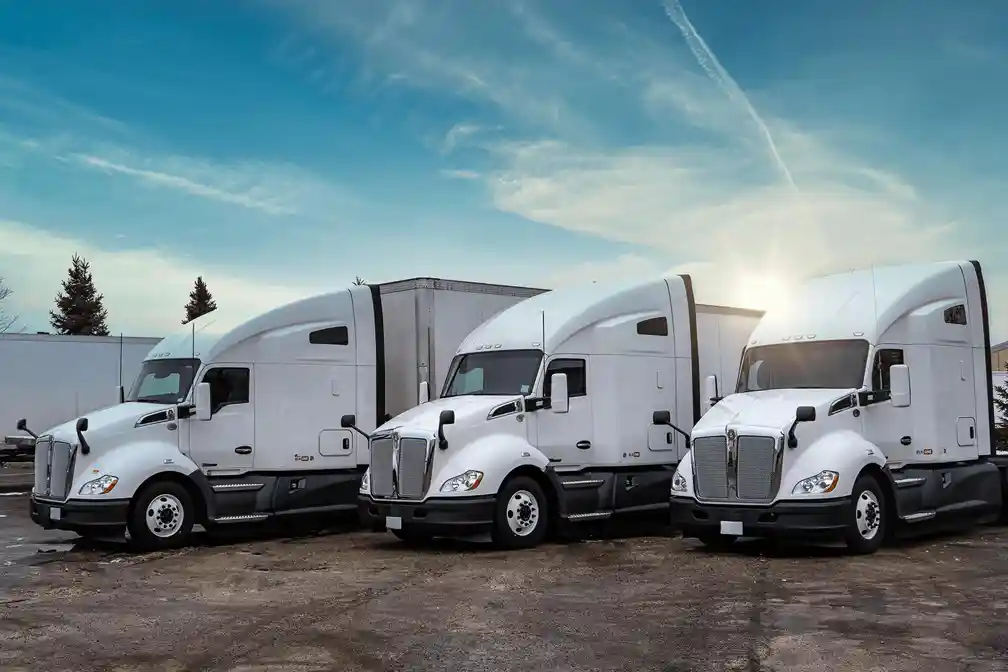
Super Ego has announced new truck leasing rules that affect some non-domiciled CDL holders. The company will no longer rent or lease trucks to owner-operators who hold these licenses. The new rules took effect on November 1, 2026.
The Illinois-based company announced the changes on October 28. Super Ego says it serves more than 1,200 trucking companies across the United States. Its new policy also adds rules for carrier safety ratings, English skills, and truck use.
Super Ego Bans Non-Domiciled CDL Holders
Under the new policy, Super Ego will no longer approve truck leases or rentals for owner-operators with non-domiciled CDLs. The company will also deny new requests from trucking businesses whose owners hold non-domiciled CDLs or non-domiciled ID documents.
Drivers and carriers must provide records that show they meet the company’s rules. These include driving records, CDL details, and proof of their right to operate.
The ban is a company policy, not a new federal law. It does not cancel a driver’s CDL or stop that person from working for another trucking company. However, it could make it harder for some owner-operators to get the trucks they need to work.
How the Ban Differs From Federal CDL Rules
Federal law still allows some drivers to hold valid non-domiciled CDLs. The Federal Motor Carrier Safety Administration (FMCSA) changed its rules for these licenses earlier this year.
The new federal rule took effect on March 16, 2026. It limits new and renewed non-domiciled CDLs to certain groups that meet federal rules. Some licenses issued before the change may also remain valid.
Super Ego’s new policy goes further. The company will not approve leases for owner-operators who hold non-domiciled CDLs, even if those licenses are still valid under federal law.
This means a driver may have the legal right to drive a commercial truck but still be denied a lease from Super Ego. The company has not made it clear whether the ban also covers all company drivers with these licenses who drive trucks leased by their employers.
What Happens to Current Super Ego Leases?
The new rules took effect on November 1. However, that does not mean all current leases ended on that date.
According to Super Ego’s updated leasing policy, current customers must meet the new rules when they renew a lease or ask for more equipment. Customers must also follow the rules that apply during their lease terms.
Super Ego says a failure to meet its rules could lead to the immediate end of a lease or rental agreement. The company has not fully explained how each new rule will affect leases that are already active.
For some owner-operators, losing a truck lease could cause serious problems. They may need to find another truck, secure a new lease, or change their work plans. This could also lead to lost work while they look for other options.
Super Ego has not said how many current customers hold non-domiciled CDLs. It has also not shared how many leases may be affected.
Carriers With Conditional Safety Ratings Face New Limits
Super Ego is also adding new rules for trucking companies with certain federal safety ratings.
The company will no longer approve leases, rentals, renewals, or requests for more trucks from carriers with a Conditional FMCSA safety rating. It also says its trucks cannot be used under a carrier with that rating.
A Conditional rating means federal officials found problems with a carrier’s safety practices. However, it does not always mean the carrier must stop operating. Super Ego’s policy places a new limit on those carriers, even when federal law still allows them to haul freight.
This could also affect the drivers who work for these fleets. A company that loses access to leased trucks may have fewer trucks available for freight. That could affect work schedules, truck assignments, and the amount of freight it can haul.
English Proficiency Violations May Block Truck Leases
Super Ego will also check driving records for English Language Proficiency (ELP) violations.
Owner-operators with unresolved ELP violations will not qualify for a lease or rental. They must first clear those issues with the proper authorities. Once the problem is resolved, they may qualify if they meet the company’s other rules.
Federal law already requires commercial truck drivers to meet English language standards. Drivers who fail to meet those rules can be placed out of service during roadside checks.
Super Ego’s policy adds another possible result. An unresolved ELP violation could now keep an owner-operator from leasing a truck through the company.
Super Ego Adds More Checks on Truck Use
The company is also changing how it tracks the trucking businesses that use its equipment.
Customers must tell Super Ego which carrier is using each leased or rented truck. They must keep those records up to date. If they want to move the truck to a different carrier, they must get approval first.
These rules give Super Ego more control over which carriers use its trucks. They may also help the company track equipment that moves between different trucking businesses.
The new policy comes after Super Ego faced public scrutiny earlier this year.
In April, a 60 Minutes report drew attention to claims involving Super Ego and trucking companies linked to its business. The report raised concerns about driver pay, safety records, and so-called chameleon carriers.
Chameleon carriers are trucking businesses that may use new names or operating authorities to avoid safety rules or other duties.
In April 2026, a lawsuit involving more than 800 drivers included claims of unpaid wages, disputed deductions, and other pay issues.
At the time of that report, the case was still in discovery, and no final ruling had been made. Super Ego denied the claims and said it was an equipment leasing company, not a motor carrier.
The new rules address some areas that have drawn attention, such as carrier safety and the use of leased trucks. However, Super Ego has not said the changes were made because of the lawsuit or the 60 Minutes report.
What the New Rules Mean for Truck Drivers
Super Ego says the changes are meant to improve safety among the carriers and drivers that use its equipment. However, the company has not said how many drivers or fleets will be affected.
The biggest change involves owner-operators with non-domiciled CDLs. Some of these drivers may still hold valid licenses under federal law. Even so, they will no longer qualify to lease or rent trucks from Super Ego.
Other drivers could also feel the effects. Carriers with Conditional safety ratings may lose access to equipment, while owner-operators with unresolved English proficiency violations could face lease denials.
For drivers who depend on leased trucks, these rules may affect their ability to keep working. The new policy also shows how a private leasing company can set rules that are stricter than federal driving requirements.