dayileyvasApril 21, 20263 Mins read566

Freedom to Drive Initiative Targets U.S. Traffic Bottlenecks
The U.S. Department of Transportation (USDOT) has launched a new nationwide effort aimed at reducing congestion on major highways and freight corridors. Announced on April 20, 2026, the “Freedom to Drive” initiative calls on states to identify and address the most critical traffic bottlenecks affecting drivers and the broader economy.
The plan focuses on improving traffic flow by expanding roadway capacity, speeding up infrastructure projects, and encouraging partnerships between public agencies and private companies. The Federal Highway Administration (FHWA) will support the effort by providing technical tools and guidance to states.
States Asked to Identify Traffic Bottlenecks
As part of the initiative, governors across the country have been asked to submit a list of two to five of their state’s worst traffic bottlenecks. These are areas where congestion is causing major delays, especially along key freight routes and urban corridors.
The request includes outlining specific actions that states can take to reduce congestion. These actions may involve adding new lanes, improving traffic management systems, or using new technologies to increase efficiency on existing roads.
According to the USDOT, the goal is to move away from what officials describe as “stop-and-go” policies and instead focus on high-performance solutions that keep traffic moving more consistently.
Traffic Congestion Impacts Trucking and Freight Movement
Federal officials emphasized that congestion is not just a commuter issue. It also has a direct impact on freight transportation and the trucking industry.
Data shared by the agency shows that the United States is home to 10 of the 25 most congested cities in the world, including Chicago and Los Angeles. In 2024, the average urban commuter spent about 63 hours stuck in traffic, contributing to an estimated $269 billion in lost productivity.
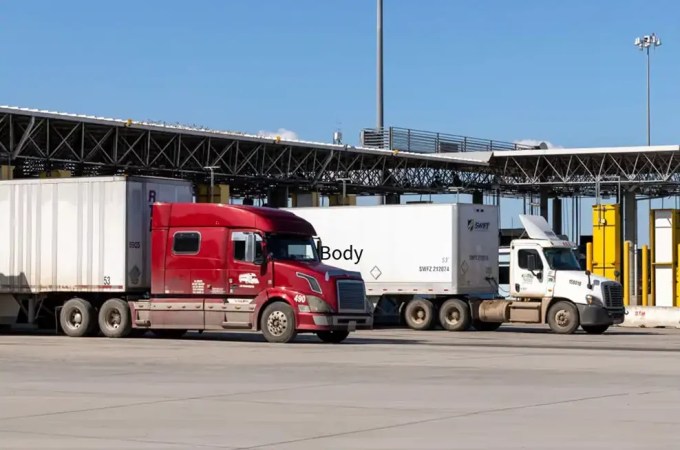
For truck drivers, delays caused by congestion can affect delivery schedules, fuel efficiency, and overall earnings. Bottlenecks near distribution hubs and major freight corridors can slow down supply chains and increase operational costs.
The USDOT also noted that congestion issues are not limited to large cities. Rural areas can experience similar disruptions due to crashes, weather events, work zones, and limited alternate routes.
Freight Demand Expected to Grow in the Coming Years
The initiative comes as freight demand continues to rise. According to federal projections, truck freight volumes are expected to increase by nearly 50% over the next 25 years. At the same time, overall vehicle travel is projected to grow by about 16%.
Officials say these trends will place additional pressure on already congested roadways, making it more important to address bottlenecks now. The nation’s road network currently carries about 72% of all freight.
Public-Private Partnerships Play a Key Role
To support infrastructure improvements, the USDOT is encouraging states to explore partnerships with private companies. These partnerships are intended to stretch public funding further while accelerating project timelines.
One example cited by the agency is a project in Georgia, where a public-private partnership is working to expand a 16-mile section of State Route 400. The project includes adding new lanes and improving traffic flow between the North Springs Station area and McFarland Parkway.
Federal officials estimate that the project could reduce delays by more than 19,000 hours per day, or about 15 minutes per traveler. It is also expected to improve safety by reducing traffic incidents and upgrading infrastructure, such as bridges.
The added express lanes will use dynamic toll pricing to manage congestion, while existing lanes will remain free to use.
Focus on Maximizing Existing Roadway Capacity
A key part of the Freedom to Drive initiative is improving the performance of current infrastructure. Instead of relying only on building new roads, the plan encourages states to make better use of existing highways.
This may include using advanced traffic management systems, improving incident response times, and adjusting lane usage to handle higher traffic volumes. In some cases, states may also consider reallocating road space to prioritize vehicle movement in high-demand areas.
The FHWA has launched a dedicated online resource hub to help states develop and implement these strategies.
What This Means for Truck Drivers
For truck drivers, the initiative could lead to long-term improvements in travel times and route reliability. Reducing congestion at key bottlenecks may help limit delays, lower fuel consumption, and improve delivery efficiency.
However, the timeline for these improvements will depend on how quickly states identify problem areas and move forward with projects. Some solutions, such as operational changes or technology upgrades, could be implemented relatively quickly, while major construction projects may take years to complete.
As freight demand continues to grow, efforts like the Freedom to Drive initiative highlight the increasing focus on keeping goods moving efficiently across the country.
Next Steps to Reduce Traffic Bottlenecks Nationwide
States have 60 days to submit their lists of priority traffic bottlenecks and proposed solutions to the FHWA. Federal officials say they will work with states to support these efforts and track progress.
The USDOT plans to use federal resources, state partnerships, and private investment to address traffic bottlenecks nationwide.
While results will take time, the initiative highlights a broader effort to reduce traffic bottlenecks and improve conditions for both drivers and the trucking industry.