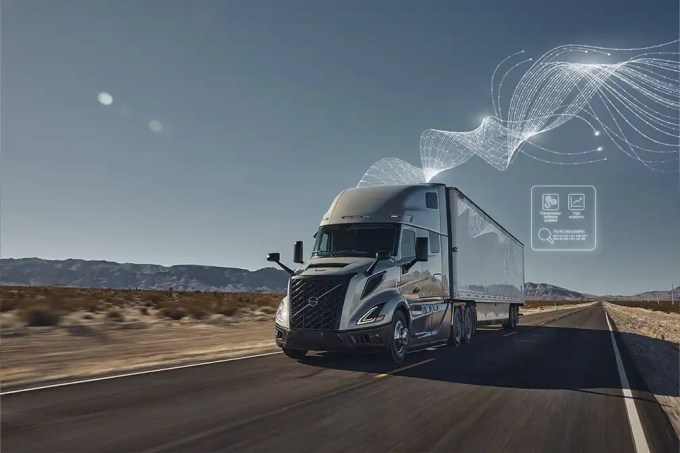
Samsara’s AI Detects Drowsy Drivers to Improve Road Safety
Samsara Launches AI Tool to Combat Driver Fatigue
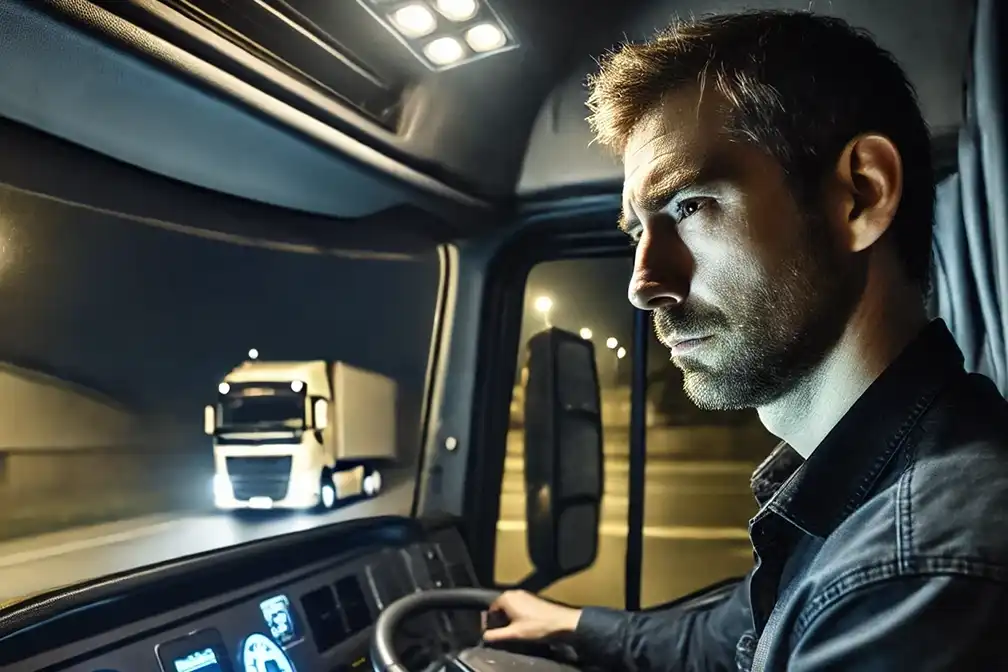
Samsara introduces a new feature called Drowsiness Detection. This AI-powered tool aims to improve safety by identifying signs of truck driver fatigue early. Driver fatigue is a leading cause of accidents in the trucking industry, making this technology a valuable addition for companies working to keep their drivers and other road users safe.
The Danger of Drowsy Driving
Driver fatigue is a major issue on U.S. roads. According to the National Highway Traffic Safety Administration (NHTSA), drowsy driving causes about 91,000 crashes each year, resulting in 50,000 injuries and 800 deaths. However, these numbers may be underreported. Some studies suggest that up to 17.6% of fatal crashes from 2017 to 2021 were caused by driver fatigue, accounting for nearly 30,000 deaths.
Truck drivers are especially vulnerable to fatigue-related accidents. The Federal Motor Carrier Safety Administration (FMCSA) reports that fatigue contributes to 13% of crashes involving large trucks. Research also shows that 65% of truck drivers drive while tired, and nearly half admit to falling asleep at the wheel at least once.
How Samsara’s AI Helps Detect Driver Fatigue
Samsara’s Drowsiness Detection feature monitors driver behavior in real time using AI dash cams. It looks for several signs of fatigue, such as:
- Head nodding
- Slouching
- Prolonged eye closure
- Yawning
- Rubbing eyes
Yawning alone isn’t always enough to detect fatigue. Samsara reports that about 77% of drowsy driving incidents among early users were identified by behaviors other than yawning.
When the system detects signs of drowsiness, it triggers in-cab audio alerts to warn the driver. At the same time, fleet managers are notified via text or email, allowing them to respond quickly to prevent accidents. Managers can also review reports within the Samsara platform to track patterns and coach drivers on how to avoid fatigue in the future.
“It’s hard to detect when someone is truly drowsy. It’s more than a single behavior, like yawning or having your eyes closed,” said Evan Welbourne, Samsara’s vice president of AI and data. “Drowsiness can be less common than other risky driving behaviors, so accurate detection is only as good as the data that feeds and trains AI models.”
Success Stories from Early Users
Samsara first introduced Drowsiness Detection at the company’s Beyond conference in June 2024. Since then, it has been tested by 50 early adopters and is now available to customers worldwide.
The feedback from early users has been positive. Fleet managers say the alerts not only detect fatigue but also encourage safer driving habits. A large U.S. oilfield services company shared its experience with the new system.
“We used to have multiple drivers falling asleep at the wheel. Now, we’ve gone as long as 30 days without a single driver falling asleep due to these alerts,” said the company’s vice president of health, safety, and environment.
Economic and Safety Benefits of Reducing Driver Fatigue
In addition to preventing accidents, reducing driver fatigue can also save money. Studies show that fatigue-related productivity losses cost employers $136 billion each year. In the trucking industry, avoiding crashes can help companies avoid expensive downtime, repairs, and insurance claims.
Samsara’s system not only alerts drivers when they are tired but also promotes healthier behaviors. This proactive approach aims to create a safety-first culture among drivers. Additionally, it could help truckers stay alert and focused on the road.
The Future of Safer Roads with AI-Driven Driver Fatigue Detection
Samsara’s AI-powered Drowsiness Detection feature offers a practical solution to the widespread problem of driver fatigue. By using AI to monitor and respond to signs of drowsiness, the system can help prevent accidents, protect lives, and improve productivity.
If more fleets adopt this technology, Samsara’s tech could play a key role in making the trucking industry safer and more efficient.
 Vincent ShakirOctober 26, 20243 Mins read1.5k