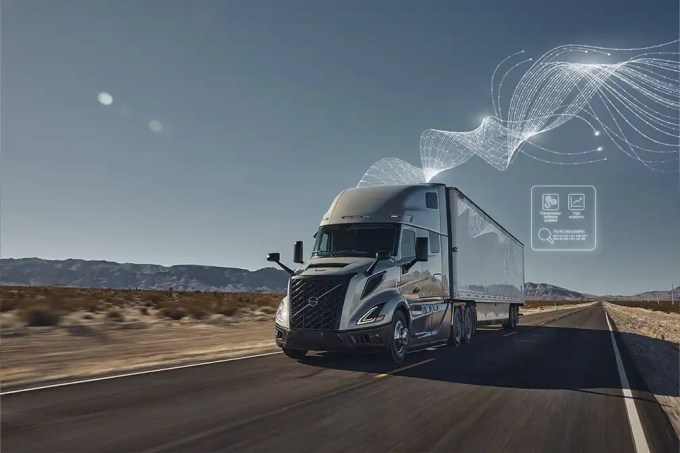
Autonomous Trucks: NHTSA Creates a Flexible Path
NHTSA is refining exemptions that could speed limited commercial use of autonomous trucks while keeping federal safety oversight in place.

Share

NHTSA Builds Faster Path for Autonomous Trucks
The National Highway Traffic Safety Administration is moving ahead with a faster and more flexible system for some automated vehicles. The system could allow certain vehicles to enter commercial service even when they do not meet every current federal safety standard.
NHTSA is now asking the public to comment on interim guidance for this process.
The plan could help makers of autonomous trucks start small commercial operations. Those companies could then seek approval to grow those operations over time.
NHTSA Seeks Comments on Vehicle Exemptions
The notice is set for publication in the Federal Register on July 31, 2026. The public will have 30 days after publication to submit comments.
The notice deals with exemptions under 49 CFR Part 555.
These exemptions can let a company build and sell vehicles that do not meet every Federal Motor Vehicle Safety Standard. NHTSA must first decide that the request meets federal law. The agency must also find that the exemption serves the public interest and supports motor vehicle safety.
This process is important for automated vehicle makers.
Many federal safety rules were written for vehicles driven by people. Those rules often assume that a vehicle has a steering wheel, pedals, a driver’s seat, and other controls.
Some purpose-built automated vehicles may not have those parts. Instead of waiting for every safety rule to be rewritten, a company can ask NHTSA for an exemption.
The notice does not give a new exemption to any company. It explains how NHTSA is handling these requests and asks for feedback on the guidance.
Autonomous Trucks Could Start With Tight Limits
The most important part of the notice is NHTSA’s new approach to oversight.
In the past, the agency often placed one fixed set of terms on an exemption. Those terms could stay in place for the full life of the vehicles.
NHTSA now says that system does not fit automated driving systems very well.
Automated systems can change often. Software can improve. A vehicle may gain new skills. A company may also want to add routes, raise speeds, or enter new areas.
Because of that, NHTSA is using a more flexible system.
The agency can issue an exemption with an initial operational authorization. That approval would set the first limits for the vehicles.
It could cover where the vehicles may run. It could also set rules for speed, road type, weather, or other conditions.
A company could begin making and using the vehicles under those limits. Later, it could ask NHTSA to change or expand the approval.
For example, a vehicle may first run at low speed in a small area. After more review, the company may ask to cover a larger area or use more types of roads.
NHTSA says this system will help the agency make faster decisions. The first review can focus on what the vehicle can do now. The agency would not need to guess how the system may change years later.
The Process Could Apply to Autonomous Trucks
The notice covers automated vehicles in general. It is not limited to commercial trucks. Even so, the process could have a clear effect on autonomous trucks. Some driverless trucks may be built without normal driver controls. They may not have a steering wheel, pedals, or a standard driver’s seat.
Those trucks may not fit safety rules written for human-driven vehicles. Their makers could seek exemptions while NHTSA works on new standards.
The notice also points to federal research on several heavy-vehicle rules. These include standards tied to air brakes, electronic stability control, and rear impact guards.
The exemption process could help some companies move autonomous trucks from tests into paid freight service.
Early uses may be limited. They could include routes between freight hubs, ports, yards, or other controlled areas. Some systems may also run on set highway lanes between terminals.
What Autonomous Trucks Could Mean for Drivers
The main point of this notice is that the federal government is building a path for more autonomous trucks to enter commercial service.
Over time, truck drivers may share more roads with automated trucks that are working under special federal approvals. Those trucks may first appear on set freight lanes. They may also be used in ports, yards, or short hub-to-hub routes.
Drivers could face new roadside issues as these systems grow.
A disabled automated truck may need help from a remote support team. Law enforcement may need a way to contact the company. Emergency crews may also need new steps after a crash.
Truck drivers may also have concerns about work zones, lane changes, inspections, bad weather, and mixed traffic.
The notice does not explain how these issues will work in every case. Many details may be set in each company’s operational authorization.
NHTSA Says Safety Oversight Will Continue
NHTSA says the new process is meant to speed up reviews without ending safety oversight.
The agency has also changed its crash reporting rules for automated vehicles.
Some reports were removed because NHTSA saw them as repeated or of low value. Still, most crashes that had to be reported before remain covered.
From June through December 2025, NHTSA received 517 reports of alleged crashes involving automated driving systems.
It also received 787 reports involving Level 2 driver-assist systems.
NHTSA said its follow-up work helped lead to seven formal investigations and seven recalls through July 2026.
Questions Remain About Later Expansion
The flexible system may help NHTSA keep up with fast changes in automated technology.
It may also raise questions about public review.
The first exemption must be published. The public must also get a chance to comment.
The notice is less clear about what happens when NHTSA later changes an operational authorization.
A small project could grow over time. It could add roads, cities, or new uses.
The notice does not fully explain whether each major change would lead to a new public comment period.
That could be a key issue for trucking groups, safety groups, states, and labor groups.
They may want to know how later changes will be shared with the public. They may also ask how state rules, insurance, crash fault, and carrier liability will apply.
NHTSA Is Building Rules for Autonomous Trucks
The exemption guidance is only one part of NHTSA’s wider automated vehicle work.
The agency is also updating safety rules for vehicles without manual controls.
It has started work on new performance standards for automated driving systems that could later become federal safety rules.
NHTSA has also opened some research and test exemptions to vehicles built in the USA.
Together, these steps show a clear federal trend.
NHTSA is using exemptions as a bridge. The agency can allow limited operations now while it works on more permanent rules.
The direct effect on commercial truck drivers is small today.
The long-term effect could be much larger. The system may help autonomous trucks enter service in narrow settings first. Those operations could then grow as the technology and federal rules change.