Vincent ShakirMay 23, 20253 Mins read1.5k

NTSB Report Reveals Fatigue and Truck Parking Issues in Fatal Crash
Fatal 2023 Motorcoach Collision Spurs Federal Safety Recommendations
The National Transportation Safety Board (NTSB) has released its final findings on a deadly 2023 crash in Highland, Illinois. The crash involved a Greyhound motorcoach and three combination vehicles that were parked on the shoulder due to limited truck parking. The early-morning crash, which occurred on July 12, 2023, claimed three lives and left 12 others injured.
What Happened
At approximately 1:48 a.m., a Greyhound bus traveling westbound on Interstate 70 departed the highway at the Silver Lake Rest Area near mile marker 27.4. The bus struck three combination vehicles that were parked on the shoulder of the exit ramp.
There were 21 people aboard the motorcoach. Three passengers died in the crash. The driver and 11 passengers sustained varying injuries. All three truck drivers were inside their parked vehicles but were unharmed.
NTSB Identifies Fatigue and Oversight Failures
The NTSB determined that the bus driver was fatigued at the time of the crash. His irregular sleep schedule, prolonged wakefulness, and possible medical conditions all contributed to his fatigue. He had also chosen not to use rest facilities provided by Greyhound.
Greyhound Lines, Inc., the operator of the bus, was found to have inadequate fatigue management practices. The company failed to use its driver monitoring technology to detect signs of fatigue and did not maintain organized, electronic personnel records. This made it more difficult to track risky behavior and take disciplinary action.
Truck Parking Shortage Played a Key Role
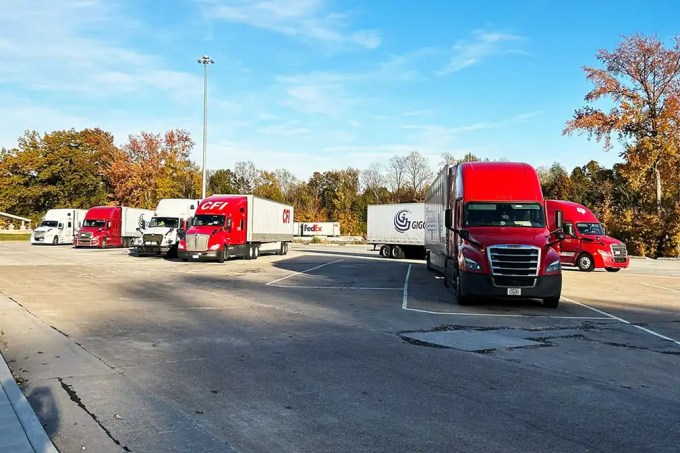
NTSB found that a significant factor in the crash was the truck parking shortage. The three trucks involved were parked on the ramp shoulder in violation of Illinois Statute Section 11-1303. However, this kind of illegal parking is common, according to the NTSB, because of the limited number of truck parking spaces available nationwide.
The report found that the trucks were parked within the highway clear zone, which decreased the bus driver’s ability to correct his path or safely stop. The lack of safe, legal truck parking options is a widespread issue. The NTSB linked this crash to broader national problems first identified through Jason’s Law surveys, which highlight chronic truck parking shortages.
Seat Belt Use Could Have Lessened Injuries
Many passengers on the bus were not wearing seat belts, despite their availability. According to the NTSB, proper seat belt use would have likely reduced the severity of injuries. Greyhound did not provide a safety briefing before the trip, which may have left passengers unaware of seat belt laws and expectations.
Probable Cause Linked to Fatigue and Truck Parking Gaps
The NTSB found the main cause of the crash was the driver’s fatigue. Additional contributing factors included:
- Greyhound’s failure to act on recurring unsafe behavior from the driver.
- The unsafe and illegal parking of three combination vehicles on the exit ramp.
- The absence of seat belt use by many passengers.
NTSB Recommends Action on Truck Parking Shortage
In response to its findings, the NTSB issued several recommendations:
- The U.S. Department of Transportation should expand use of the Truck Parking Information Management System to identify critical areas in need of parking.
- Funding should be offered to increase parking capacity and remove restrictions that limit private development of rest areas.
- Greyhound should adopt a formal fatigue management program and digitize personnel records for better oversight.
- FMCSA should update safety guidance and provide better support for passenger carriers using Safety Management Cycle processes.
The NTSB also emphasized the importance of real-time parking availability systems. These systems can help truck drivers plan ahead and avoid unsafe, last-minute parking decisions.
National Truck Parking Shortage Demands Broad Solutions
The Highland crash demonstrates the dangers created by the nation’s ongoing truck parking shortage. While some states are taking steps to improve access, a more centralized, national effort is needed. Without additional parking capacity, truck drivers may continue to park in hazardous areas, increasing the risk of future collisions.
The report urges industry leaders and lawmakers to take action. Solving the truck parking crisis, improving fatigue management, and increasing passenger safety training could all help prevent similar tragedies.
RELATED: New FMCSA Crash Risk Study Looks at HOS Rules, Official Crash Report Shows Need for Improved Truck Safety & Unmanned Truck’s Unexpected Crash: What Happened in Lawrence