Vincent ShakirJuly 13, 20265 Mins read189
CVSA’s Operation Safe Driver Week Enforcement Is Underway
Operation Safe Driver Week is now underway across North America.
The Commercial Vehicle Safety Alliance’s annual campaign began July 12. It will continue through July 18.
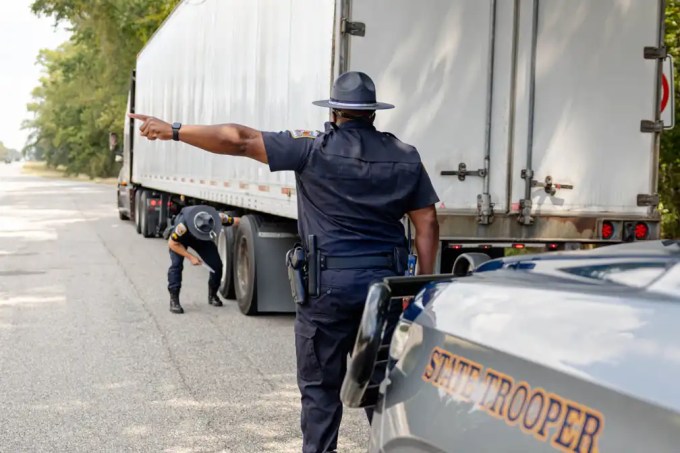
During the week, law enforcement officers will watch both commercial truck drivers and passenger vehicle drivers. Their main focus will be unsafe driving.
Drivers who break traffic laws may receive a warning or citation. For CDL holders, some violations may also have effects that last beyond Operation Safe Driver Week.
Operation Safe Driver Week Targets Unsafe Driving
Operation Safe Driver Week focuses on how people drive.
Officers will look for risky actions that may lead to crashes, injuries, or deaths.
Those actions include:
- Speeding
- Distracted driving
- Following too closely
- Improper lane changes
- Failure to wear a seat belt
- Fatigued driving
- Impaired driving
- Failure to obey traffic signs or signals
- Reckless, careless, or dangerous driving
The 2026 campaign gives added attention to reckless, careless, and dangerous driving.
However, officers may take action against any unsafe act they see.
Enforcement may differ by state, province, or local area. CVSA helps organize the campaign. Local and regional police agencies carry out the traffic stops.
Those agencies also issue warnings or tickets under their own laws.
Operation Safe Driver Week Is Not an Inspection Blitz
Operation Safe Driver Week is different from International Roadcheck or Brake Safety Week.
Those events often focus on truck parts, vehicle defects, driver papers, and federal safety rules.
Operation Safe Driver Week is mainly about driver behavior.
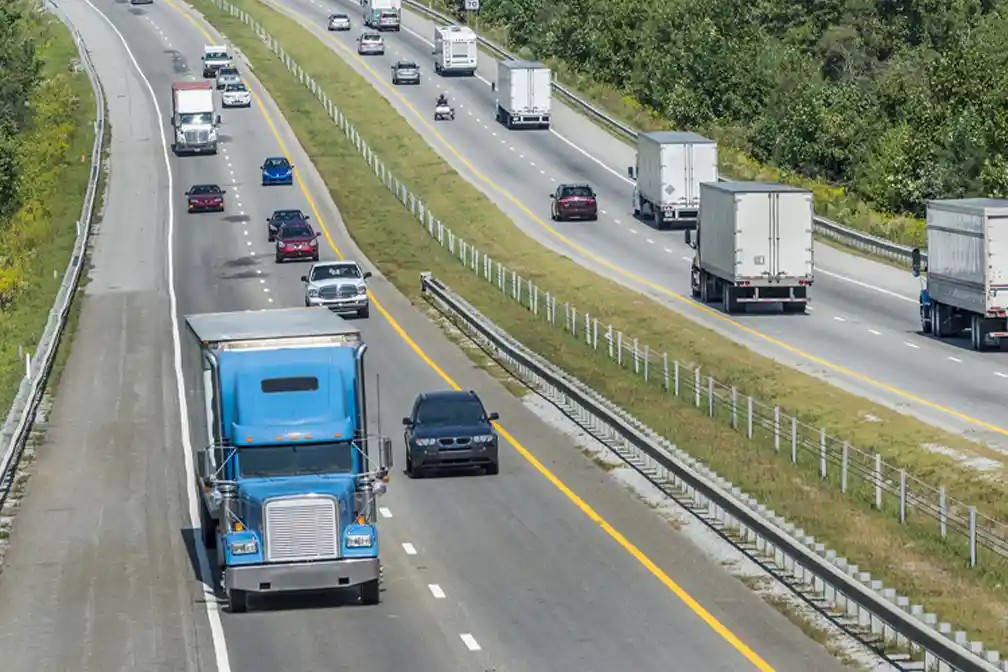
Officers will watch how trucks and cars move through traffic. A truck does not need to have a clear equipment problem to draw attention.
Speeding may lead to a traffic stop. The same is true for unsafe lane changes, short following gaps, or distracted driving.
A traffic stop may still lead to a roadside inspection. That may happen if an officer sees another safety or rule problem.
A Citation May Matter After the Campaign Ends
A warning or ticket may be only the first result for a commercial driver.
Some violations may affect a driver’s motor vehicle record. They may also affect a driver’s job, insurance status, safety bonus, or chance of finding work with another carrier.
Company rules may be stricter than federal rules. Insurance firms may have their own limits as well.
Some driving offenses are listed as serious traffic violations under federal commercial driver rules.
These may include:
- Reckless driving
- Following too closely
- Improper lane changes
- Speeding 15 mph or more over the limit
Repeat convictions for serious traffic violations may lead to a CDL disqualification.
A second qualifying conviction within three years may lead to a 60-day disqualification. A third may lead to a 120-day disqualification.
One normal warning does not mean a driver will lose a CDL.
The final result depends on the offense. It also depends on whether the driver is convicted, the driver’s past record, and the laws in that state.
Still, drivers with a past serious traffic conviction may face more risk. Another qualifying offense could bring a much larger penalty.
Operation Safe Driver Week and CSA Data
A traffic ticket and a roadside inspection violation are not always treated the same way.
A state or local ticket may appear on a driver’s motor vehicle record if the driver is convicted.
A carrier, insurer, or future employer may later review that record.
FMCSA’s Safety Measurement System often uses violations listed on roadside inspection reports. Those violations may affect a carrier’s safety data.
A traffic ticket that is not tied to an inspection report does not always become a violation in the carrier’s Safety Measurement System data.
However, unsafe driving listed on an inspection report may affect the carrier’s Unsafe Driving category.
That category can include:
- Speeding
- Reckless driving
- Texting
- Improper lane changes
- Inattention
This can be important for owner-operators.
A driver who runs under their own authority may face both personal and business effects. Safety data may affect insurance costs, customer ties, and future enforcement reviews.
It may also affect business choices and operating plans.
Speeding Often Leads Safe Driver Enforcement
The 2026 campaign focuses on reckless, careless, and dangerous driving.
Even so, past results show that speeding remains a major issue during Operation Safe Driver Week.
During the 2025 campaign, officers stopped 8,739 commercial and passenger vehicles.
They issued 2,504 citations and 3,575 warnings.
Speeding was the top violation.
Commercial motor vehicle drivers received 491 speeding citations. They also received 1,073 speeding warnings.
Passenger vehicle drivers were stopped as well.
They received 416 speeding citations during the campaign.
These results show that Operation Safe Driver Week does not target only truck drivers.
Officers also watch drivers in cars and other passenger vehicles.
That includes motorists who speed, drive while distracted, make unsafe lane changes, or act in a risky way around large trucks.
What Operation Safe Driver Week Means for Fleets
Motor carriers and fleet safety teams may use this week to review safe driving rules.
Companies may remind drivers to keep more space between vehicles. They may also stress speed limits, seat belt use, and safe lane changes.
Other reminders may focus on handheld phone use and fatigue.
Fleets may also look at telematics alerts, dash camera clips, speeding reports, and following-distance data.
CVSA does not require these steps.
Still, they may help carriers find risky driving before it leads to a crash or traffic stop.
Dispatch and operations teams may also play a role.
Tight delivery times can raise the risk of speeding. Poor trip plans may also cause drivers to rush.
Heavy traffic, bad weather, and delays can add more pressure.
Drivers are still responsible for how they operate their trucks.
However, carriers can lower risk by building more time into routes. That gives drivers more room for rest breaks, traffic delays, and bad road conditions.
Safe Driving Resources Are Still Available
CVSA has released safety materials for professional drivers.
The group offers these tools through its year-round Operation Safe Driver Program.
The materials urge drivers to leave more following space. They also stress the need to avoid distractions.
Drivers are asked to slow down for traffic, weather, and road conditions.
They are also reminded to signal early before changing lanes.
Work zones and emergency vehicles need added care as well.
Trip planning is another key part of safe driving.
A good plan can reduce fatigue. It can also lower the need to rush.
CVSA says its goal is to cut crashes involving commercial vehicles and passenger vehicles.
The group uses traffic enforcement, public outreach, and driver education to support that goal.
Operation Safe Driver Week Results Will Come Later
Law enforcement agencies will send their warning, ticket, and enforcement data to CVSA after the campaign ends.
CVSA will review the numbers.
The group plans to release the 2026 Operation Safe Driver Week results later this year.
Those results may show which violations were most common.
They may also show whether reckless or dangerous driving played a larger role than in past years.
For now, commercial drivers can expect added attention through July 18.
Officers will focus on speeding, distraction, unsafe lane changes, short following gaps, fatigue, and other risky acts.
For CDL holders, avoiding these violations may help prevent more than a roadside fine.
Safe driving may also help protect a driving record, a job, carrier safety data, and the ability to stay on the road.