Cape Cod Bridge Replacement Clears Important Official Step
Cape Cod Bridge replacement plans clear a key federal step, moving the project closer to future construction and possible truck traffic impacts.
Cape Cod Bridge Replacement Clears Federal Approval Step
A major bridge project in Massachusetts has reached an important federal step. The Federal Highway Administration has made its actions final for the Cape Cod Bridge replacement program.
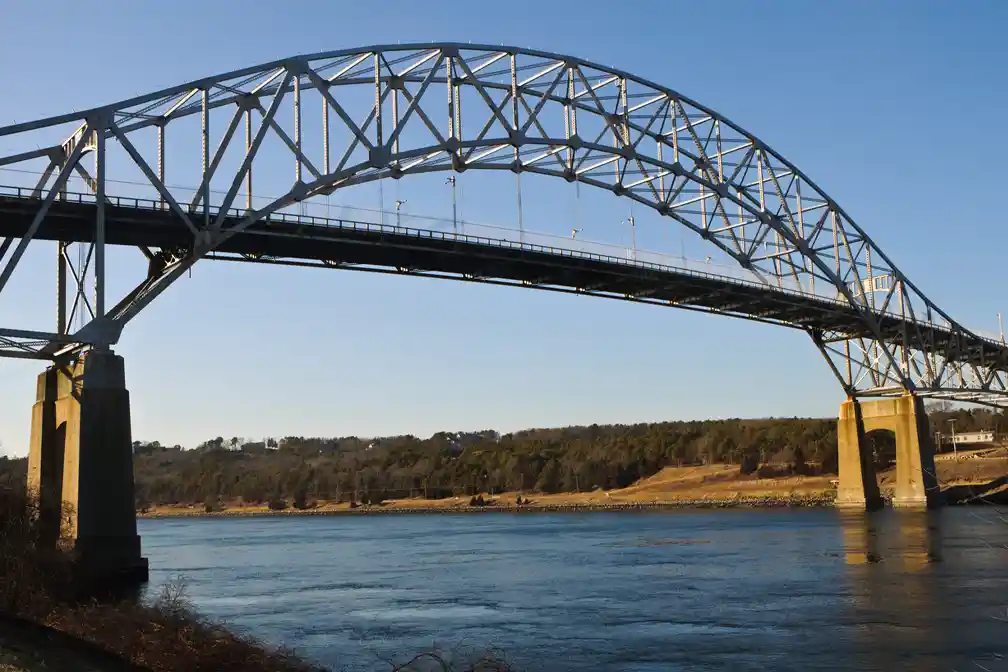
The project would replace the Sagamore Bridge and Bourne Bridge over the Cape Cod Canal. The Sagamore Bridge carries U.S. Route 6. The Bourne Bridge carries State Route 28.
For truck drivers who travel between Cape Cod and mainland Massachusetts, the project could become an important regional issue. The new federal notice does not create trucking rules or traffic limits. However, it moves the bridge replacement plans further through the federal process.
FHWA Finalizes Cape Cod Bridge Actions
FHWA published the notice in the Federal Register on September 2, 2026. The agency said its federal actions on the Cape Cod Bridges Project are now final.
The notice follows an earlier federal approval. FHWA signed a combined Final Environmental Impact Statement and Record of Decision on June 26, 2026.
That decision approved a plan to replace both bridges. The new structures would be built to modern design standards.
The September notice is mainly a legal step. It does not set a construction date. It also does not announce new rules for commercial trucks.
Both Cape Cod Bridge Crossings Are Included
The Cape Cod Bridges Project covers both major highway crossings over the canal. It also includes work on the roads that connect to each bridge.
The Sagamore Bridge carries U.S. Route 6. The Bourne Bridge carries State Route 28. The project also covers nearby approaches and highway connections.
This makes the project important for trucking companies that use either crossing. Drivers moving freight through the area could face changes once major construction begins.
For now, the federal notice gives no details about detours, lane closures, or truck restrictions. Those details would have to come in later project plans.
Aging Bridges Are Driving the Cape Cod Bridge Plan
FHWA said the project is needed in part because the current bridges are aging. The agency also cited rising repair needs and outdated bridge designs.
Federal officials also pointed to problems with the roads around the bridges. These include older approaches, interchanges, and intersections. FHWA said the project is meant to improve vehicle movement as well.
That part of the project could matter to truck drivers. Older road designs can be harder for large trucks to use, especially in busy traffic. Changes to bridge approaches and nearby roads could improve traffic flow in the future.
What the Cape Cod Bridge Project Means for Truck Drivers
The September 2 notice does not cause any immediate change for commercial drivers. It does not change CDL rules, hours-of-service rules, weight limits, inspections, or motor carrier requirements.
The main trucking impact will come later if and when construction moves forward. Drivers who use U.S. Route 6 or State Route 28 near the canal could face work zones and traffic changes.
Large construction projects can affect travel time and delivery schedules. They can also force carriers to adjust routes or plan for delays. The current notice does not say how much traffic could be affected.
Truck drivers, dispatchers, and carriers serving the area may therefore want to follow future project updates. Later plans should provide clearer details on construction traffic and road access.
Legal Challenge Deadline Starts
The notice also starts a legal deadline for challenges to FHWA’s actions.
Most claims seeking court review must be filed within 150 days of the Federal Register publication date. A shorter limit would still apply if another federal law requires one.
This deadline does not directly affect truck drivers. Still, it matters because it sets a limited period for legal challenges to the federal approvals.
The notice lists many federal laws tied to the review. These cover areas such as air quality, wildlife, wetlands, historic sites, water, and hazardous materials.
Most of that section is legal paperwork. It does not create new rules for trucking companies or drivers.
Bridge Replacement Moves Another Step Forward
The main news for the trucking industry is simple. The federal approval process for replacing the Sagamore and Bourne bridges has moved another step forward.
FHWA has approved a plan to replace the old structures with bridges built to modern standards. The broader project also aims to improve roads and traffic flow around the crossings.
Nothing changes for truck drivers right away. Still, the Cape Cod Bridge project could become much more important once construction plans are announced.
For carriers that move freight to and from Cape Cod, future updates could affect routes, travel times, and delivery schedules. The September 2 notice is an early sign that those changes are moving closer.