Vincent ShakirSeptember 3, 20264 Mins read264
New Blatnik Bridge Closure: Looming Detours for Years
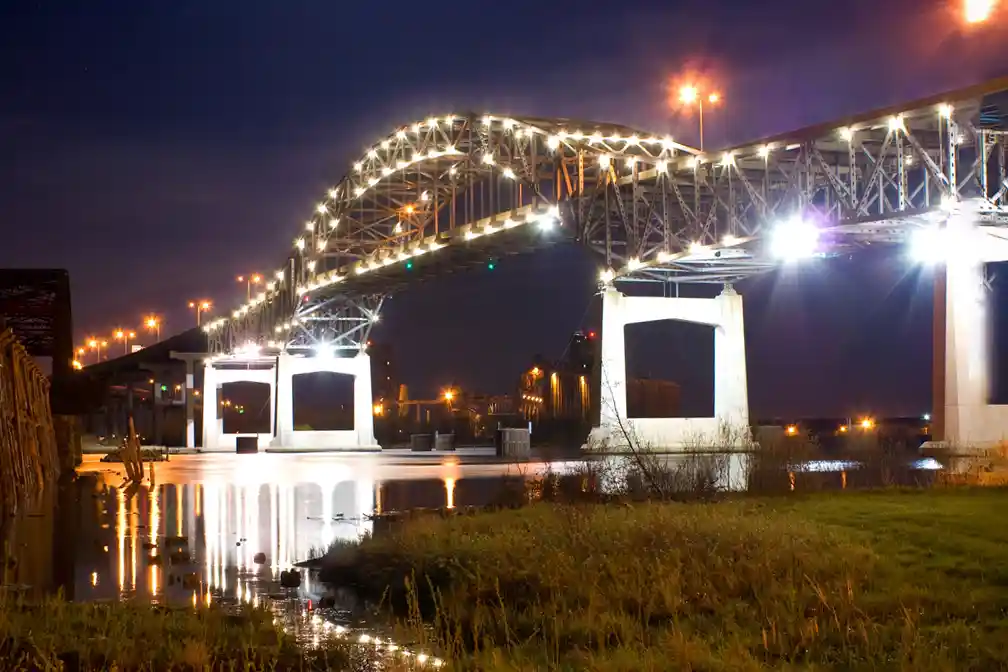
Construction has begun on a $1.8 billion replacement of the Blatnik Bridge between Duluth, Minnesota, and Superior, Wisconsin. The project will rebuild a major freight connection used by thousands of commercial vehicles.
For truck drivers, however, the biggest part of the story is still ahead.
The existing I-535 bridge is expected to close completely in early 2027. That closure could last four to five years while crews build the new crossing. Truck traffic will be shifted to other routes between the two cities during construction.
The replacement is expected to reopen to traffic around 2031. Final cleanup and landscaping work could continue into 2032.
Blatnik Bridge Carries Major Freight Traffic
The Blatnik Bridge is a key connection across the St. Louis Bay. It carries I-535 and U.S. 53 between Minnesota and Wisconsin.
More than 33,000 vehicles use the bridge each day.
The larger transportation network across the St. Louis River also handles more than 265,000 trucks each year. Those trucks move nearly $4 billion worth of goods annually.
That makes the Blatnik Bridge project more than a local bridge replacement. The route supports freight moving through the Twin Ports and connects businesses in the Upper Midwest with larger domestic and international markets.
The Port of Duluth-Superior is also an important part of the regional freight system. It is the largest U.S. port on the Great Lakes and handles goods tied to agriculture, manufacturing, mining, and other industries.
Blatnik Bridge Closure Expected in 2027
Early construction activity is beginning in 2026, but the largest traffic impact is expected next year.
Current plans call for the existing Blatnik Bridge to close completely in early 2027. Traffic is expected to remain off the bridge for about four to five years.
That could create major routing changes for commercial truck drivers who regularly move between Duluth and Superior.
Drivers making local deliveries may need to approach customers from different directions. Regional carriers could also face longer travel times, heavier traffic, and new dispatch plans during the closure.
The exact impact will depend on where a truck begins and ends its trip. Some drivers may see only small changes, while others could face more noticeable detours.
For owner-operators, even small route changes can add operating costs over time. Extra miles, additional fuel use, congestion, and longer trips can affect the cost of regularly serving the area.
Trucks Expected to Use Bong Bridge and U.S. 2
Traffic displaced from the Blatnik Bridge is expected to move mainly to U.S. 2 and the Richard I. Bong Memorial Bridge.
The Bong Bridge is the other major connection between Duluth and Superior.
Wisconsin transportation officials are also preparing nearby roads for increased traffic. Winter Street and Susquehanna Avenue already serve as part of a U.S. 2 truck route in Superior.
Improvements to those roads are being made as officials prepare for the Blatnik Bridge shutdown.
The changes will be important for fleets with regular routes through the Twin Ports. Dispatchers and drivers may eventually need to adjust company routing plans before the full closure begins.
Safety departments may also need to review approved routes, delivery approaches, and traffic patterns as more vehicles are pushed onto the remaining crossings.
New Blatnik Bridge Will Improve Heavy Freight Access
The construction period will create disruptions, but the finished Blatnik Bridge is expected to improve freight movement.
The current bridge has been load-posted since 2019. It cannot carry overweight freight loads.
That restriction is especially important for heavy-haul carriers and other trucking operations that move large or unusually heavy loads.
The new Blatnik Bridge is being designed to better accommodate oversize and overweight freight. Once complete, it should restore a freight capability that the existing structure can no longer provide.
The project will also change road connections on the Wisconsin side.
Plans include replacing the I-535 and Wisconsin Highway 35 interchange, reconstructing part of U.S. 53, and changing several local streets. The completed bridge will provide a more direct connection to U.S. 53.
The existing layout can force some traffic onto local streets. The new design is intended to improve traffic flow and create a stronger freight connection.
$1.8 Billion Blatnik Bridge Project Moves Forward
The full Blatnik Bridge replacement is estimated to cost about $1.8 billion.
The U.S. Department of Transportation has obligated approximately $1.058 billion in federal funding for the project. Minnesota and Wisconsin have each committed about $400 million.
Federal officials marked the start of construction with a groundbreaking ceremony.
Transportation Secretary Sean P. Duffy said the project will support the economies of Duluth and Superior. Federal Highway Administrator Sean McMaster said the bridge will strengthen connections between the Upper Midwest and global markets.
The federal announcement also discussed disagreements over the timing and conditions tied to the funding.
Federal money for the project was initially set aside in January 2024. USDOT said the funding was formally obligated in March 2026 after additional requirements were completed.
The department also highlighted changes involving contracting requirements and Project Labor Agreements. Those issues affect how the project is funded and built, but they do not change the main operational concern for truck drivers.
Years of Detours Before Long-Term Freight Benefits
The Blatnik Bridge replacement will eventually provide a newer freight connection with improved access for heavier loads.
Before those benefits arrive, trucking companies operating around Duluth and Superior will face several years of changed traffic patterns.
The full closure expected in 2027 means commercial traffic will rely more heavily on U.S. 2, the Bong Bridge, and other designated truck routes.
For drivers who cross the St. Louis River regularly, the project could affect trip planning, delivery times, fuel use, and daily routing for years.
Construction is expected to continue through the end of the decade, with traffic returning to the new Blatnik Bridge around 2031.
Once complete, the replacement should remove an aging, weight-restricted bridge from a freight network that carries hundreds of thousands of trucks and billions of dollars in goods each year.