Vincent ShakirJune 11, 20265 Mins read441
Driverless Trucks: PepsiCo Deal Raises Job Concerns
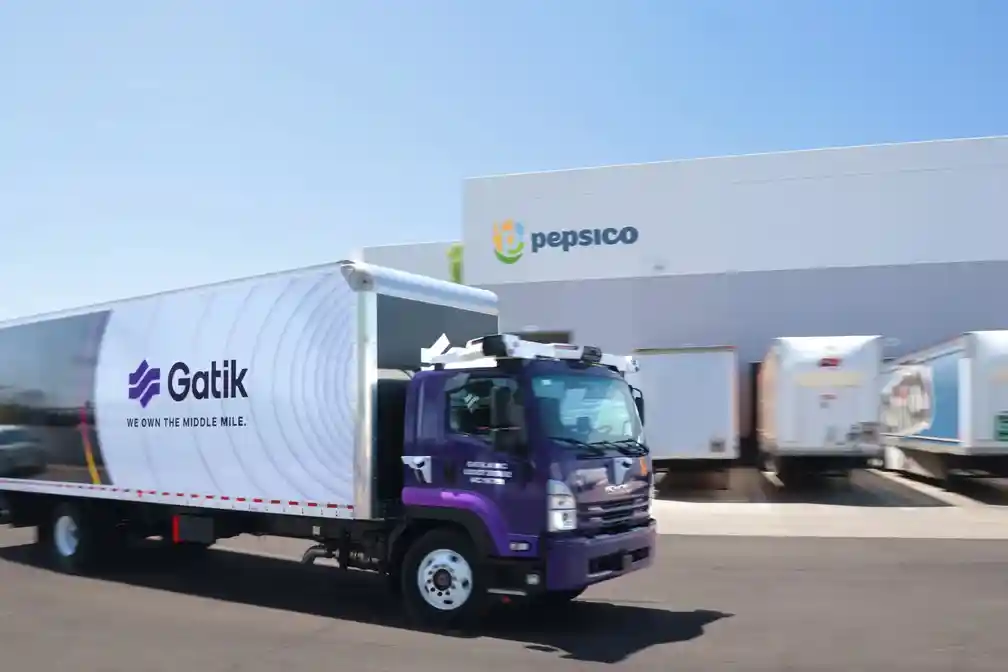
PepsiCo and Gatik have announced a multi-year agreement to deploy autonomous freight in PepsiCo’s North American supply chain. The deal brings driverless trucks into one of the largest food and beverage networks in the world.
The companies said Gatik is already operating for PepsiCo in Texas, Arizona, and Arkansas. The first deployment with PepsiCo began in 2022.
For commercial truck drivers, the story is not just about one company using new technology. It shows where driverless trucks may gain ground first: regional freight routes that move products from site to site each day.
Driverless Trucks Move Into PepsiCo’s Supply Chain
PepsiCo said the partnership is aimed at strengthening its supply chain and improving delivery consistency. The company moves food and beverage products across the United States every day through a large and complex transportation network.
The agreement focuses on PepsiCo’s regional transportation operations. These routes move products between company sites and other supply chain points. They are described as high-frequency and time-sensitive.
That type of freight is important to store shelves, customer service, and daily distribution plans. It is also the kind of freight where companies may see value in automation because the routes are often repeated and closely managed.
PepsiCo said Gatik’s autonomous trucks are already working inside its networks. The companies said the partnership is designed to add capacity, improve reliability, and help products move more consistently.
Why Driverless Trucks Matter to Commercial Drivers
The agreement does not mean autonomous trucks are replacing all commercial truck drivers. However, it does show that major shippers are moving beyond small tests and putting driverless trucks into real supply chain operations.
That matters most for drivers who work in regional, local, and middle-mile freight. These jobs often involve moving freight between plants, warehouses, distribution centers, and other fixed locations.
Gatik’s trucks are designed for end-to-end deliveries across highways and surface streets. The company says its system can support complex regional logistics networks with many pickup and drop-off points.
For drivers, this points to a key trend. Driverless trucks may first grow in lanes that are more predictable, more repetitive, and easier for large fleets to control. Those routes can be easier to plan than long-haul freight that crosses many states and changes often.
Regional Freight Could Face the First Pressure
PepsiCo said the partnership is focused on high-demand regional networks that are hard to staff. That detail is important for the trucking industry.
Many fleets have struggled to fill certain local and regional driving jobs, especially routes with tight schedules or demanding daily operations. Autonomous freight companies often present their technology as a way to add capacity in those hard-to-staff areas.
For company drivers, this may raise questions about how future regional jobs could change. Some routes may stay the same. Others may shift toward more technology support, remote oversight, yard work, customer service, or more complex freight that still needs a human driver.
Owner-operators may see limited direct impact at first. This deal is tied to PepsiCo’s own supply chain and regional network. However, it could still matter in the long term if more large shippers use driverless trucks on dedicated freight lanes.
PepsiCo Says the Goal Is Added Capacity
PepsiCo described the partnership as a way to support customer service and improve how products move through its network. The company said Gatik will help add capacity and reduce variability in daily freight operations.
Jim Farrell, PepsiCo’s Senior Vice President of Supply Chain, said serving the company’s customer network requires a supply chain that is “safe, reliable, and built for the future.”
He said Gatik is already operating inside PepsiCo’s networks and brings the technology, commercial experience, and scale needed to strengthen service, add capacity, and move products more consistently.
That wording matters. PepsiCo is not framing the deal as a way to eliminate drivers. The company says the goal is to support its transportation network and improve consistency.
Still, truck drivers may see the broader signal. When large shippers use automation to add capacity, it can change the type and number of driving jobs needed on certain routes over time.
Gatik Says Driverless Trucks Have Reached Scale
Gatik called the PepsiCo agreement a major commercial step for autonomous trucking. Gautam Narang, Gatik’s CEO and Co-Founder, said autonomous trucking reaches commercial scale when it operates inside one of the most demanding supply chains in the world.
He said Gatik’s autonomous trucks are already moving products every day across Texas, Arizona, and Arkansas.
The companies also said Gatik has achieved more than 98% on-time delivery across its operations. That figure is important because on-time performance is a major concern in food, beverage, grocery, and retail freight.
If driverless trucks can meet tight delivery windows in regional networks, more shippers may look at the technology for similar routes.
Route Flexibility Is a Key Part of the Deal
The companies said Gatik’s system can support dynamic route planning. That means routes can be changed based on daily needs.
PepsiCo may be able to add or remove stops, respond to shifts in demand, and adjust to activity levels across distribution centers. The goal is to reduce delays and keep freight moving with fewer disruptions.
This part of the announcement may be important for fleets and logistics teams. It suggests autonomous freight is being used not only on fixed routes, but also in operations that need daily planning changes.
For drivers, that may show how quickly the technology is moving into more realistic freight settings. Many trucking jobs require flexibility. If autonomous systems can handle more route changes, their use could grow in more parts of regional freight.
What Remains Unclear About Driverless Trucks
The announcement does not provide every detail that truck drivers may want to know.
It does not say how many trucks are involved. It also does not give a full list of routes, delivery points, or safety procedures. The announcement does not explain whether every operation is fully driverless or whether some routes still use onboard safety personnel.
Those details matter. They would help show how far the deployment has moved from testing into regular driverless freight service.
The agreement also does not spell out how PepsiCo’s current driving workforce may be affected. PepsiCo said its approach is based on responsible workforce planning and continued investment in its people. The company also said the goal is to support frontline teams with more flexibility and reliability.
Even so, the long-term labor impact is still a major question for the trucking industry.
What Trucking Businesses Should Watch
Motor carriers, private fleets, and safety departments should pay close attention to this type of deployment.
The PepsiCo-Gatik agreement shows how large shippers may use autonomous trucks first. The early target may not be open-ended long-haul trucking. It may be repeatable regional lanes inside large private or dedicated networks.
That could affect hiring, route planning, insurance, safety programs, and equipment decisions. It may also change how some companies think about staffing hard-to-fill freight lanes.
Recruiters may need to watch this trend, too. If more fleets use driverless trucks for certain regional routes, human drivers may be recruited more heavily for jobs that require judgment, customer contact, specialized skills, or complex freight handling.
A Sign of Where Driverless Trucks May Grow
The PepsiCo and Gatik agreement is a sign that autonomous freight is becoming part of real trucking operations for some major companies.
For now, the impact appears focused on regional freight networks, not the entire trucking industry. Long-haul, specialized, irregular-route, and customer-heavy trucking jobs remain harder to automate.
Still, the deal shows where the pressure may come first. Repeated regional routes inside large supply chains may be one of the first major areas where driverless trucks become a regular part of freight movement.
For commercial truck drivers, the takeaway is clear. Driverless trucks are not replacing the whole industry at once. However, they are moving into the parts of freight that large companies can control, repeat, and scale.