Tesla Q3 Earnings Results
Tesla Q3 earnings for 2024 showed solid growth, although revenue missed some expectations. The company reported $25.18 billion in revenue, an increase of nearly 8% from last year. Despite slightly lower revenues than the last quarter, Tesla’s net income grew to $2.17 billion, up 17% year-over-year. Its gross margin rose to 19.8%, beating analysts’ expectations of 16.8%.
Tesla’s auto sector continues to lead its revenue, bringing in $20.02 billion. This division grew 2% over last year. The company delivered about 462,890 vehicles globally in Q3, an increase of over 6% compared to the same quarter last year. Demand for Tesla’s EVs remains strong despite economic concerns, with Tesla expecting slight growth in vehicle deliveries in 2024.
Growing Interest in Energy and Storage Solutions
Tesla’s energy generation and storage business saw the most impressive growth, with revenue reaching $2.38 billion, a 52% increase from last year. This surge shows Tesla’s progress in renewable energy, a sector it has invested in heavily over recent years. The strong performance of the energy segment highlights Tesla’s potential beyond electric cars.
Tesla’s Plans for the Semi Truck
Tesla’s Semi truck program is making big strides. The company expects to ramp up to full production by the end of 2026. During the October earnings call, Lars Moravy, Tesla’s Vice President of Vehicle Engineering, shared that pilot builds of the Semi are set to start in late 2025. Full production will follow, with Tesla’s factory in Reno, Nevada, reaching a planned annual output of 50,000 Semi trucks.
CEO Elon Musk expressed strong optimism about the Semi’s demand, describing it as “ridiculous.” He explained, “If you’ve got a Semi, the fully considered cost per mile per ton of transport is better than a diesel truck. Any company that doesn’t adopt an electric Semi will lose.” This comment reflects Musk’s confidence that the Semi will disrupt the trucking industry.
Positive Feedback from Early Users
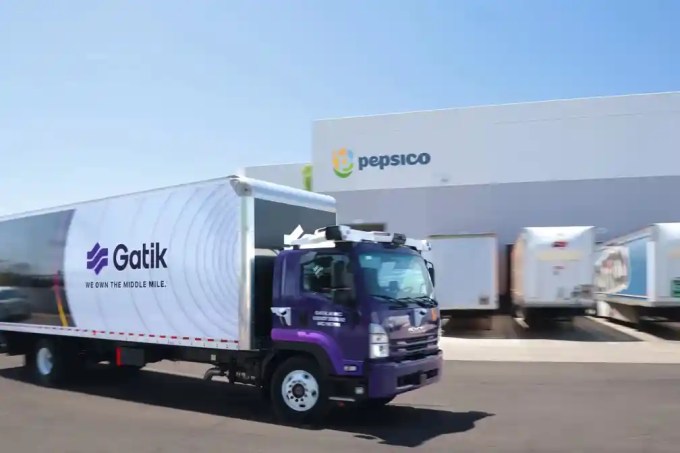
Feedback from companies testing the Semi has been overwhelmingly positive. PepsiCo, which has been an early tester, praised the Semi, saying drivers prefer it over other trucks. PepsiCo noted that its drivers have quickly adapted to the Semi, enjoying its ease of operation and performance. Tesla’s Semi also impressed during recent trials with the North American Council for Freight Efficiency’s “Run on Less-Electric Depot” program. In one trial, the Semi completed 384 miles on a single charge and traveled 806 miles over 24 hours.
Mike Roeth, Executive Director of the NACFE, was enthusiastic about the Semi’s capabilities, stating, “The Tesla numbers speak for themselves. They are showing us sort of the future…this is more the art of the probable, because it is real trucks, real freight.”
DHL Supply Chain USA, another early tester, praised the Semi’s range and reliability during a two-week trial. The logistics company, ranked 14th on the Transport Topics Top 100 list, shared that its drivers covered 3,000 miles with the Semi during regular operations. “Our verdict: The Tesla Semi is ready for prime time!” DHL concluded, noting it plans to integrate more Semis into its network once production begins.
Expansion Beyond North America
Tesla’s Semi program is also set to expand globally. The vehicle recently appeared at Tesla’s Giga Berlin factory, where it was displayed as a sign of Tesla’s future plans to bring the Semi to Europe. In a social media post on Oct. 15, Musk confirmed that the Semi would be available worldwide.
Looking Ahead
Tesla’s third-quarter results reflect its focus on both expanding electric vehicles and making progress in the trucking industry. With promising feedback on the Semi and a detailed plan for ramping up production, Tesla’s commercial trucking sector shows potential for growth. The success of the Semi could give Tesla a strong presence in the commercial transport industry in the years to come.

 Vincent ShakirOctober 31, 20243 Mins read1.3k