dayileyvasJune 11, 20262 Mins read66

South Carolina’s Rubber Duck Operation Targets CDL Fraud and Safety Violations
Federal and state agencies recently released results from Operation Rubber Duck. The multi-agency enforcement effort focused on commercial drivers, fraudulent CDLs, illegal operator licenses, and highway safety violations in South Carolina. The operation took place May 12-14 along the I-85 corridor near Greer and involved Homeland Security Investigations (HSI), U.S. Immigration and Customs Enforcement (ICE), the South Carolina Law Enforcement Division, State Transport Police, and local law enforcement agencies.
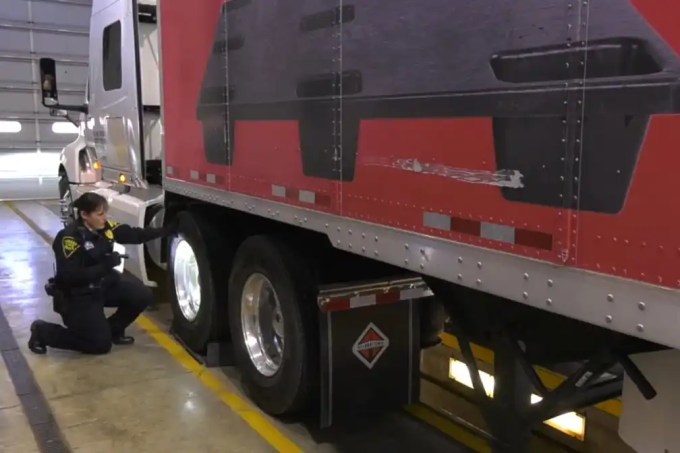
While Operation Rubber Duck included broader criminal enforcement activities, the operation’s trucking-related focus centered on commercial driver credentials, roadside inspections, and compliance with safety regulations. Officials reported dozens of inspections, traffic citations, and out-of-service orders during the three-day initiative.
What Was Operation Rubber Duck?
According to federal officials, Operation Rubber Duck targeted fraudulent CDL holders, individuals operating with illegal licenses, and over-the-road truck drivers traveling through one of South Carolina’s busiest freight corridors.
The operation was conducted near Greer along I-85, a major trucking route that connects freight movement throughout the Southeast.
Rubber Duck Results Included Inspections and Out-of-Service Orders
Federal authorities reported the following combined results from Operation Rubber Duck and related enforcement activities:
- 145 vehicle stops
- 77 vehicle inspections
- 89 traffic and safety citations
- 22 drivers and vehicles were placed out of service
- 114 criminal and administrative arrests
- 10 kilograms of cocaine were seized, with an estimated value of $200,000
For trucking companies and drivers, the inspection and out-of-service numbers provide a look at the types of violations that can be identified during coordinated roadside enforcement operations.
Why Commercial Driver License Fraud Matters
CDLs are required for individuals operating large commercial vehicles in interstate commerce. Drivers must meet testing, training, medical certification, and qualification requirements before receiving a CDL.
When authorities identify fraudulent CDLs or improperly issued licenses, concerns can arise regarding driver training, qualifications, and compliance with federal safety regulations.
Enforcement agencies across the country periodically conduct operations aimed at identifying licensing violations and ensuring drivers possess the proper credentials required to operate commercial vehicles.
Understanding Out-of-Service Orders
One of the more notable findings from Operation Rubber Duck was the removal of 22 drivers and vehicles from service.
An out-of-service order prevents a driver or vehicle from continuing operations until identified violations are corrected.
Drivers may be placed out of service for reasons such as licensing issues, hours-of-service violations, or other serious safety concerns. Vehicles can also be removed from service when inspectors discover mechanical defects that create an immediate safety risk.
Out-of-service orders are a common enforcement tool used during roadside inspections and safety initiatives.
What Drivers Can Learn From Operation Rubber Duck
Although Operation Rubber Duck focused on specific enforcement objectives, the results highlight several areas that professional drivers can monitor to avoid violations.
Drivers can reduce compliance risks by:
- Maintaining a valid CDL
- Keeping medical certification information current
- Following hours-of-service requirements
- Carrying required documentation
- Completing pre-trip and post-trip inspections
- Addressing vehicle defects before operating
Many roadside inspections begin as routine enforcement stops and can expand when inspectors identify documentation, licensing, or vehicle-related issues.
The Bigger Picture
Operation Rubber Duck highlights how commercial vehicle enforcement efforts often involve more than basic traffic enforcement. Modern roadside operations may include driver credential verification, vehicle inspections, safety compliance reviews, and criminal investigations conducted by multiple agencies.
For the trucking industry, the operation serves as a reminder that commercial driver qualifications, licensing compliance, and vehicle safety remain key areas of focus during roadside enforcement activities.