dayileyvasNovember 25, 20263 Mins read66
EPA Expands Border Cargo Inspections in Southern Texas
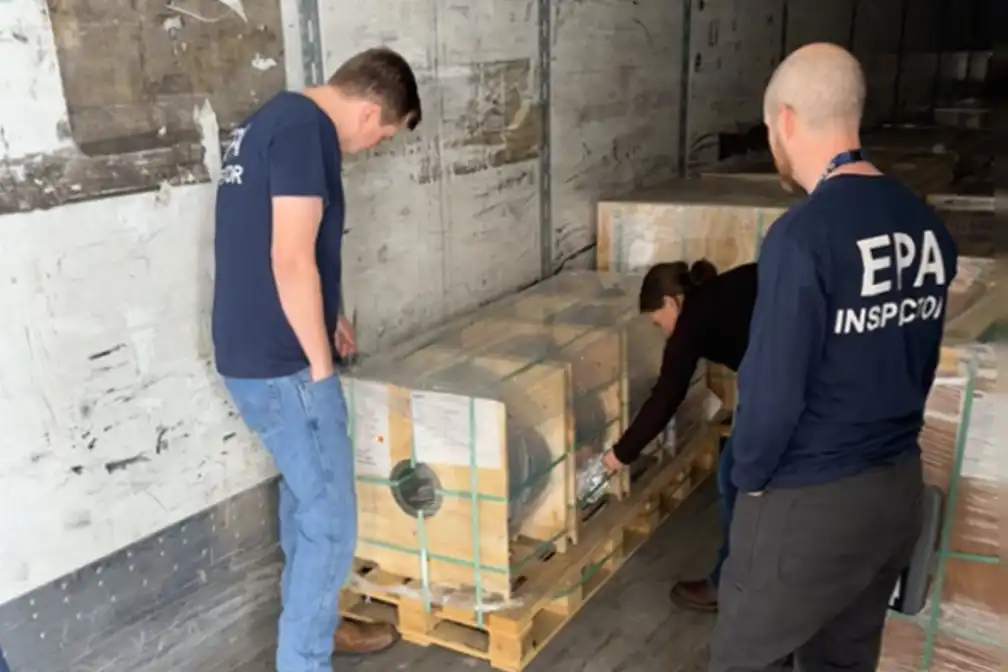
The U.S. Environmental Protection Agency (EPA) is expanding its efforts to prevent illegal and potentially dangerous products from entering the United States. The latest border cargo inspections took place in southern Texas, where federal officials examined imported goods at two ports of entry. In a November 24, 2026, announcement, the EPA confirmed that its inspectors worked alongside U.S. Customs and Border Protection (CBP) officers during a weeklong enforcement operation.
The initiative is part of a broader federal effort to strengthen import enforcement across the country. For commercial truck drivers and carriers involved in international freight transportation, the operation signals a greater federal focus on cargo entering the United States through land border crossings.
Border Cargo Inspections Target Southern Texas
The latest enforcement operation focused on two locations:
- Port of Brownsville: Located at the southern tip of Texas.
- Pharr Port of Entry: A major commercial crossing at the Pharr–Reynosa International Bridge, connecting Texas with Reynosa, Mexico.
The operation marked the first inspection campaign under EPA’s fiscal year 2027 import enforcement initiative. During the visit, senior EPA officials met with local port leadership to discuss emerging threats, inspection efficiency, and opportunities to improve cooperation between federal agencies.
EPA Assistant Administrator Jeffrey A. Hall also emphasized the importance of establishing a consistent federal inspection presence at land ports of entry. The agency aims to identify illegal products before they enter the domestic supply chain.
Federal Inspections Block Over 490,000 Pounds of Illegal Goods
The Texas operation follows several enforcement campaigns conducted throughout 2026. According to the EPA, coordinated import inspection efforts since January 2026 have resulted in:
- 181 shipments inspected.
- 461 individual products inspected.
- More than 490,000 pounds of noncompliant products prevented from entering U.S. commerce.
These figures represent the combined results of the broader federal initiative rather than the latest Texas operation alone.
The EPA did not provide separate inspection totals for Brownsville and Pharr. The agency also did not announce how many commercial trucks were inspected or whether any drivers faced enforcement actions during the operation.
What Products Are Federal Inspectors Targeting?
The inspection initiative focuses on imported goods that fail to meet U.S. environmental and product safety requirements. These include banned pesticides, illegal chemicals, and potentially harmful consumer products.
According to the EPA, noncompliant pesticides can contribute to environmental damage, harmful chemical residues on food crops, and risks to human health.
Federal inspectors operate under several existing laws, including:
- The Clean Air Act (CAA).
- The Toxic Substances Control Act (TSCA).
- The Safe Drinking Water Act (SDWA).
- The American Innovation and Manufacturing Act (AIM Act).
- The Federal Insecticide, Fungicide, and Rodenticide Act (FIFRA).
The latest enforcement operation does not establish new environmental regulations. Instead, it strengthens enforcement of existing federal requirements for imported products.
Inspections Extend Beyond Border Crossings
Federal enforcement efforts are not limited to commercial freight entering the country. During the Texas operation, EPA inspectors also examined retail businesses in Brownsville and McAllen that were suspected of selling illegal pesticides and related imported products.
These retail inspections help federal authorities trace noncompliant goods through the supply chain. Investigators can examine distribution networks and identify the original sources of prohibited imports.
This approach connects border enforcement with domestic product distribution, making the initiative relevant to multiple stages of freight transportation. For trucking companies, this can include international shipments as well as domestic transportation involving imported goods.
What Border Cargo Inspections Mean for Truck Drivers
The expansion of federal import enforcement is particularly relevant to truck drivers transporting freight between Mexico and the United States. Additional cargo inspections could affect border processing times, shipment clearance, and delivery schedules. However, the EPA has not reported any specific transportation delays resulting from the latest operation. For cross-border carriers, accurate shipping documents and coordination with importers, freight brokers, and customs brokers remain important parts of the transportation process.
When authorities identify noncompliant cargo, a shipment may be prevented from entering U.S. commerce. In some cases, federal authorities may direct that the products be exported back out of the country. Such decisions could disrupt scheduled deliveries and require changes to transportation arrangements.
However, responsibility for product compliance should not automatically be assigned to the truck driver. Importers, shippers, carriers, and other supply chain participants have different responsibilities depending on the cargo and applicable regulations.
Federal Import Enforcement Expands Nationwide
The latest Texas operation is part of a national enforcement strategy that reaches beyond the U.S.–Mexico border.
During fiscal year 2026, similar inspection campaigns took place at:
- Savannah, Georgia.
- New York and Newark, New Jersey.
- Los Angeles and Long Beach, California.
- Houston, Texas.
- Pembina, North Dakota, along the U.S.–Canada border.
The expansion across both seaports and land crossings makes the initiative relevant to cross-border truck drivers, port drayage operators, and carriers transporting imported freight. EPA and CBP are also working to improve coordination so that potentially harmful products can be identified before entering domestic markets.
Continued Federal Oversight of Commercial Freight
The latest inspection campaign reflects an ongoing effort to strengthen federal oversight of imported products. While the immediate focus is southern Texas, previous operations across the country demonstrate the broader reach of the initiative.
For the trucking industry, the potential effects are primarily related to cargo clearance, transportation schedules, and supply chain compliance rather than changes to driver qualifications or vehicle operating regulations.