dayileyvasNovember 24, 20263 Mins read41
Diesel Prices Fall 24 Cents Ahead of Thanksgiving
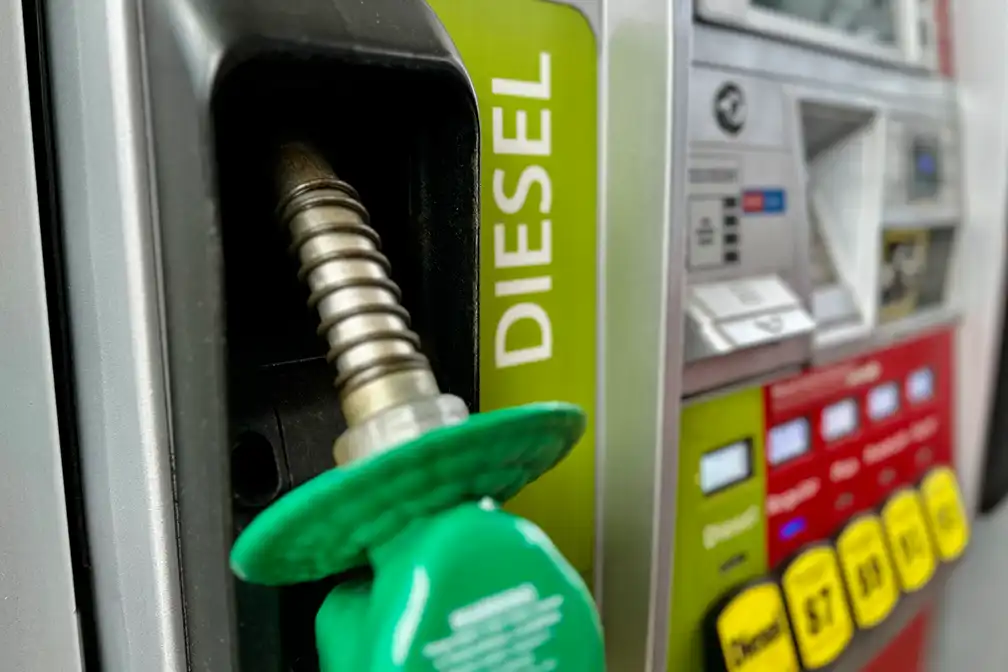
Diesel prices continued to fall across the United States during the week of November 23, 2026, bringing some relief to commercial truck drivers ahead of Thanksgiving. According to the latest data from the U.S. Energy Information Administration (EIA), the national average price for on-highway diesel dropped by 24.2 cents to $5.695 per gallon.
All major reporting regions recorded price decreases, with California and the Midwest experiencing the largest declines. Despite the recent reductions, diesel remains significantly more expensive than last year. High fuel costs continue to put financial pressure on owner-operators and trucking companies.
National Diesel Prices Continue to Fall
The national average diesel price has declined by 43.2 cents per gallon over the past two weeks.
The latest EIA figures show the following changes:
- November 9: $6.127 per gallon.
- November 16: $5.937 per gallon.
- November 23: $5.695 per gallon.
The latest weekly decrease represents a reduction of approximately 4.1%. However, the national average remains $1.864 higher than one year ago and $2.156 higher than two years ago. Compared with the same period in 2025, truck drivers are paying approximately 48.7% more for diesel fuel.
Diesel Prices Decline Across All U.S. Regions
Every region included in the EIA’s weekly report recorded lower diesel prices. However, fuel costs continue to vary considerably across the country.
The latest regional averages are:
East Coast: $5.619 per gallon, down 16.3 cents.
New England: $6.064, down 16.1 cents.
Central Atlantic: $6.146, down 16.3 cents.
Lower Atlantic: $5.378, down 16.3 cents.
Midwest: $5.671 per gallon, down 29.6 cents.
Gulf Coast: $5.294 per gallon, down 25.3 cents.
Rocky Mountain: $5.772 per gallon, down 23.9 cents.
West Coast: $6.709 per gallon, down 23.9 cents.
West Coast excluding California: $6.079, down 19 cents.
California: $7.436, down 29.7 cents.
California recorded the largest price decrease among all reporting areas, followed closely by the Midwest. The Gulf Coast remains the most affordable major region for diesel. Meanwhile, California continues to have the highest average fuel price in the report.
California Diesel Prices Remain Above $7
Despite recording the largest weekly decline, California’s diesel prices remain well above the national average. At $7.436 per gallon, diesel in California costs $1.741 more than the national average and $2.142 more than the Gulf Coast average.
California’s diesel price also remains $2.453 higher than during the same week last year. These regional differences can significantly affect operating expenses for long-haul truck drivers traveling across multiple states.
Based on the latest regional averages, purchasing 150 gallons of diesel would cost approximately:
- Gulf Coast: $794.10.
- Midwest: $850.65.
- East Coast: $842.85.
- Rocky Mountain: $865.80.
- West Coast: $1,006.35.
- California: $1,115.40.
The difference between California and the Gulf Coast amounts to $321.30 for a 150-gallon fuel purchase. Actual prices may vary depending on the location, truck stop, and available fuel discounts.
Crude Oil Prices Hit Three-Month Lows
The latest decline in retail diesel prices comes as global crude oil markets also experience downward pressure. According to Reuters, crude oil futures fell more than 3% on Monday, November 23, reaching their lowest closing levels in approximately three months.
Monday’s closing prices included:
- Brent crude: $89.37 per barrel, down 3.46%.
- West Texas Intermediate (WTI): $80.17 per barrel, down 3.88%.
Increased oil supplies from the Middle East and the reopening of a major Libyan oil pipeline contributed to the decline. Expectations that global oil supplies could exceed demand have also placed downward pressure on crude prices.
However, supply risks remain. Continued tensions in the Middle East and concerns about shipping through the Strait of Hormuz could limit further price reductions. Oil prices showed signs of recovery during Tuesday trading following renewed concerns about shipping disruptions. Oil-producing countries are also scheduled to hold an OPEC+ meeting on November 29, which could influence future production decisions and energy prices.
Lower Crude Oil Prices May Not Immediately Reduce Diesel Costs
Although crude oil is a major component of diesel production costs, retail diesel prices do not always follow crude oil prices at the same pace.
Several additional factors influence the price at the pump, including:
- Refinery production capacity.
- Diesel inventories.
- Seasonal heating fuel demand.
- Transportation and distribution costs.
- Federal and state fuel taxes.
- Global demand for refined petroleum products.
During the winter months, increased demand for heating oil can also affect the market for distillate fuels, which include diesel. As a result, falling crude oil prices may support lower diesel prices without guaranteeing immediate or equally large reductions at truck stops.
Gasoline Prices Also Move Lower
The EIA reported another nationwide decrease in regular gasoline prices. The national average dropped by 16.3 cents to $3.642 per gallon. Gasoline prices declined across all reporting regions, with the Midwest recording the largest decrease of 22.4 cents per gallon.
Despite the latest reduction, regular gasoline remains 58.1 cents more expensive than one year ago. The difference between national diesel and gasoline prices currently stands at $2.053 per gallon.
What Lower Diesel Prices Mean for Truck Drivers
The recent decline in diesel prices provides some financial relief for owner-operators and trucking businesses during the holiday shipping season. At the current national average, a 150-gallon diesel purchase costs $854.25. That is $36.30 less than the previous week and $64.80 less than two weeks ago. However, the same amount of fuel costs $279.60 more than it did one year ago.
These higher year-over-year expenses continue to affect operating costs and profit margins, especially for independent truck drivers responsible for purchasing their own fuel. While the recent decline is encouraging, uncertainty in global oil markets and seasonal fuel demand could influence diesel prices in the coming weeks.