JimSeptember 28, 20244 Mins read1.5k

Vehicle Miles Traveled (VMT) on the Rise: What It Means for Truck Drivers
The number of vehicle miles traveled (VMT) across the U.S. has been increasing, and this trend has important effects on the trucking industry. Findings from a new Streetlight Data report shows how VMT and traffic congestion have changed from January 2019 to May 2024. Here’s what truck drivers need to know about these changes.
VMT is Rising Again
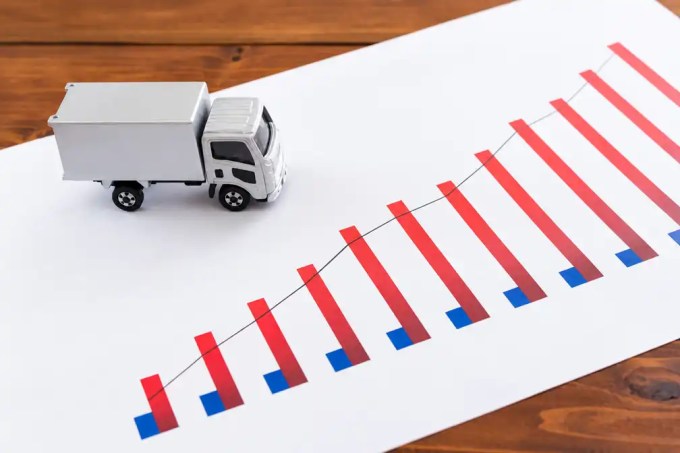
During the COVID-19 pandemic, vehicle miles traveled dropped as fewer people were on the roads. But as life returned to normal, it began to rise again. In fact, by 2024, the increase in VMT was the highest since the initial post-pandemic surge in 2021.
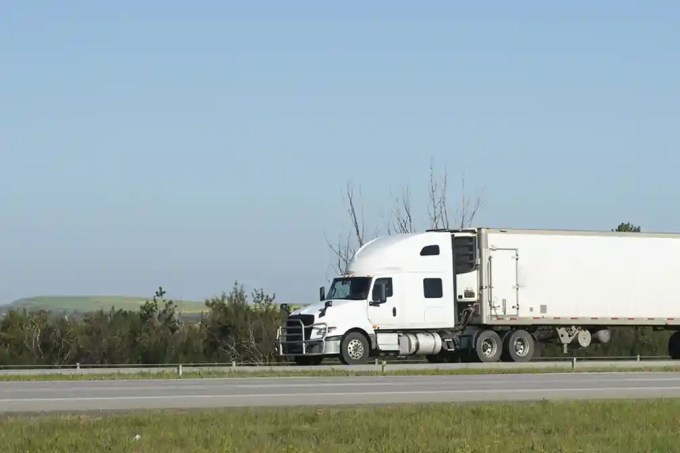
For truck drivers, this means there are more vehicles on the road, which leads to more traffic jams, especially in large cities. This can cause delays, making it harder to stay on schedule. Traffic congestion also increases fuel use, which can raise costs for truckers.
Traffic and VMT Go Hand in Hand
The report shows a strong link between the rise in VMT and traffic jams, especially in the top 25 most populated areas. In cities like New York, traffic congestion has gotten worse as vehicle miles traveled has gone up. This can cause big delays for truck drivers working in busy regions.
Truckers in the New York metro area, which includes parts of New Jersey and Pennsylvania, are feeling the impact. This area saw the biggest jump in both VMT and traffic. Truck drivers delivering goods in and around New York City may find it harder to meet delivery deadlines due to the increase in traffic.
Rising Fuel Costs and Emissions
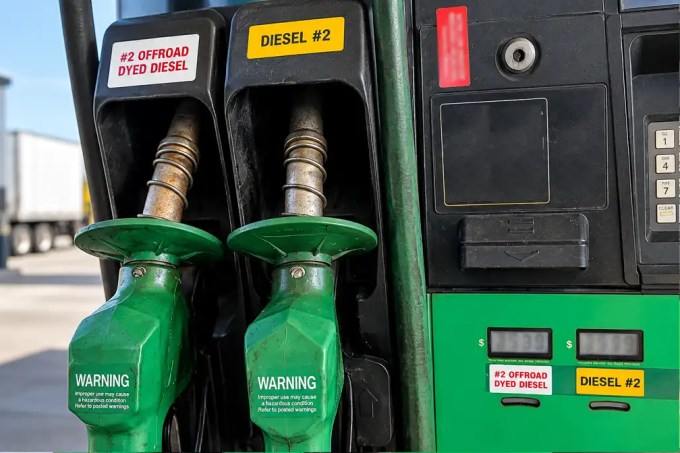
More miles traveled usually means more fuel is used. For truck drivers, this is a big concern because fuel is one of their largest expenses. Congestion only adds to the problem, with trucks burning extra fuel while sitting in traffic. This means higher costs for truck drivers and companies.
On top of that, more miles traveled means more pollution. The report warns that transportation is the largest source of U.S. emissions. As VMT goes up, truckers may have to deal with stricter rules aimed at cutting emissions in the future.
VMT Differences Between Regions
The rise in vehicle miles traveled isn’t the same everywhere. Some states, like California, have managed to keep their vehicle miles traveled levels steady. Cities like San Francisco, Los Angeles, and San Diego have seen VMT stay the same or even decrease compared to pre-pandemic levels. This is due to efforts to encourage public transportation and better city planning.
On the other hand, cities in the southeastern U.S., such as Atlanta, Greenville, and Birmingham, are seeing big jumps in VMT. Truck drivers working in these areas should prepare for more traffic and longer delivery times.
What Truckers Should Expect
As vehicle miles traveled continues to rise, truck drivers will likely face several challenges:
- More Traffic: With more vehicles on the road, truck drivers can expect more traffic jams, especially in big cities. This will likely cause more delays and could affect delivery schedules.
- Higher Fuel Costs: As congestion increases, trucks will use more fuel, which could lead to higher operating costs. Planning efficient routes and using real-time traffic data will be essential.
- New Environmental Rules: As VMT and emissions increase, truck drivers might face new regulations aimed at reducing pollution. This could mean stricter emissions standards or a push toward alternative fuel vehicles.
- Adopting New Technology: Some cities are using technology to help manage traffic problems. Tools like StreetLight InSight® allow drivers to access detailed traffic data, including truck-specific information, which can help truckers find the best routes and avoid delays.