Vincent ShakirNovember 27, 20264 Mins read40
PACCAR Recalls 6,185 Trucks Over Unintended Braking
Unintended braking is the focus of a new PACCAR safety recall involving more than 6,000 Kenworth and Peterbilt trucks. A radar software error may cause certain trucks to apply their brakes when it is not needed. The defect may occur when the system detects a stopped or slow-moving vehicle in the lane to the left of the truck.
PACCAR filed the recall with the National Highway Traffic Safety Administration (NHTSA) on November 11, 2026. The agency acknowledged the recall on November 18. According to NHTSA, unintended braking increases the risk of a crash.
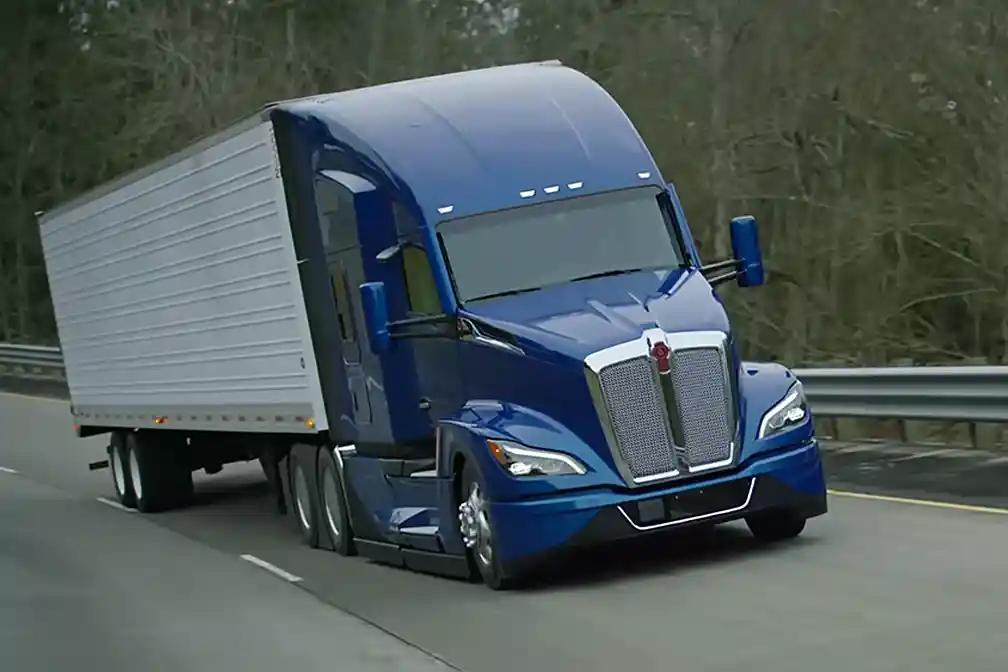
The recall covers six truck models from the 2027 model year. Dealers will fix the issue through a free software update.
Radar Software Error May Cause Unintended Braking
The defect involves the forward-looking radar used in the trucks’ automatic emergency braking systems (AEB). These systems help prevent crashes or reduce their severity. However, a software error may cause the radar to respond to vehicles outside the truck’s lane.
According to PACCAR’s safety recall report, certain software settings are not stored correctly in the radar’s memory. When this occurs, the system relies on a default setting. This setting makes the system treat the radar as if it were farther to the left than it actually is.
As a result, the system may mistake a vehicle in the next lane for a threat. This can lead to unintended braking when the vehicle is not in the truck’s path. PACCAR did not identify any warning linked to the defect.
The company states that its forward collision mitigation system is not affected by the error. A camera still detects objects in the truck’s own lane.
Kenworth and Peterbilt Truck Models Affected
The recall covers 6,185 potentially affected trucks. All are from the 2027 model year and were built during specific periods in 2026.
The following models are included in the recall:
- Kenworth
- T680: 2,790 trucks built from May 18 to October 8.
- T880: 341 trucks built from May 20 to October 8.
- W990: 7 trucks built from August 11 to August 20.
- Peterbilt
- 579: 2,708 trucks built from April 27 to October 8.
- 567: 280 trucks built from February 11 to October 8.
- 589: 59 trucks built from May 14 to September 30.
The Kenworth T680 and Peterbilt 579 account for nearly 89% of the recall. Both models are widely used in long-haul trucking.
PACCAR estimates that 0.1% of the trucks included in the recall contain the defect. This does not mean that all 6,185 trucks have faulty radar software or have experienced unintended braking.
Several of these models are also included in other recent safety recalls. PACCAR issued a separate Kenworth driveline recall involving 982 trucks in November. Another recall involves 26,729 Kenworth and Peterbilt trucks with a potential fuel hose defect.
Unintended Braking Reports Led to a Recall
PACCAR began taking steps to address the issue in October. On October 16, the company’s safety and compliance team learned of reports of automatic emergency braking events. The company then decided to hold trucks at its plants.
By October 19, corrected software was available for trucks still at the plants. PACCAR also began using the updated software in its production process. Further talks with Bendix, its radar supplier, took place on October 20 and October 30.
On November 4, PACCAR’s safety committee decided to move forward with a recall. By that date, the company had received eight warranty claims and eight field reports that may be linked to the defect. No deaths or injuries related to the issue had been reported to PACCAR as of November 4.
Why Unintended Braking Matters to Truck Drivers
Sudden braking can create safety risks for commercial truck drivers. This may be a concern on busy highways, in heavy traffic, or on wet and icy roads. Vehicles behind a truck may have little time to react to an unexpected drop in speed.
Unintended braking may also raise concerns for drivers who work for fleets that track hard-braking events. Some motor carriers use this data to review driver safety. Reports of unwanted braking could help safety teams determine whether an event was caused by the driver or the truck’s safety system.
For owner-operators, the recall may also create business concerns. While the software update will be free, a trip to a dealer could take a truck off the road. Motor carriers may also need to adjust their maintenance plans to complete the repairs.
PACCAR is not the only truck maker to face a recent safety recall tied to braking software. Volvo and Mack recently issued recalls over a separate braking software issue that may affect trailer braking during certain tanker truck operations.
Free Software Update and Recall Notices
Kenworth and Peterbilt dealers will install new radar software at no cost to truck owners. The update will fix the issue that prevents the radar from storing the correct settings.
PACCAR’s safety recall report lists January 10, 2027, as the planned date for dealer and owner notices. Vehicle identification numbers (VINs) are also set to become searchable through the NHTSA recall database on that date.
Truck owners and fleet managers can contact the following numbers for more information:
- Kenworth Customer Service: 425-828-5888
- Peterbilt Customer Service: 940-591-4220
- NHTSA Vehicle Safety Hotline: 888-327-4236
The NHTSA campaign number is 26V744000. PACCAR’s recall number is 26PACL.
The Role of Safety Technology in Modern Trucking
Automatic emergency braking systems are designed to help truck drivers avoid crashes. However, the PACCAR recall shows how a software error can cause a safety system to respond when it should not.
Federal safety officials have also been studying the link between driver behavior and crash prevention technology. More recently, NHTSA proposed a study to learn how drivers respond when systems that provide partial truck automation reach their limits.
For commercial truck drivers, these systems are part of the daily work of operating modern trucks. Knowing how they work and reporting unusual braking events can help fleets find safety issues.
The recall also highlights the need for truck owners and motor carriers to keep track of safety recalls. In this case, a free software update is the planned fix for a defect that may cause unintended braking while trucks are on the road.