dayileyvasMarch 12, 20262 Mins read149
South Dakota Governor Signs CDL and English Proficiency Bills
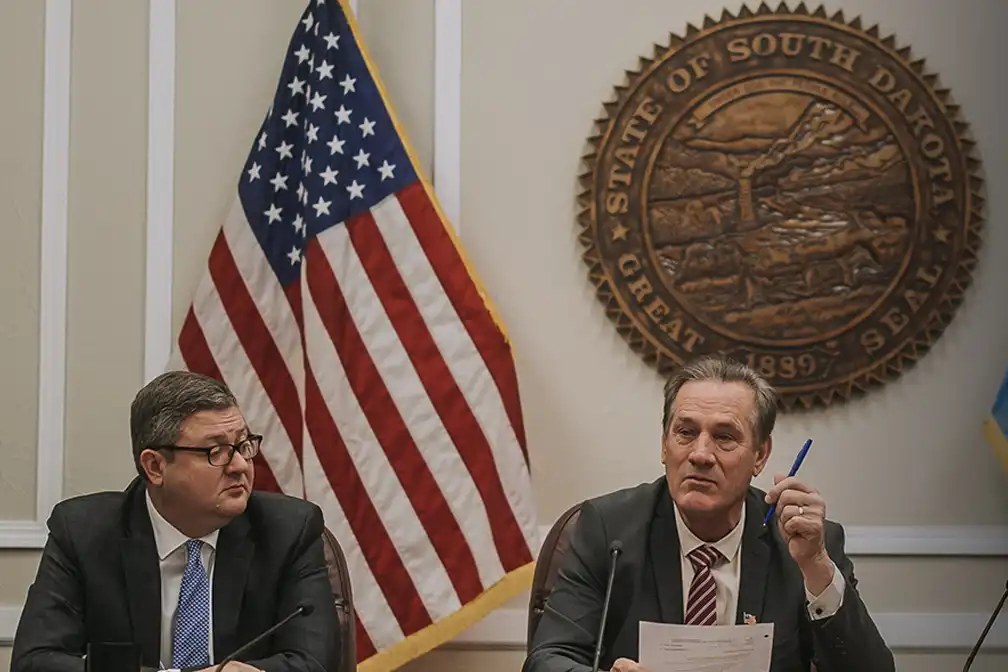
South Dakota Governor Larry Rhoden has signed two bills. The SB 164 and SB 180 are related to commercial driver licensing (CDL) and English language proficiency (ELP). State officials say the move is intended to strengthen highway safety standards. The measures were signed on March 10, 2026. Leaders in South Dakota say the legislation reinforces licensing requirements for truck drivers operating in the state.
South Dakota Bills to Deliver Dalilah’s Law
According to the governor’s office, the bills are part of an effort referred to as “Dalilah’s Law,”. The initiative focuses on ensuring truck drivers meet communication and licensing standards tied to safety and regulatory compliance.
“These bills are commonsense steps to improve public safety by guaranteeing that truckers can read our road signs and making sure that only citizens and legal immigrants hold CDLs,” Rhoden said in a statement announcing the legislation.
Dalilah’s Law includes SB 164, which addresses ELP for truck drivers, and SB 180, which modifies rules related to nondomiciled CDL.
SB 164: New English Proficiency Requirements for CDL Holders
One of the new laws signed in South Dakota is SB 164, which requires CDL holders to demonstrate ELP.
Under this law, CDL applicants must complete knowledge and skills tests administered in English. The legislation also allows the state to conduct an oral interview in English. This is to confirm that drivers can understand questions related to traffic signs, law enforcement instructions, and other safety communications.
If a CDL applicant passes the written and driving tests but fails the ELP interview, the applicant may repeat the interview after a waiting period. However, the state cannot issue a CDL until the ELP is met.
SB 180 Modifies Nondomiciled CDL Rules
A nondomiciled CDL is issued to individuals who operate CMV in the U.S but are not residents of the state issuing the license.
The bill modifies how South Dakota issues these licenses. The goal is to ensure that nondomiciled CDL holders meet the same licensing and regulatory standards.
State officials say the changes are intended to strengthen oversight and maintain consistency in CDL qualifications.
Enforcement and Penalties in the Law
The new laws also outline enforcement procedures for drivers who may not meet the English proficiency requirement.
If a law enforcement officer determines during a traffic stop or crash investigation that a driver cannot respond to official inquiries in English, the officer may issue a citation. The driver may also be placed out of service until the issue is resolved.
The legislation also establishes penalties for operating a CMV without meeting the ELP standard. A first violation can be treated as a Class 2 misdemeanor, according to the bill text.
State Officials Cite Safety Goals
State officials say the measures reinforce communication standards that already exist under federal trucking regulations.
Federal rules require drivers of CMVs to read and speak English well enough to understand highway traffic signs, respond to official inquiries, and complete required reports.
Supporters of the legislation say adding these provisions to state law helps ensure consistent enforcement during licensing and roadside inspections in South Dakota.
Impact for Truck Drivers Operating in South Dakota
The new laws may affect how CDL applicants are tested and how ELP is evaluated during licensing or traffic stops in South Dakota.
Drivers seeking a CDL in the state may now need to complete an English interview as part of the licensing process. Existing CDL holders could also be evaluated if an officer questions their ability to communicate during a roadside inspection.