dayileyvasFebruary 26, 20262 Mins read800
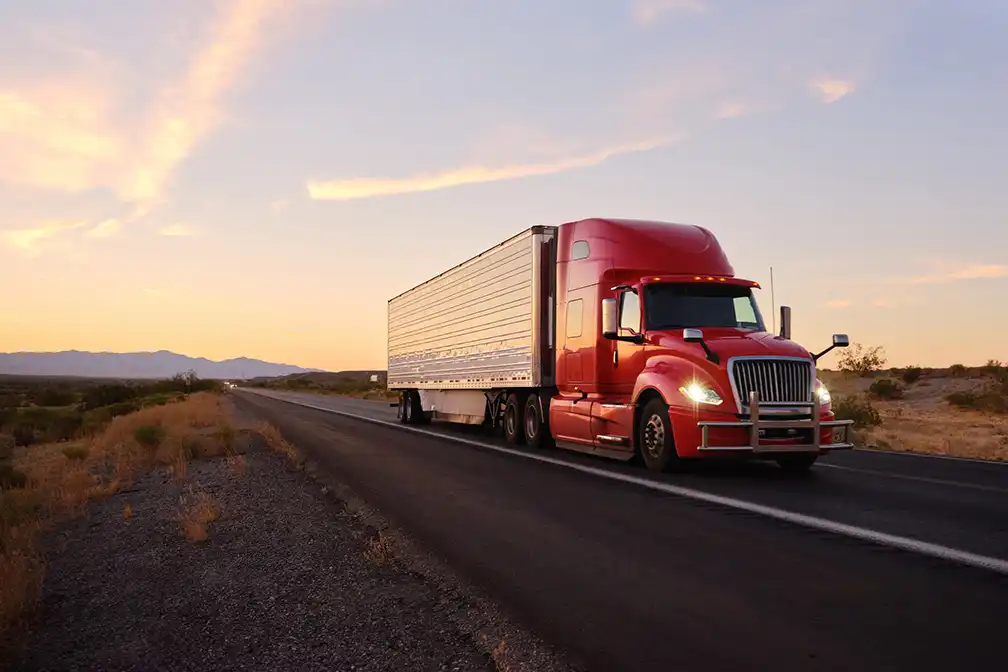
Senator Banks introduces “the Dalilah Law” targeting CDL eligibility
A new federal proposal known as the Dalilah Law has been introduced in the U.S. Senate, aiming to change how states issue and manage CDLs. The legislation was introduced on February 25, 2026, by Indiana Senator Jim Banks and focuses on truck driver eligibility requirements and state compliance tied to federal transportation funding. The proposal follows a call during the State of the Union address for legislation addressing CDL issuance and driver qualification standards.
What the Dalilah Law proposes
According to the official Senate press release, the Dalilah Law would require states to adopt several measures as a condition of receiving DOT funding.
Key provisions include:
Limiting CDL eligibility to U.S. citizens, lawful permanent residents, and certain work visa holders.
Revoking CDLs issued to individuals without qualifying immigration status or with temporary status, regardless of work authorization.
Requiring CDL knowledge and skills testing to be conducted in English only.
Mandating states to recertify all current CDL holders within 180 days of enactment, verifying eligibility, testing, and English proficiency.
Authorizing federal officials to withhold transportation funding from states that do not comply with the requirements.
The bill also includes potential lifetime disqualification from operating commercial motor vehicles for drivers found operating without required eligibility, unless they possess specific authorization.
Background Behind the Dalilah Law
The Dalilah Law is named after Dalilah Coleman, a child severely injured in a 2024 crash involving a commercial vehicle. The press release states that the incident involved a multi-vehicle collision that caused life-altering injuries and required extended hospitalization and rehabilitation.
The legislation’s introduction also referenced several other crashes involving commercial vehicles cited by the sponsor as part of the policy rationale.
Additional actions connected to the proposal
Alongside the legislation, Senator Banks announced other initiatives related to trucking oversight. These include:
A request for a federal investigation into potential “chameleon carrier” networks operating in Indiana.
The launch of a truck safety tipline is intended for reporting concerns about carrier practices or driver qualification issues.
The legislation itself, however, focuses primarily on CDL eligibility standards and state compliance measures.
Potential industry impact
If enacted, the proposal could affect multiple areas of trucking operations and licensing:
State licensing processes
States would need to verify immigration status, recertify existing CDL holders, and potentially revoke licenses that do not meet eligibility requirements.
Driver qualification and testing
English-language testing requirements could change how CDL exams are administered and evaluated.
Carrier compliance
Motor carriers may face additional verification responsibilities regarding driver eligibility, particularly during hiring or contracting driver onboarding.
Federal-state funding relationships
State transportation funding could be linked to compliance with CDL eligibility standards under the bill.
Legislative status of the Dalilah Law
The Dalilah Law has been introduced in the Senate and referred to the Senate Committee on Commerce, Science, and Transportation for consideration.
As with most federal legislation, the proposal would need to move through committee review, potential amendments, and votes in both chambers of Congress before becoming law.
Key takeaway
The Dalilah Law represents a federal proposal focused on CDL eligibility, driver verification, and state licensing requirements. The legislation aims to standardize certain licensing criteria nationwide and tie compliance to federal transportation funding.
Because the bill is still in the early legislative stage, its final provisions and implementation timeline remain subject to congressional review and potential changes.