dayileyvasNovember 17, 20263 Mins read270
Texas Opens New Routes for Oversize and Overweight Trucks
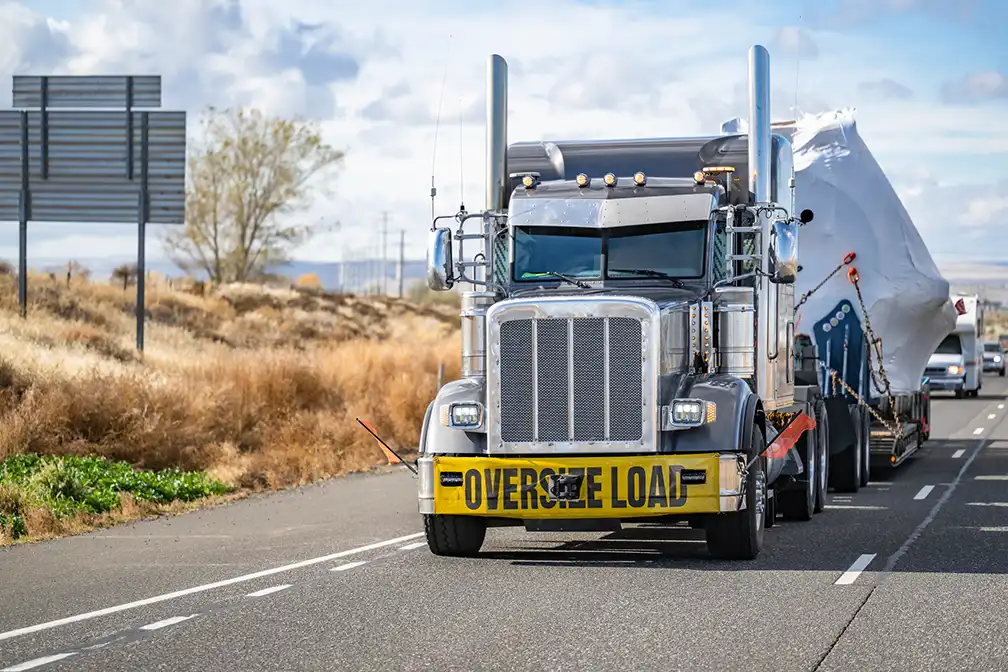
Oversize and overweight trucks now have additional routing options in Central Texas. The Texas Department of Transportation (TxDOT) launched a pilot program on November 12, 2026, allowing certain permitted commercial vehicles to travel on State Highway 130 (SH 130) and State Highway 45 Southeast (SH 45SE). The program provides an alternative to I-35, where ongoing construction and traffic congestion continue to affect travel through the Austin area.
New Routes for Oversize and Overweight Trucks
The pilot program covers all six segments of SH 130 and SH 45 Southeast. These toll roads provide an alternative route east of I-35. SH 130 connects I-35 near Georgetown with I-10 near Seguin, allowing commercial vehicles to bypass much of the Austin metropolitan area.
TxDOT introduced the program to address growing transportation demands in Central Texas. The agency also aims to reduce traffic bottlenecks by moving some heavy truck traffic away from I-35. The program comes as construction continues on major I-35 expansion projects.
Vehicle Size and Weight Restrictions
Not all oversize and overweight trucks qualify for the pilot program. According to the Texas Department of Motor Vehicles (TxDMV), participating vehicles and their loads must meet the following limits:
- Maximum width: 16 feet.
- Maximum height: 16 feet.
- Maximum gross weight: 254,300 pounds.
- Maximum gross weight when axle spacing is less than 95 feet: 200,000 pounds.
Superheavy vehicles are excluded from the program. Drivers must also follow the individual restrictions listed on their state-issued oversize or overweight permits.
Permit Approval Required Before Using the Routes
Motor carriers must receive routing approval before operating permitted oversize or overweight vehicles on either highway. When applying for a permit through the Texas Permitting and Routing Optimization System (TxPROS), carriers must request access to SH 130 or SH 45SE using the application’s Notes feature.
The TxDMV Motor Carrier Division will review each request and determine whether the vehicle qualifies for the requested route. Holding an existing oversize or overweight permit does not automatically authorize access to the new corridors.
Entrance and Exit Restrictions for Heavy-Haul Trucks
The pilot program limits where participating vehicles can enter and leave the approved highways. On SH 130 Segments 1–4 and SH 45SE, eligible trucks are generally restricted to the main travel lanes and specifically authorized ramps.
Designated access points include connections at Georgetown, Buda, Mustang Ridge, Lockhart, and Seguin, along with several state highways. Access through other ramps along the northern segments is prohibited. This includes connections to SH 45 North, U.S. 290, and SH 71. TxDOT has published a corridor map identifying approved access points, restricted roadways, and emergency truck pull-off locations.
Travel Curfews for Oversize and Overweight Trucks
Existing Austin-area travel curfews also apply to qualifying vehicles under the pilot program.
The restricted travel periods are:
- Morning: 7 a.m. to 9 a.m.
- Afternoon: 4 p.m. to 6 p.m.
These restrictions apply Monday through Friday. Drivers must follow the curfew requirements applicable to their vehicle dimensions and individual permits. The new routing options do not remove existing permit-related travel restrictions.
Toll Charges and Payment Requirements
Motor carriers are responsible for all toll charges incurred while traveling on the approved highways. Toll rates vary depending on the section of SH 130 being used.
Segments 1–4 do not impose additional toll rates specifically for oversize and overweight vehicles. However, permitted vehicles traveling on Segments 5 and 6 are classified as Class F and face higher toll rates than standard commercial trucks.
These southern segments are operated by the SH 130 Concession Company. An electronic toll tag is optional, although TxDOT recommends using one to receive discounted rates. Several toll tags from Texas and other states are accepted. Unpaid toll invoices may result in fines or enforcement action.
Other Austin-Area Toll Roads Remain Restricted
The pilot program does not extend to other toll roads in the Austin metropolitan area. Oversize and overweight vehicles participating in the program are authorized to use only the designated portions of SH 130 and SH 45SE.
Other toll roads managed by TxDOT or the Central Texas Regional Mobility Authority remain unavailable to these permitted vehicles. Law enforcement agencies will monitor commercial vehicle traffic along the approved corridors to ensure compliance with permit requirements.
Roadside Assistance Available Along SH 130
TxDOT has also provided roadside assistance information for drivers experiencing mechanical problems along the corridor. Drivers traveling between Georgetown and SH 45SE in Buda can contact Courtesy Patrol at 512-874-9102 for roadside safety assistance.
Those traveling between U.S. 183 and I-10 near Seguin can contact SH 130 Concession Company Roadside Assistance at 877-741-3089. The official corridor map identifies wide shoulder areas available for emergency truck pull-offs.
Texas to Evaluate the Pilot Program After Six Months
TxDOT plans to evaluate the pilot program after six months of operation. The agency will continue monitoring traffic conditions before determining whether to extend or modify the program. For heavy-haul drivers and carriers, the new routes provide additional options when planning permitted freight movements through Central Texas.
However, the potential benefits of avoiding I-35 congestion must be considered alongside toll expenses, travel curfews, and routing restrictions. The program remains limited to eligible oversize and overweight trucks operating with the appropriate state permits and routing approval.