Vincent ShakirMarch 11, 20252 Mins read1.2k
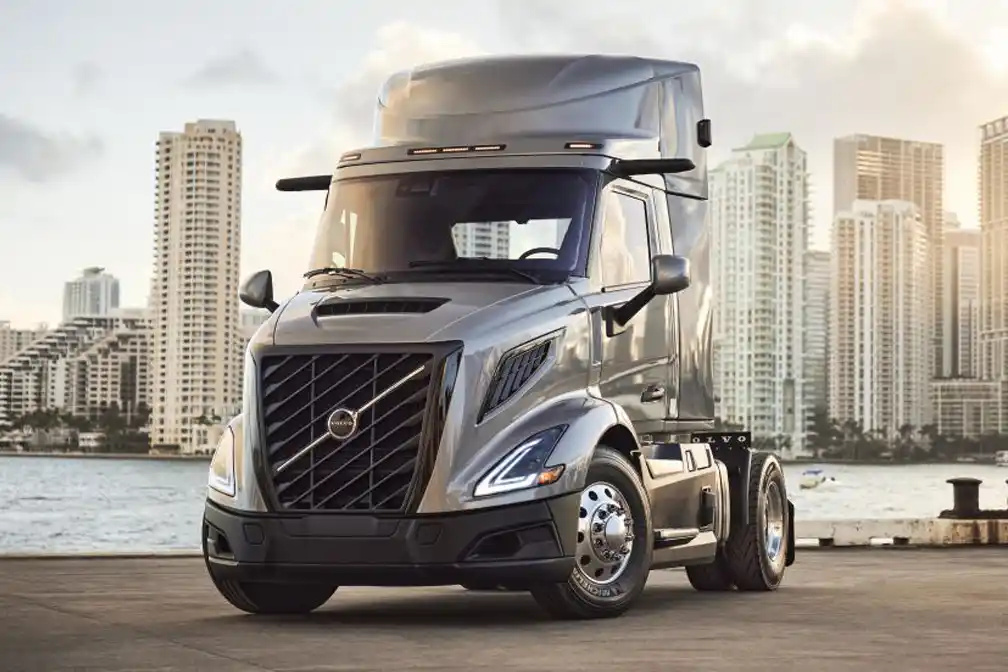
New Volvo VNR Unveiled for North America
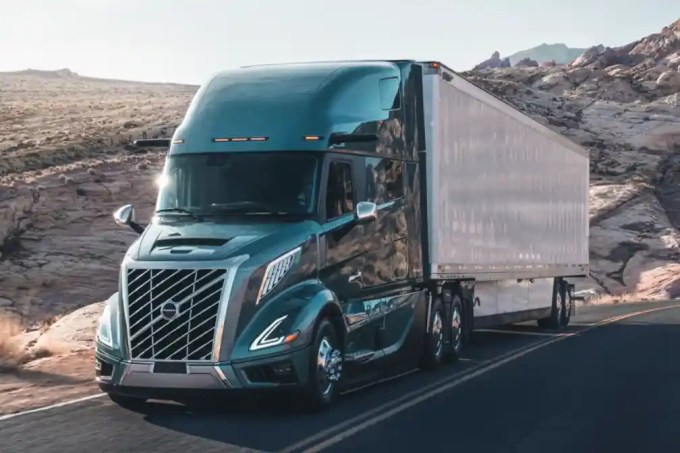
Volvo Trucks has introduced a redesigned version of its Volvo VNR. This new model is built for the North American regional haul market. It features improved fuel efficiency, enhanced safety, and greater versatility. Production will take place at Volvo’s New River Valley Plant in Dublin, Virginia. Sales are expected to begin in the coming months.
Improved Design and Fuel Efficiency
The new Volvo VNR has undergone major updates. About 90% of its design has changed compared to the previous version. Volvo has improved aerodynamics and upgraded the powertrain. These changes help reduce fuel consumption and CO2 emissions by up to 7.5%.
One of the key efficiency features is Eco-roll technology. This system allows the truck to disengage the driveline when traveling downhill. By coasting, the truck saves energy and improves fuel economy. The next-generation D13 VGT (Variable Geometry Turbo) engine, which comes standard in the VNR, also boosts fuel efficiency. It contributes to 3% of the total savings.
Advanced Safety Features
Volvo has equipped the new VNR with several advanced safety features. These include:
- Volvo Active Driver Assist – This system provides collision warnings, automatic emergency braking, and lane departure alerts.
- Side curtain airbags – Available for both the driver and passenger sides, these airbags add protection in case of a crash.
- Camera Monitor System – Instead of traditional side mirrors, this system uses aerodynamic cameras. These cameras provide better visibility for the driver, especially in high-traffic urban areas.
A Customizable Platform
Volvo designed the new VNR to support future propulsion technologies. The truck can accommodate battery-electric, fuel cell, and internal combustion engines. It is also compatible with renewable fuels, including hydrogen.
In addition, the truck includes a 24-volt electrical system. This upgrade makes the truck ready for fully autonomous vehicle technology in the future.
Volvo VNR Configurations for Different Fleet Needs
The Volvo VNR comes in multiple configurations to fit different trucking operations. These options include:
- Model VNR 300 – Compact for urban deliveries.
- Models VNR 400 & VNR 640 – Mid-sized versions for regional hauling.
- Model VNR 660 – The largest option, suited for longer regional hauls and added driver comfort.
Customers can also choose from 4×2, 6×2, and 6×4 tractor configurations. These options give fleets more flexibility based on their specific needs.
How Trucking Companies Can Use the New Volvo VNR
The new Volvo VNR is designed to fit into many types of trucking fleets. Its fuel efficiency, safety, and flexibility make it a strong option for regional haul and urban delivery operations.
For shorter trips and last-mile deliveries, the VNR 300 and VNR 400 are ideal. They are fuel-efficient and easy to maneuver in city traffic. The automatic braking system and camera mirrors help improve safety in crowded areas.
For longer regional hauls, the VNR 640 and VNR 660 offer more space and driver comfort. These models provide a good alternative to traditional long-haul trucks. They also serve as a transition option for companies planning to switch to electric or hydrogen-powered trucks in the future.
Fleets focused on sustainability may find the new VNR appealing. The fuel-saving features help reduce emissions and lower operating costs. The ability to upgrade to alternative fuel technologies also makes the truck a long-term investment.
Volvo VNR Production and Availability
Volvo Trucks will manufacture the new VNR at its New River Valley Plant in Dublin, Virginia. Sales will begin in the coming months.
With its improved fuel efficiency, advanced safety features, and future-ready technology, the Volvo VNR is set to be a top choice for regional haul fleets. Trucking companies looking to reduce costs and prepare for the future may find this model a valuable addition to their operations.