dayileyvasJuly 14, 20263 Mins read15
Washington Installs Over-Height Detection System After Bridge Incidents
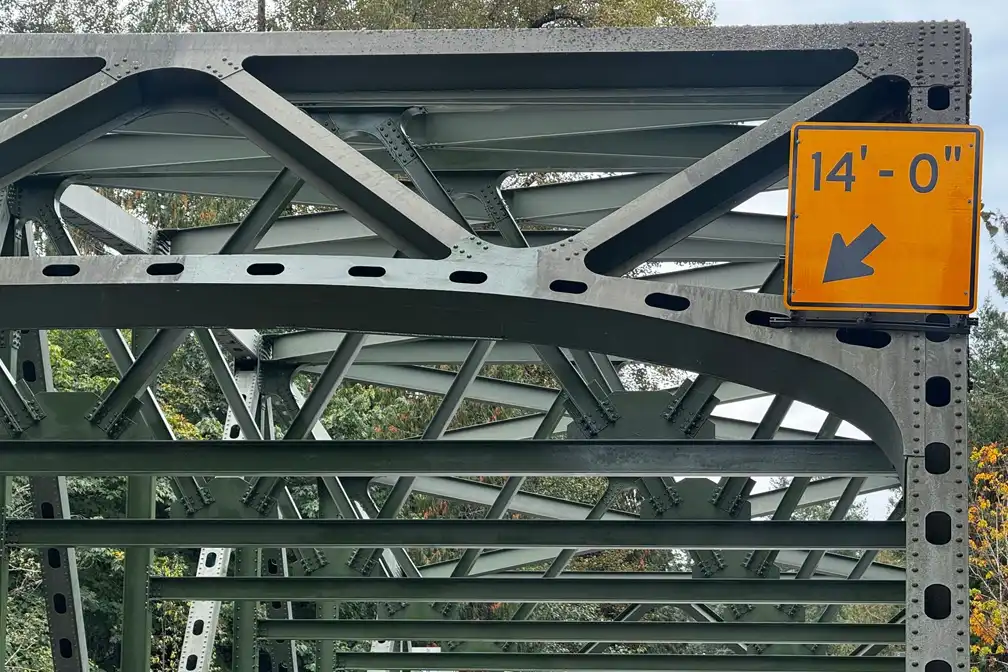
Washington State Department of Transportation (WSDOT) crews are installing a new over-height detection system on the White River Bridge along State Route 410 on July 13, following a series of over-height vehicle incidents that occurred during the summer and fall of 2025.
The agency expects the system to be fully operational by the end of July. Construction will take place Monday through Friday from 6 a.m. to 4 p.m. for several weeks. Both directions of SR 410 are expected to remain open during the work, although drivers should expect narrowed shoulders, shifted lanes, and construction activity near the roadway.
Why WSDOT Is Installing Over-Height Detection
According to WSDOT, the new over-height detection system is being installed in response to several over-height vehicle incidents at the White River Bridge during the summer and fall of 2025.
The most significant incident occurred on Aug. 18, 2025, when an over-height commercial vehicle struck several of the bridge’s overhead steel support beams.
Bridge engineers determined that multiple structural components had been compromised, forcing WSDOT to immediately close the bridge while repairs were planned. The White River Bridge, originally built in 1949, carries approximately 22,000 vehicles each day and serves as a key connection between south King County and north Pierce County.
Contractors spent nearly two months repairing the bridge before it reopened on Oct. 17, 2025. WSDOT estimated the emergency repair project would cost between $5 million and $6 million.
Later reports found the truck involved was transporting a raised water tank that had not been lowered before passing beneath the bridge.
The Bridge Has Been Hit Before
The 2025 collision was not the first time an over-height vehicle damaged the White River Bridge.
During a routine bridge inspection in April 2015, WSDOT discovered severe damage to one of the bridge’s overhead steel members that had been caused by an earlier over-height vehicle strike. The bridge closed for about a week while temporary repairs were completed and closed again in April 2016 so permanent repairs could be made.
Although WSDOT inspects the bridge every two years and determined it was in fair condition during its most recent inspection in April 2025, last August’s collision caused enough structural damage to require another emergency closure and major repairs.
How the Over-Height Detection System Works
Unlike traditional clearance signs that rely on drivers noticing posted height restrictions, the new over-height detection system actively measures approaching vehicles before they reach the bridge.
When an over-height vehicle is detected, the system automatically activates:
- Flashing warning beacons
- Electronic message signs
- Audible alerts
The warnings are intended to give drivers enough time to safely stop or turn around before reaching the bridge.
According to local reports, sensors will monitor traffic approaching from both directions.
Why Over-Height Detection Technology Matters
The White River Bridge demonstrates why transportation agencies are increasingly investing in over-height detection technology instead of relying solely on static clearance signs.
For bridges that carry tens of thousands of vehicles each day, a single over-height vehicle strike can lead to emergency inspections, multi-million-dollar repairs, extended highway closures, and major disruptions to freight traffic. By warning drivers before they reach a bridge, these systems are designed to help prevent those costly incidents before they occur.
Although most commercial drivers know the height of their equipment and plan routes accordingly, bridge strikes can still happen because of equipment left in a raised position, incorrect vehicle height information, route changes, or navigation systems that do not account for commercial vehicle restrictions.
As transportation agencies look for ways to reduce bridge strikes and protect critical infrastructure, over-height detection systems are becoming an additional safety measure that can help alert drivers before they reach low-clearance structures.
Bridge Strikes Have Prompted New Safety Measures
Washington’s new over-height detection system reflects a broader effort by transportation agencies to prevent costly bridge strikes before they happen.
In 2024, British Columbia introduced tougher penalties after a series of commercial vehicle bridge strikes, including an incident in which a truck from SGD Transport Ltd. struck a railway overpass on the Trans-Canada Highway in Langley. The collision marked the 19th commercial vehicle bridge strike in the province that year, prompting officials to suspend the company while the incident was investigated.
As part of its response, British Columbia strengthened enforcement by increasing fines for over-height vehicles, requiring warning devices on dump trucks that alert drivers when the dump box is raised, and expanding the use of over-height detection technology to warn drivers before they reach low-clearance structures.
Washington’s latest project follows a similar goal. Rather than relying solely on posted clearance signs, the new system will actively detect over-height vehicles and provide real-time warnings, helping drivers avoid bridge strikes that can result in costly repairs, lengthy road closures, and disruptions to freight movement.
Construction Expected Through July
Installation of the new over-height detection system is expected to continue for several weeks.
WSDOT said SR 410 will remain open during construction, but drivers should expect lane shifts, narrowed shoulders, and work crews near the White River Bridge until the system becomes operational later this month.