dayileyvasMay 14, 20263 Mins read437
$3 Billion Bridge Investment Plan Could Impact Trucking Routes
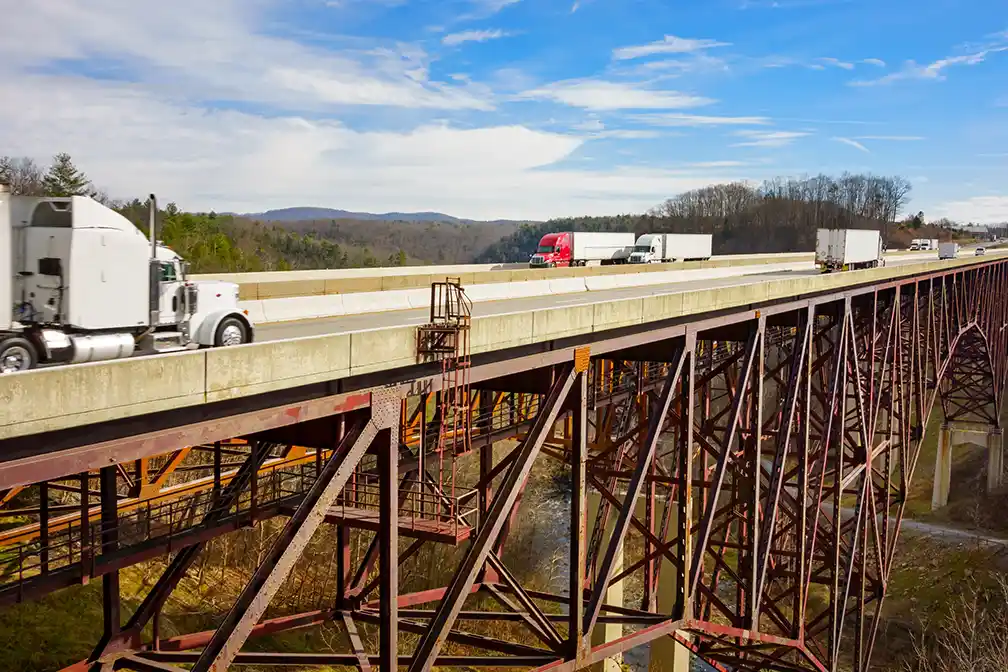
The U.S. Department of Transportation has announced a new plan that may direct $3 billion toward rebuilding and repairing aging bridges across the country. The effort, led by Sean P. Duffy, is part of a broader federal program that aims to improve infrastructure that supports freight movement. The funding will be distributed through the Federal Highway Administration (FHWA) under its Bridge Investment Program (BIP).
What the $3 Billion Bridge Investment Plan Includes
Federal officials say the funding will be made available to states through a grant process. These grants are expected to support both planning and construction-related projects tied to bridge infrastructure.
The agency outlined two main types of funding opportunities:
- Planning grants may support early-stage work such as feasibility studies, project planning, and cost analysis
- Bridge project grants may support repair, replacement, or preservation work for bridges with total costs of $100 million or less
According to the agency, the goal is to help states move forward with projects that may improve safety and traffic flow.
Application Deadlines for States
States and other eligible applicants will need to meet specific deadlines to be considered for funding.
- Planning grant applications are due by June 15, 2026
- Bridge project grant applications are due by June 29, 2026
The agency encourages applicants to submit projects that meet the program’s requirements as soon as possible. However, final decisions on funding will depend on how projects are evaluated under the program guidelines.
Focus on Aging Infrastructure
Federal officials say the funding is aimed at bridges that are already showing signs of wear or structural issues. Many of these bridges are part of key freight corridors used by commercial trucks.
The agency states that improving these structures may help reduce delays, detours, and weight restrictions that often affect trucking routes.
For truck drivers, aging bridges can create challenges such as:
- Restricted weight limits
- Unexpected detours
- Slower travel times
- Increased wear on equipment
If projects move forward, some of these issues may be addressed over time. However, construction activity could also lead to temporary disruptions in certain areas.
What This Could Mean for Truck Drivers
While the funding is directed at states, the trucking industry may still feel the effects of these investments.
If approved projects move forward, they may:
- Improve long-term route reliability
- Reduce bottlenecks on key freight corridors
- Increase safety on heavily traveled highways
At the same time, drivers may also see short-term impacts during construction phases. Work zones, lane closures, and rerouted traffic are common during large infrastructure projects.
Because of this, the timeline for improvements may vary depending on how quickly states begin and complete their projects.
Agency Goals and Industry Impact
Federal officials say the program is intended to help improve mobility and reliability across the transportation network. They also indicate that giving states more flexibility may help move projects forward faster.
However, as with many federal programs, the actual impact will depend on how states use the funding and which projects are selected.
The agency has stated that the program is focused on safety and efficiency. Still, results may vary depending on local conditions, funding decisions, and project timelines.
Bridge Investment Program Background
The FHWA created the BIP to address long-standing concerns about bridge conditions across the United States.
When bridges are in poor condition, they can slow down supply chains and increase costs for carriers.
The program is designed to support projects that may extend the life of bridges or replace structures that are no longer safe or efficient.
What Comes Next
The next phase of the program will depend on how states respond to the funding opportunity. Once applications are submitted, federal officials will review proposals and decide which projects receive funding.
If projects are approved, construction timelines could vary widely. Some projects may begin within months, while others could take longer to develop.
For now, the announcement signals a potential increase in infrastructure investment that may affect trucking routes, freight movement, and road conditions in the coming years.