Vincent ShakirMay 22, 20266 Mins read516
Marijuana Rescheduled: DOT Now Warning Truck Drivers
Marijuana Rescheduling May Confuse Truck Drivers
A recent federal marijuana action from the U.S. Department of Justice may cause confusion in the trucking industry.
The issue matters to commercial truck drivers, CDL applicants, owner-operators, motor carriers, and safety teams. It may be easy to think the federal rule has changed in a way that helps DOT-regulated drivers. However, the Department of Transportation says that is not the case.
On April 23, 2026, the Justice Department and the Drug Enforcement Administration announced a new order. The order dealt with certain marijuana products under the Controlled Substances Act.
DOJ said the order placed two types of products into Schedule III. The first type is FDA-approved drug products that contain marijuana. The second type is marijuana products that are regulated by a qualifying state medical marijuana license.
The Justice Department said the move was tied to President Trump’s December 18, 2025, Executive Order on Increasing Medical Marijuana and Cannabidiol Research. DOJ said the action was meant to expand access to approved treatment options. It was also meant to support state medical marijuana programs and help medical research.
DOJ also said DEA would begin a new hearing process on June 29, 2026. That process will look at the broader issue of moving marijuana from Schedule I to Schedule III under federal law.
But for truck drivers, the DOT notice is the key point.
DOT made clear that marijuana rescheduling does not mean DOT-regulated drivers can use state-licensed marijuana and avoid the result of a positive DOT drug test.
DOT Says a Marijuana Positive Still Counts
The DOT issued a May 2026 notice to explain how the rule applies to drug testing under 49 CFR Part 40.
The notice focused on a clear question. If an employee has a lab-reported marijuana positive drug test, can a Medical Review Officer mark the test as negative if the employee says the result came from a state-licensed marijuana product?
DOT’s answer was no.
DOT said there is currently no case where an MRO could verify a lab-confirmed marijuana positive drug test as negative when an employee claims the positive result came from a state-licensed marijuana product.
That is a major point for CDL drivers.
Commercial truck drivers in safety-sensitive jobs must follow federal drug and alcohol testing rules. State marijuana laws do not override those DOT rules.
That means a driver may live in a state where medical marijuana is legal. The driver may also have state paperwork that allows medical marijuana use under state law. But DOT says that does not allow an MRO to change a marijuana positive test to a negative result.
Marijuana Rescheduling Does Not Clear a DOT Test
DOT also explained what does not count as a valid medical reason for a positive DOT marijuana test.
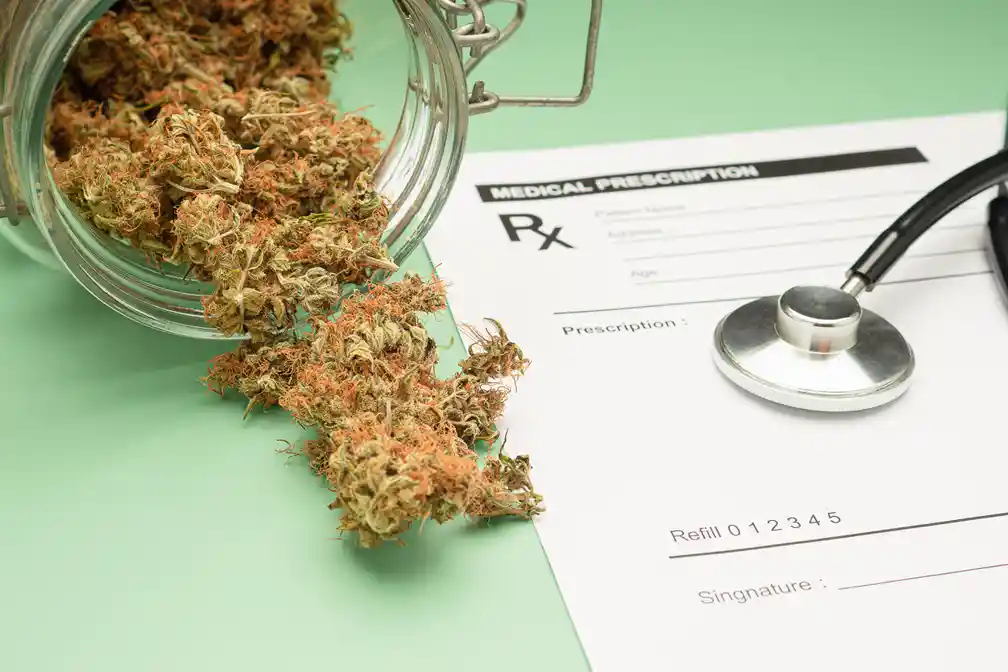
A state medical marijuana card does not count. A doctor’s recommendation does not count. A doctor’s certification does not count. Dispensary records do not count. Dispensary receipts do not count.
In simple terms, a driver cannot use those records to clear a DOT marijuana positive drug test.
DOT said a “legitimate medical explanation” must involve a legally prescribed controlled substance. It must also follow federal law. DOT cited 49 CFR §§ 40.137(a) and 40.141(b) in its notice.
DOT also said state-dispensed marijuana is not an FDA-approved drug. That remains true even after the marijuana rescheduling action.
Because it is not FDA-approved, DOT said it cannot be prescribed in a way that meets Part 40 rules.
This is the part many drivers may miss.
The DOJ action may change how some marijuana products are treated under federal law. But DOT says that does not create a medical marijuana defense for a DOT drug test.
What Marijuana Rescheduling Means for CDL Drivers
For commercial truck drivers, the bottom line is simple.
A state medical marijuana card does not protect a DOT-regulated driver from the result of a marijuana positive drug test.
This matters most for CDL drivers who live or work in states with medical marijuana programs. A driver may be allowed under state law to buy or use a state-licensed marijuana product. But that does not mean the same use is allowed under DOT drug testing rules.
DOT’s notice says marijuana use under state marijuana programs does not qualify as a legitimate medical explanation under 49 CFR § 40.137(a).
DOT also said marijuana use is not compatible with safety-sensitive functions.
For truck drivers, the risk remains serious.
A marijuana positive DOT drug test can affect a driver’s ability to perform safety-sensitive work. It can also affect hiring, job status, and compliance.
A driver who misunderstands this rule could face major career problems. That is especially true if the driver thinks marijuana rescheduling now protects state medical marijuana use.
DOT’s notice makes clear that it does not.
Why Owner-Operators Should Pay Attention
Owner-operators may face even more risk from this issue.
A failed DOT drug test can affect their ability to drive. It can also affect their business.
For a one-truck operation, any time away from driving can mean lost income. It may also create problems with contracts, freight opportunities, brokers, shippers, leasing companies, or motor carriers.
An owner-operator may hear that certain marijuana products have been moved to Schedule III. That could lead to the wrong idea that DOT rules have changed for truck drivers.
DOT’s notice says the rule remains strict.
State-licensed marijuana use still does not provide a valid medical explanation for a DOT marijuana positive test.
That means owner-operators should treat the DOT clarification as a compliance warning. The DOJ action may be important for medical research and state programs. But it does not remove the drug-testing risk for DOT-regulated drivers.
What Motor Carriers and Fleets Need to Know
Motor carriers, fleets, safety departments, and compliance teams may also need to address this issue.
The DOJ announcement could lead to confusion in the workplace. Some drivers may hear that marijuana rescheduling has moved certain products into Schedule III. They may then assume drug testing rules have changed.
DOT says they have not changed in that way.
An MRO still cannot verify a marijuana positive as negative based on state medical marijuana documents.
That means carriers may need to remind drivers about the difference between state law and DOT rules. This may be useful during driver orientation. It may also be useful during safety meetings, recruiting talks, policy reviews, and return-to-duty discussions.
The DOT notice gives carriers a clear point to share with drivers.
State medical marijuana program documents do not satisfy DOT’s rule for a legitimate medical explanation. That includes cards, doctor recommendations, certifications, and dispensary records.
CDL Applicants Could Be Affected Before Hiring
The clarification also matters for CDL applicants.
A driver who applies for a DOT-regulated job may need to take a pre-employment drug test. If that test is positive for marijuana, a state medical marijuana card will not allow the MRO to mark the test as negative.
That could affect new drivers trying to enter the industry. It could also affect drivers changing jobs. It may also affect drivers who are trying to return to trucking after time away.
Recruiters may need to explain this point clearly.
A CDL applicant may believe state medical marijuana use is allowed because it is legal in that driver’s state. But DOT testing rules are federal rules. For DOT-regulated driving jobs, the state medical marijuana explanation does not clear a marijuana positive test.
That is why the DOT notice is important for hiring.
It gives recruiters, carriers, and applicants a clear answer before a failed test creates a larger problem.
Broader Marijuana Rescheduling Review Is Still Moving
The DOJ announcement also started a new administrative hearing process.
That process will look at broader changes to marijuana’s federal status. DOJ said DEA will hold a new administrative hearing beginning June 29, 2026. The hearing will focus on the proposed rescheduling of marijuana.
DOJ also said DEA is withdrawing the prior notice of hearing. The agency is ending those earlier proceedings so it can move forward under a new process.
That broader federal review may continue to draw attention. It may also lead to more questions in trucking.
Still, DOT’s current message to safety-sensitive transportation workers is clear.
For truck drivers, the DOJ announcement does not mean state medical marijuana use is now accepted under DOT drug testing rules.
The Main Takeaway for Truck Drivers
The most important point for commercial truck drivers is that DOT drug testing rules remain strict.
The Justice Department’s action may change how certain marijuana products are classified under federal law. It may also support medical research. It may also give more support to state-regulated medical marijuana programs.
But DOT says the rule for safety-sensitive transportation workers has not changed in the way some drivers may think.
A DOT marijuana positive drug test cannot be changed to negative simply because the driver used a state-licensed marijuana product.
A medical marijuana card does not count as a legitimate medical explanation. A doctor recommendation does not count. A certification does not count. A dispensary receipt does not count. Dispensary records do not count.
For the trucking industry, the message is direct.
Marijuana rescheduling may change some parts of federal drug policy. But DOT-regulated truck drivers still face serious career and compliance risks from a marijuana positive drug test.