Vincent ShakirNovember 11, 20265 Mins read30
IMC Logistics: Building a Nationwide Freight Network
America’s supply chain depends on trucks, trains, ships, and warehouses. Each day, ships bring thousands of containers into U.S. ports. These containers carry goods such as clothing, food, electronics, and factory parts. Moving these goods from ports to stores takes careful planning and teamwork.
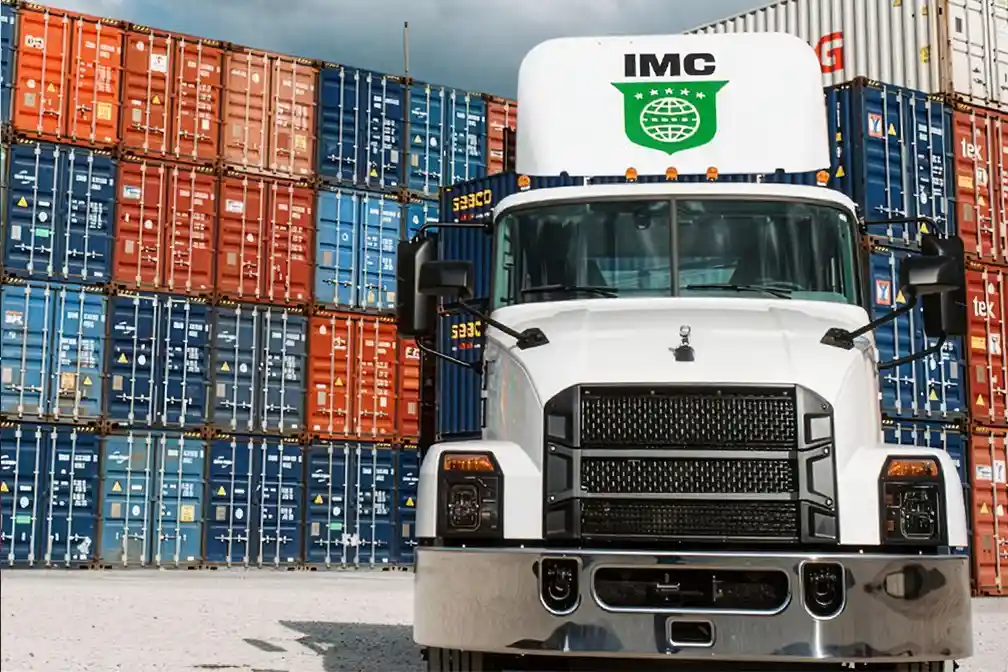
One key part of this process is called drayage. This means moving shipping containers short distances, often between ports, rail yards, and warehouses. IMC Logistics has built much of its business around this type of trucking. Based in Collierville, Tennessee, the company has grown from a small trucking business into a nationwide freight service provider.
From One Truck to a National Network
The company’s story began in 1982. Mark H. George and Melinda George started Intermodal Cartage with just one truck and one driver. Over time, the business grew by adding new services, buying other companies, and reaching new markets.
By 2022, the company had reached two major goals. It was marking 40 years in business after reaching $1 billion in sales the year before. It also opened a new 75,000-square-foot headquarters in Collierville. The building was designed to hold more than 375 workers.
In 2023, the company brought its brands together under the IMC Logistics name. The move gave its growing network one clear identity. It also reflected a shift taking place across the trucking industry. Many trucking companies now offer more than just moving freight from one place to another.
More Than Trucking: An Integrated Approach to Freight Transportation
Drayage remains a major part of IMC Logistics. However, the company also offers other services that help move freight through the supply chain. These include container storage, rail transport, cargo transfers, and support for special shipments.
The company also handles cross-border freight, heavy loads, and refrigerated cargo. It provides chassis, which are the wheeled frames used to carry shipping containers. These services allow customers to manage more parts of the shipping process through one company.
For example, a container may arrive at a port and need to be moved to a storage yard. The goods inside may then be moved into a trailer for delivery to a warehouse. Each step takes trucks, equipment, workers, and careful timing. If one step is delayed, the next step may also be affected.
By linking these services, IMC Logistics aims to make freight moves easier to manage. This can help customers avoid delays and reduce extra costs. It can also help when ports are crowded or shipping plans change with little warning.
Technology Helps IMC Logistics Improve Drayage
Technology has been part of the company’s growth for many years. According to IMC, it began building software for drayage in the early 1990s. The goal was to help manage truck trips, container moves, and daily work.
Today, the company uses GPS tracking, mobile apps, and other digital tools. These systems help staff track freight and plan truck moves. They also give customers more details about their shipments.
IMC uses several tools to support its daily work:
- IMCompass lets customers track active shipments.
- IMCDepot provides details about containers kept in storage.
- Power Direct helps with dispatch, load matching, and shipping records.
These tools can help solve a common problem in drayage. Drivers and customers need to know where containers are and when they are ready to move. Better information can help reduce delays, improve planning, and limit extra storage costs.
SmartStacks Helps Reduce Truck Wait Times
Another part of the company’s technology plan is SmartStacks. This system is designed to help trucks move containers more quickly. Instead of waiting for one assigned container, drivers can choose from loads that are ready to move.
According to IMC, SmartStacks has doubled driver productivity in some operations. The company also reports a 67% drop in driver idling time. These are company-reported results and have not been independently confirmed across the trucking industry.
Even so, the system shows how better planning may help reduce delays. Less waiting can allow drivers to complete more work during their shifts. Faster truck moves can also help ports and warehouses keep freight flowing.
Professional Drivers Remain Essential to IMC Logistics
Technology may help manage freight, but drivers remain a key part of the work. IMC Logistics hires Class A CDL drivers and owner-operators for its trucking network. Its recruiting materials highlight local routes, pay, newer equipment, and dispatch support.
Some jobs may also allow drivers to return home each day. This can appeal to those who want a more regular schedule. Unlike many long-haul routes, drayage work often takes place near ports, rail yards, and nearby cities.
Still, this type of trucking comes with its own challenges. Drivers may face long lines at ports, missed appointments, or delays in getting equipment. Freight demand can also change from week to week.
Digital tools can help with some of these issues. However, skilled drivers, safe trucks, and reliable dispatch teams remain vital. Without them, even the best freight network cannot run smoothly.
Sustainability and the Future of Freight Movement
Fuel costs and truck emissions are major concerns for the freight industry. This is especially true near busy ports and large cities. Trucks that spend less time idling can use less fuel and produce fewer emissions.
IMC Logistics includes cleaner freight transport among its services. The company has also shown interest in trucks that use other types of energy. One recent example involved a hydrogen-powered truck.
In October 2026, an IMC zero-emission hydrogen truck led the Formula 1 Drivers’ Parade at Circuit of the Americas in Austin, Texas. The company shared news of the event in November. The appearance showed one way this type of truck can be used.
However, a public event does not prove that hydrogen trucks are ready for widespread use in freight service. Truck costs, fuel supply, repairs, and daily work needs remain key concerns. Like other trucking companies, IMC must weigh these costs against any possible benefits.
Why the IMC Logistics Business Model Matters
The growth of IMC Logistics shows how much trucking has changed since 1982. In its early years, the company focused on moving freight by truck. Today, it helps manage many steps of the shipping process.
Customers now expect more than a truck and a driver. They often want shipment updates, access to equipment, storage options, and help with delivery plans. IMC has built its network to serve many of these needs.
However, a larger network also brings more demands. The company must manage costs, maintain trucks, hire drivers, and meet customer needs. Changes in trade and shipping can also affect how much freight moves through ports.
Drayage is closely tied to the amount of cargo entering and leaving the country. When imports slow, demand for container trucking may fall. When ports become busy, delays and equipment needs may rise. These changes make planning and flexibility important for companies such as IMC.
Looking Ahead: IMC Logistics and America’s Supply Chain
Ports, railroads, warehouses, and trucking companies all play a part in moving goods across America. When one part of the system slows down, the effects can spread to other locations. This makes good planning and clear communication more important than ever.
IMC Logistics has spent more than 40 years building a network that links these parts of the supply chain. Its services now go far beyond moving containers from ports. The company also uses technology, storage sites, and other freight services to help customers manage shipments.
Its growth from one truck and one driver shows how a small business can change with the industry. Yet its future will still depend on keeping costs under control and meeting customer needs. Skilled drivers, reliable equipment, and well-planned freight moves will remain central to that work.
The story of IMC Logistics also shows a larger truth about the trucking industry. Moving freight takes more than trucks and trailers. It takes people, equipment, planning, and strong links between each part of the supply chain.
About IMC Logistics
Founded in 1982 and based in Collierville, Tennessee, IMC Logistics provides marine drayage and freight services across North America. Its work includes intermodal trucking, container storage, cargo transfers, and special freight services.
Drive with IMC Logistics: https://www.tdndriverjobs.com/companies/imc-logistics
IMC Company Website: https://www.imcc.com/