dayileyvasAugust 14, 20252 Mins read1.1k
Trucking Industry Pushes EPA to Delay New NOₓ Rules
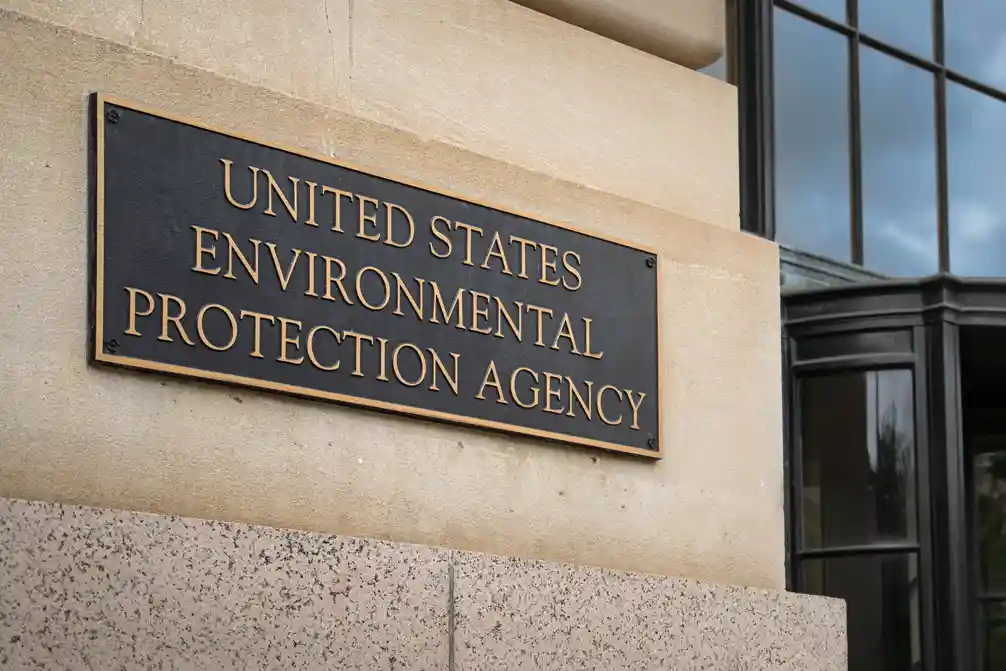
The trucking industry is urging the Environmental Protection Agency to delay its upcoming EPA NOx rule for heavy-duty trucks. NOx stands for nitrogen oxides, harmful gases that contribute to smog and respiratory problems. The American Trucking Associations (ATA) and several fleets have formally requested moving the start date from 2027 to 2031. They believe this change is needed to give the industry more time to prepare for new emission standards.
Why ATA Wants the EPA NOx Rule Delayed
The ATA says today’s trucks already produce 99% fewer nitrogen oxides and particulate emissions compared to older models. They argue the new EPA rule would add high compliance costs and technical challenges at a time when freight demand is weak and expenses are rising.
Industry leaders are also calling on the EPA to review several parts of the rule. These include the stringency of the standard, warranty requirements, and durability expectations. They want these adjustments finalized by the end of 2026 so manufacturers can adapt before the proposed 2031 deadline.
How the EPA NOx Rule Could Affect Truck Drivers
The NOx rule will not only impact fleets but also affect drivers directly. If the cost of building compliant trucks increases, operating expenses could rise across the industry. This might influence driver pay, equipment purchasing decisions, and the overall availability of affordable trucks. A delay could reduce financial strain and allow a smoother transition to the updated standards.
ATA Calls for a Fair and Practical EPA NOx Rule
The ATA says it supports cleaner air but wants the EPA NOx rule to be realistic and technology-neutral. They believe a single, achievable national standard will help the industry comply without harming business operations. Regulations, they argue, must balance environmental goals with the economic realities of trucking.
Current Timeline for the EPA NOx Rule
The EPA’s current plan would cut nitrogen oxide emissions by up to 90% by 2031. Under the existing schedule, the first phase of the EPA NOx rule would begin in 2027. Many in the trucking industry question whether the technology, infrastructure, and financial resources needed to meet the rule’s requirements will be ready in time.
What’s Next for the EPA NOx Rule
The EPA must now decide whether to grant the delay, revise parts of the regulation, or keep the current implementation date. Whatever the outcome, the EPA NOx rule will play a major role in shaping truck costs, equipment design, and operational strategies for years to come.