dayileyvasAugust 19, 20253 Mins read623

Truck Parking Crisis: Billions Lost Every Year
Every night, truck drivers across the U.S. face the same challenge: finding safe, legal truck parking. While the issue may seem small, what most don’t realize is just how much this shortage costs the industry. A new study released in August 2025 shows parking inefficiencies drain over $100 billion each year from trucking through wasted time, extra miles, and lost productivity.
The Scale of the Parking Shortage
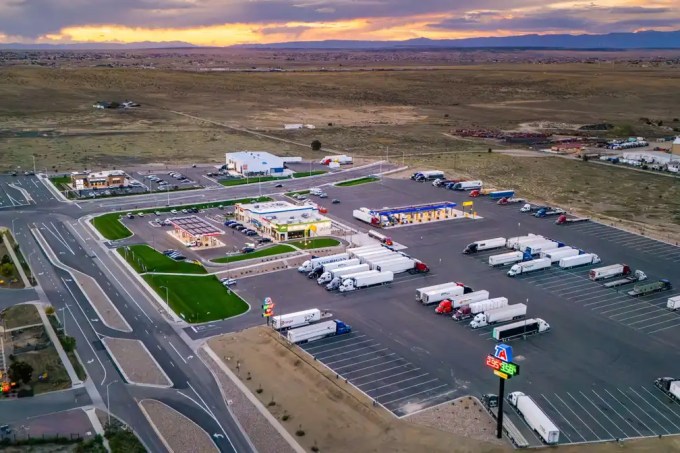
Every day, about 2.4 million trucks on U.S. highways need a legal place to park for the required 10-hour rest period. Yet the system provides only around 697,000 official spaces, leaving 1.7 million drivers — nearly 70% of trucks on the road — without reliable options.
The issue is not simply a lack of land. Research shows there are 23.4 million parking spaces nationwide that could accommodate heavy vehicles. However, 98% of these are private and reserved for dedicated fleets or facilities, while only 2% remain open to the general trucking industry. This limited access forces drivers into a nightly struggle for safe and convenient rest locations.
As a result, drivers often park on highway shoulders, exit ramps, or abandoned lots. These areas are not designed for rest and increase risks for drivers and motorists alike.
Why Truck Parking Shortages Cost So Much
The hidden cost comes from wasted time and lost productivity. Drivers spend close to an hour each day searching for truck parking. At an operating cost of $109 per hour, this wasted time translates into $105 per driver daily.
Parking in the wrong location adds even more to the problem. When a driver rests hours away from the next load, it can cost more than $200 in lost productivity. Extra miles and fuel burned while searching add another layer of expense. Altogether, the total can reach $380 each day, or about $17,000 every year per driver.
When the impact on individual drivers is multiplied across the entire trucking sector, the scale becomes overwhelming. The study shows that inefficiencies tied to truck parking result in:
- $37.7 billion every year from the extra miles driven while searching for available spaces
- $82 billion annually in lost productivity due to parking in less-than-ideal locations
Truck Parking Stress and Driver Retention
The shortage of truck parking also has human costs. The stress of not knowing where to stop is a major frustration for drivers. High turnover — with nearly 75% of drivers leaving jobs each year — often connects to quality-of-life issues like rest and safety. Each departure forces companies to spend thousands more on recruitment and training.
Federal and State Responses
Government agencies have recognized the scale of the truck parking problem. Recent federal infrastructure funding has included grants to expand parking capacity in multiple states. Several states, including Ohio, North Carolina, and Texas, have announced new projects aimed at building more rest area spaces and upgrading truck stop facilities.
However, the study notes that progress remains slow. Building new parking takes years of planning, land acquisition, and construction. In many cases, funding still falls short of what is needed to match the growth in freight activity.
Market Solutions for Truck Parking
Interestingly, the U.S. does not lack space overall. Millions of potential truck parking spots exist but remain locked away on private property, reserved for specific fleets. Unlocking even a small portion of that capacity could help solve the crisis.
Marketplace platforms are showing early success. These services connect drivers with property owners who have unused parking spaces. So far, they have added tens of thousands of new truck parking spots without building new facilities.
For drivers, paying a small fee for a guaranteed space is often far less costly than losing hundreds each day. For property owners, it creates a reliable new revenue stream.
Technology as the Key to Truck Parking
Technology is playing a central role in fixing the problem. Apps that show real-time truck parking availability cut down on wasted search time. Reservation systems also allow drivers to secure parking near their route, saving money and reducing stress.
Repair shops, storage facilities, and even retail businesses are now opening unused lots during off-hours. This trend provides safe, legal truck parking while turning idle space into a new source of income.
The Road Ahead for Truck Parking
Experts say solutions will likely come faster from technology and smarter use of existing land rather than massive infrastructure projects. Zoning updates, supply chain coordination, and targeted investment can also support progress.
For drivers, the issue of truck parking remains deeply personal, tied to safety, income, and quality of life. For the industry, it represents both a costly burden and a major opportunity. By addressing the shortage, trucking can cut waste, improve retention, and create real competitive advantages.