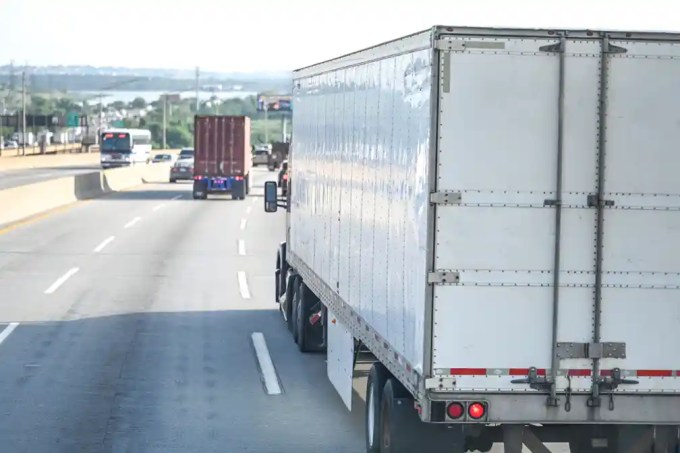
FMCSA Denies Waymo and Aurora’s Exemption Request for Warning Devices on Autonomous Trucks
The Federal Motor Carrier Safety Administration (FMCSA) has denied an application from Waymo LLC and Aurora Operations, Inc. The companies wanted to use a new type of warning device for their autonomous commercial trucks. FMCSA decided that the proposed warning devices did not meet safety requirements.
What Waymo and Aurora Asked For
Waymo and Aurora applied for an exemption to replace traditional warning devices with Cab-Mounted Warning Beacons. Current rules require drivers to place reflective triangles, flares, or other approved devices around a stopped truck. These devices alert other drivers that the truck is stopped.
Waymo and Aurora proposed using beacons mounted on the top of the truck cab instead. These beacons flash amber lights to warn oncoming traffic. The companies argued that their beacons could provide the same level of safety. They also said traditional warning devices are impractical for trucks without human drivers.
The exemption would have applied to trucks operating at Level 4 autonomy. These trucks either drive themselves without a human onboard or have a human present only for testing.
Why FMCSA Denied the Request
FMCSA said the application did not show that the new beacons would be as safe as the current rules. The agency had several concerns.
1. Not Enough Details About the Beacons
Waymo and Aurora did not provide enough information about the beacons. They gave general descriptions but allowed for a lot of flexibility in design and placement. FMCSA said this made it hard to evaluate the devices.
2. Limited Data to Prove Safety
The companies submitted studies to support their application. However, FMCSA found that the studies had problems:
- The studies included only a small number of tests.
- The results showed mixed performance compared to traditional warning triangles.
- The data did not clearly show how the beacons would work in real-world situations.
3. Broad Scope of the Request
The exemption would have applied to all companies operating autonomous trucks. FMCSA said this was too broad. It was unclear how safety could be ensured across different operators and vehicles.
4. Concerns About Visibility
FMCSA questioned how well the beacons would work on roads with curves or hills. Traditional warning devices can be placed farther away from the truck to improve visibility. Beacons, mounted on the truck cab, cannot be moved to adapt to these conditions.
5. Lack of Testing Across Conditions
The studies focused on specific locations and conditions. FMCSA said this left gaps in understanding how the devices would perform in other areas. There were questions about their effectiveness in different weather or terrains.
Public Comments on the Warning Devices Exemption Application
FMCSA received 51 public comments about the application. Opinions were split.
Supporters
Some trucking companies and industry groups supported the exemption. They said the beacons could improve safety by eliminating the need for human drivers to place warning devices. They also believed the exemption would help speed up the use of autonomous trucks.
Opponents
Safety groups, unions, and other commenters opposed the exemption. They said the beacons were not proven to be as effective as current warning devices. They also criticized the limited testing and lack of real-world data. Many urged FMCSA to prioritize safety over new technology.
FMCSA’s Final Decision
FMCSA said that safety is its top priority. The agency supports innovation, but only when it is backed by strong evidence. In this case, Waymo and Aurora did not provide enough proof that their beacons were as safe as the current standards.
FMCSA noted that the companies can resubmit their application. However, they will need to address the safety concerns outlined in the decision. FMCSA also encouraged continued research on new warning systems.
What This Means for the Trucking Industry
The decision shows the challenges of bringing new technology into trucking. For now, autonomous trucks must follow the same safety rules as traditional vehicles. Companies will need to keep testing and improving their systems to meet federal standards.
While this ruling may slow the adoption of autonomous trucks, it highlights the importance of safety. Future innovations could lead to updates in regulations, but only after thorough testing and review.
 Vincent ShakirDecember 26, 20243 Mins read1.5k